Current Legal Update

Kerala HC Cites Valmiki’s Transformation to Highlight Criminal Reformation

The article discusses the results of the case analyzed by the High Court on the issue of the constant and infamous designation of someone as a rowdy and the open disclosure of their criminal record. It throws some light on the reformation inclined focus of the court, the right to privacy of a citizen and the delicate position of police surveillance, which eventually decides to have the name of a petitioner off a rowdy list after a long history of well-behaved behavior.

CRIMINAL LAW

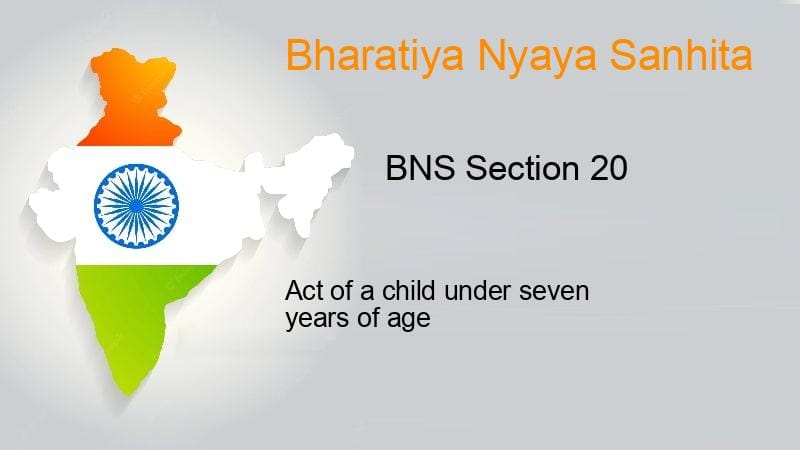
When a Child Below Seven Does Something Wrong: Understanding Section 20 of the Bharatiya Nyaya Sanhita, 2023

Section 20 of the Bharatiya Nyaya Sanhita, 2023, indicates that the Indian legal system is concerned about a child’s mental growth. It safeguards very young children from being unjustly punished for something they do not comprehend. Rather than punishment, care, guidance, and proper upbringing are emphasized. In this way, the law weighs justice against compassion, and urges society to treat such cases with compassion instead of punishment.

CRIMINAL LAW

Understanding Sections 9 and 10 of the Bhartiya Nyaya Sanhita, 2023

Sections 9 and 10 of the Bhartiya Nyaya Sanhita, 2023, provide that punishments should be just and proportionate. Section 9 avoids excessive punishment for offenses which are part of a single offense, so that an individual is punished for the composite offense and not for every component part. It also makes a distinction between offenses which are connected and offenses which are separate to provide fair sentencing. Section 10 offers relief against uncertainty so that an accused person is penalized for the lowest offense in situations of doubt. Such provisions secure justice by inhibiting harsh and unjust punishments, affirming that sentencing should be reasonable and well-balanced.

CRIMINAL LAW

Should Advocates Convicted of Contempt Be Allowed to Practice?

The issue of whether advocates convicted for contempt can be denied practice raises ethical and legal issues. Contempt of court erodes judicial authority, and the advocates, being officers of the court, are expected to maintain high standards of integrity. In India, the Advocates Act, 1961, authorizes Bar Councils to discipline advocates for misconduct, including convictions for contempt. Exclusion from practice could disproportionately punish reformable offenders, affecting their livelihood. Courts regularly weigh public confidence in the system against rehabilitation potential on a case-by-case basis. This tension is a reflection of professional privilege versus accountability tensions.