RSLSA Launches ‘Transformative Tuesdays’ Campaign; Legal Awareness Drive Targets Lakhs Of Students
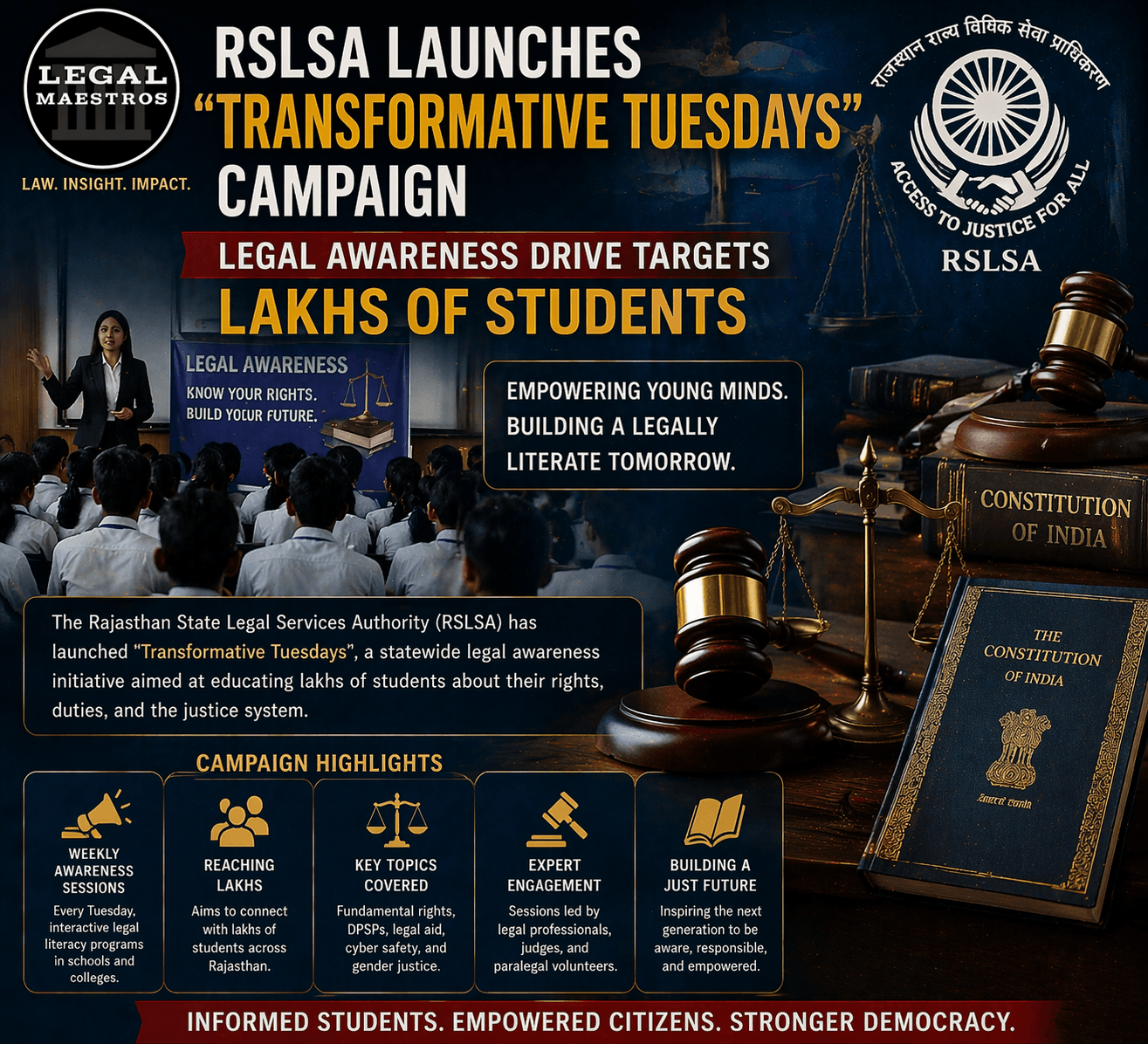
The Rajasthan State Legal Services Authority, which is the RSLSA has started something new. It is called the “Transformative Tuesdays”…
Keeping Pace with Legal Change
The Rajasthan State Legal Services Authority, which is the RSLSA has started something new. It is called the “Transformative Tuesdays”…
It was a crucial criminal appeal case (Criminal Appeal No. 2695 of 2025) considered by the Supreme Court of India…
Severe admonition by high courts against judicial officers This is not the first time that the Supreme Court of India…
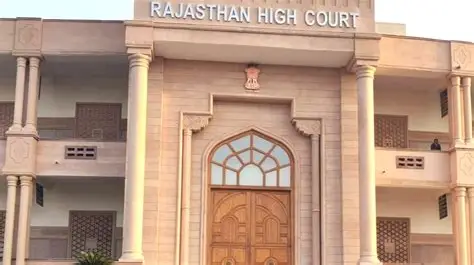
On July 1, 2025, the Rajasthan High Court—which was established by Justice Anoop Kumar Dhand—provide a important ruling stressing on…
NLU Jodhpur maintains a 25% domicile quota for Rajasthan students for 2025 admissions, upheld by the High Court. This reservation, common among NLUs, aims to balance national excellence with local educational access, impacting CLAT cutoffs significantly for in-state and out-of-state candidates.
In 1998, Salman Khan illegally hunted and killed two Schedule I blackbucks, contravening Section 9’s absolute hunting ban and attracting up to three years’ imprisonment or fines under Section 51.
The state of Rajasthan has emerged as a climate hotspot, with heatwaves intensifying both in frequency and severity over the past decade. Temperatures exceeding 45°C have become alarmingly common, placing immense pressure on public health systems, water resources, and vulnerable communities. Despite the gravity of the crisis, India’s environmental legal framework has struggled to evolve from a conservation-centric approach to one that adequately addresses climate adaptation and resilience.
At the constitutional level, Article 21—the right to life—has been interpreted by Indian courts to include the right to a clean and healthy environment. Yet, in practice, the application of this right in the context of climate-induced disasters remains limited and inconsistent. While Article 48A of the Directive Principles of State Policy calls for the protection and improvement of the environment, and Article 51A(g) places a duty on citizens to safeguard natural resources, there is a notable absence of enforceable mechanisms that translate these provisions into meaningful climate action, especially at the state level.
This gap is particularly evident in Rajasthan, where legal mandates and disaster management policies remain fragmented and reactive rather than preventive or adaptive. State action has often been guided by short-term relief measures rather than long-term climate resilience planning. Moreover, the lack of climate-specific legislation results in an over-reliance on generic environmental laws and judicial activism, which, while valuable, cannot substitute for a coherent statutory framework.
This excerpt lays the groundwork for a deeper analysis of how constitutional principles and environmental statutes can and must evolve to meet the unprecedented challenges posed by climate change in India’s most vulnerable regions.
This abstract analyzes the procedural system and fee regimen for probate and letters of administration under Sections 50 and 51 of the Rajasthan Court Fees and Suits Valuation Act, 1961. Section 50 deals with the process of application, with fees in proportion to the value of the estate to authenticate wills or administer estates. Section 51 deals with methods of calculating fees, to ensure uniformity in judicial procedures. The analysis highlights their function of providing legal succession, applicant duties, and fee transparency in Rajasthan, with reference to practical and statutory aspects.
This abstract explores suit valuation and objections under the Rajasthan Court Fees and Suits Valuation Act, 1961, specifically Sections 48 and 49. Section 48 authorizes courts to fix the proper valuation of suits where there is a dispute, providing for proper fee determination. Section 49 provides for objections to valuation or jurisdiction by parties, ensuring procedural fairness. The critique is marked by highlighting their part in upholding judicial integrity, avoiding under- or over-valuation, and resolving litigant complaints in the legal system of Rajasthan, with a focus on statutory directives and practical realities.
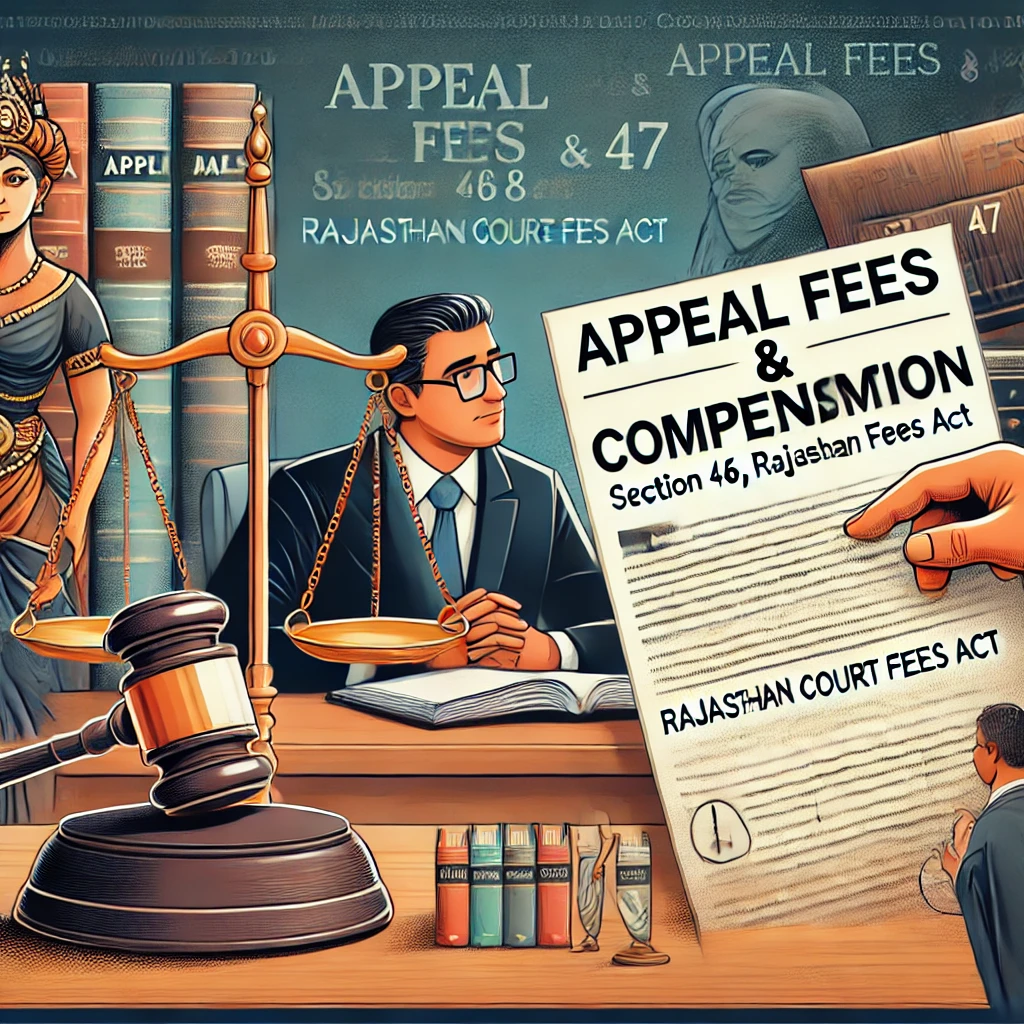
This abstract discusses appeal fees and compensation orders under the Rajasthan Court Fees and Suits Valuation Act, 1961, with emphasis on Sections 46 and 47. Section 46 lays down fees for filing appeals, based on the value of the subject matter or relief claimed, to provide equal access to appellate courts. Section 47 of fees and procedure regarding compensation orders is relevant for matters such as land acquisition or compensation for damage, where equity ensures cost reasonable apportionment. Their study provides implications regarding Rajasthan’s litigants by pointing out provisions of the statutes, fee levies, and efficiency of adjudications in disputations.