Current Legal Update

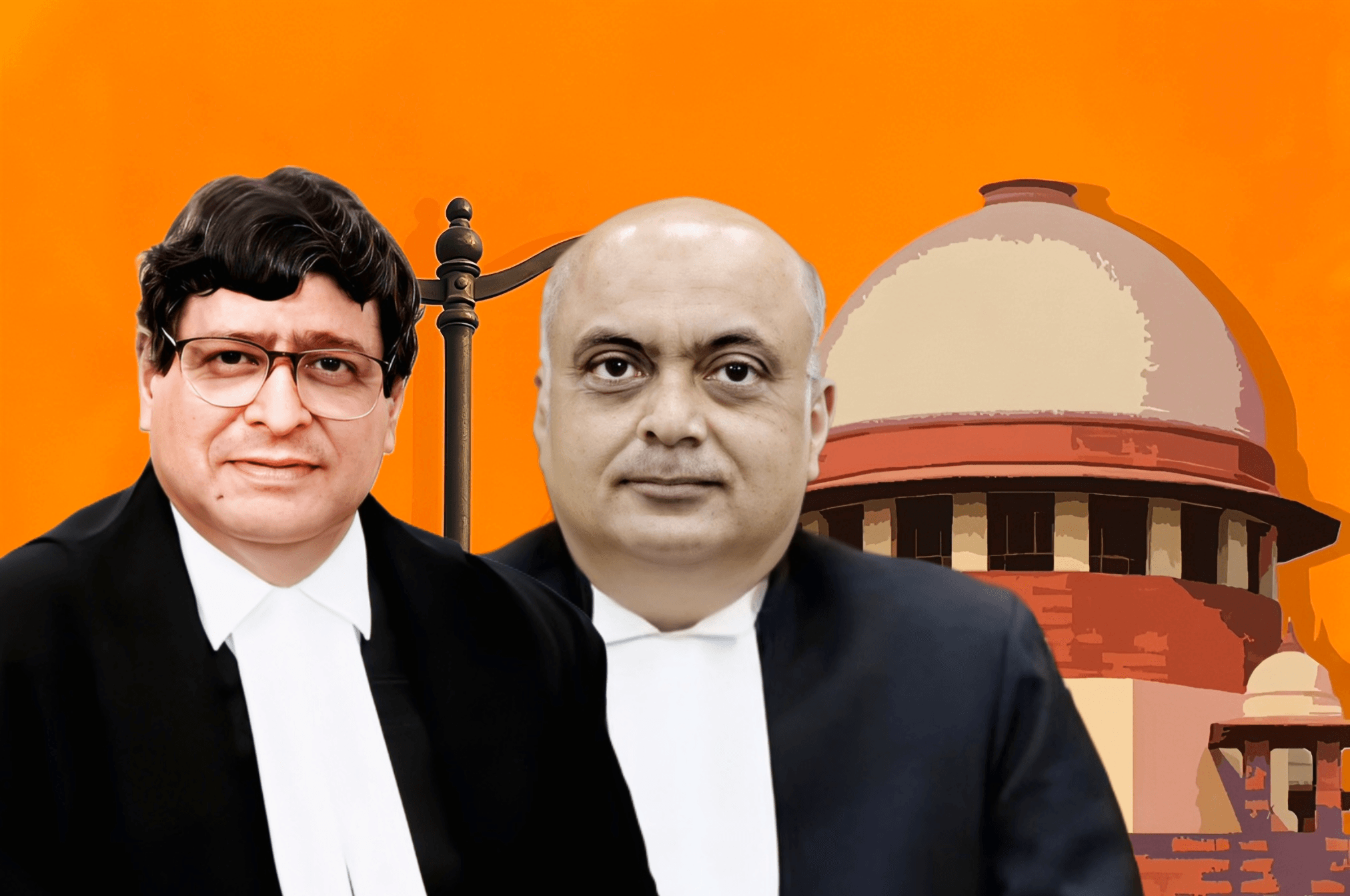
Supreme Court Bench of Justices Pankaj Mithal and S.V.N. Bhatti Clarifies Deemed Tenancy under Bombay Rent Act Cannot Be Claimed from Business Conducting Agreements

The Supreme Court, comprising Justices Pankaj Mithal and S.V.N. Bhatti, clarified that deemed tenancy under the Bombay Rent Act cannot be claimed from business conducting agreements. The ruling emphasizes distinct contractual intent, protecting property owners and ensuring clarity in commercial lease disputes.

Current Legal Update

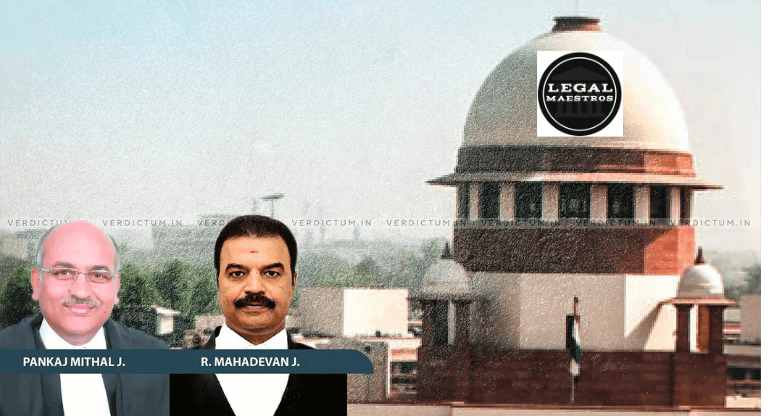
Supreme Court Bench of Justices Rajesh Bindal and N. Kotiswar Singh Upholds Validity of 1967 Gift Deed, Rejects Retrospective Application of Benami Law

The Supreme Court, comprising Justices Rajesh Bindal and N. Kotiswar Singh, upheld the validity of a 1967 gift deed, rejecting the retrospective application of the Benami Transactions (Prohibition) Act. The ruling clarifies that pre-1988 transactions are exempt, prioritizing legal clarity and property rights.

Current Legal Update

Flood Damage Under Consumer Law: A Supreme Court Clarification

This paper examines a recent U.S. Supreme Court ruling clarifying consumer rights in flood damage cases under consumer law. The decision addresses liability for property damage caused by state actions, emphasizing the Fifth Amendment’s Takings Clause and state law remedies. It enables affected consumers, like Texas landowners, to seek compensation for flood-related losses due to government infrastructure projects. The ruling highlights the balance between public projects and private property rights, offering a framework for future litigation. It underscores the importance of clear legal pathways for consumers seeking redress.

Current Legal Update

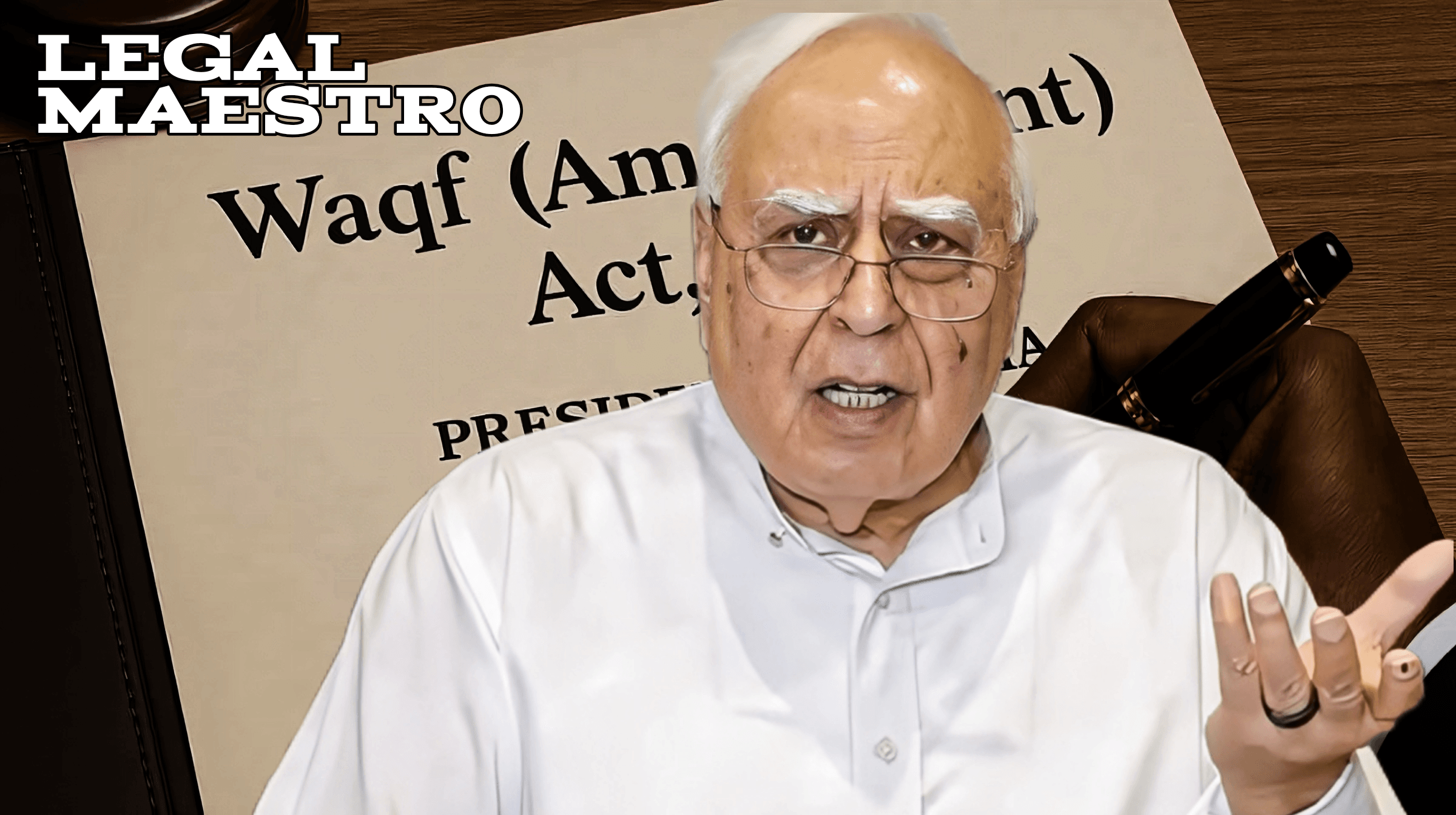
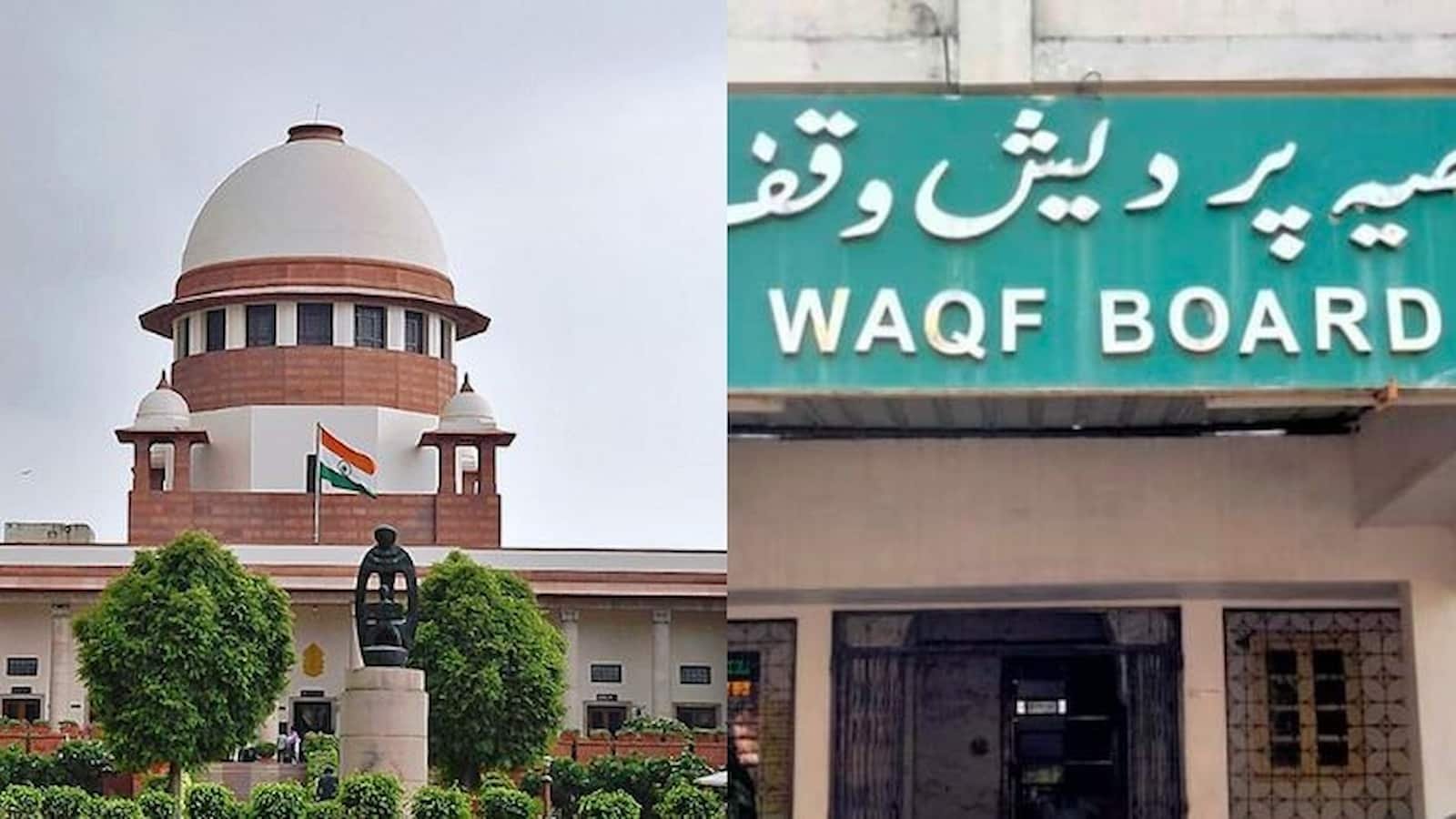
Supreme Court to Decide Fate of Waqf Amendment Provisions

The Waqf (Amendment) Bill, 2024, has set off a multifaceted debate at the confluence of law, religion, and administration. While the government’s intention is to increase transparency and efficiency, the suggested modifications have caused widespread concern among Muslim organizations and legal professionals regarding autonomy and minority rights. While the Supreme Court weighs the provisions of the bill, its judgment will not just decide the destiny of waqf administration in India but will also establish a pivotal precedent in the state’s relationship with religious institutions.

Current Legal Update

Can the Supreme Court Strike Down the Waqf Amendment Act? A Constitutional Analysis of Religious and Property Rights

To summarize, the issue of whether the Supreme Court can invalidate the Waqf Amendment Act is a complicated constitutional issue relating to how to balance the interests of the state against safeguarding religious and property rights. The Act was intended to modernize the management of waqf properties by instituting more transparency and accountability but has created issues around state overstepping and intrusion into religious affairs. The Supreme Court, with its judicial review power, is responsible for ensuring that the legislature’s enactment of any law is consistent with the Constitution. This implies that if the Waqf Amendment Act violates constitutional protections of religious freedom and equal property rights, the Court has the jurisdiction to strike down those provisions.