Law Notes

Understanding Suit Valuation and Objections in Rajasthan (Section 48 & 49)

This abstract explores suit valuation and objections under the Rajasthan Court Fees and Suits Valuation Act, 1961, specifically Sections 48 and 49. Section 48 authorizes courts to fix the proper valuation of suits where there is a dispute, providing for proper fee determination. Section 49 provides for objections to valuation or jurisdiction by parties, ensuring procedural fairness. The critique is marked by highlighting their part in upholding judicial integrity, avoiding under- or over-valuation, and resolving litigant complaints in the legal system of Rajasthan, with a focus on statutory directives and practical realities.

Uncategorized

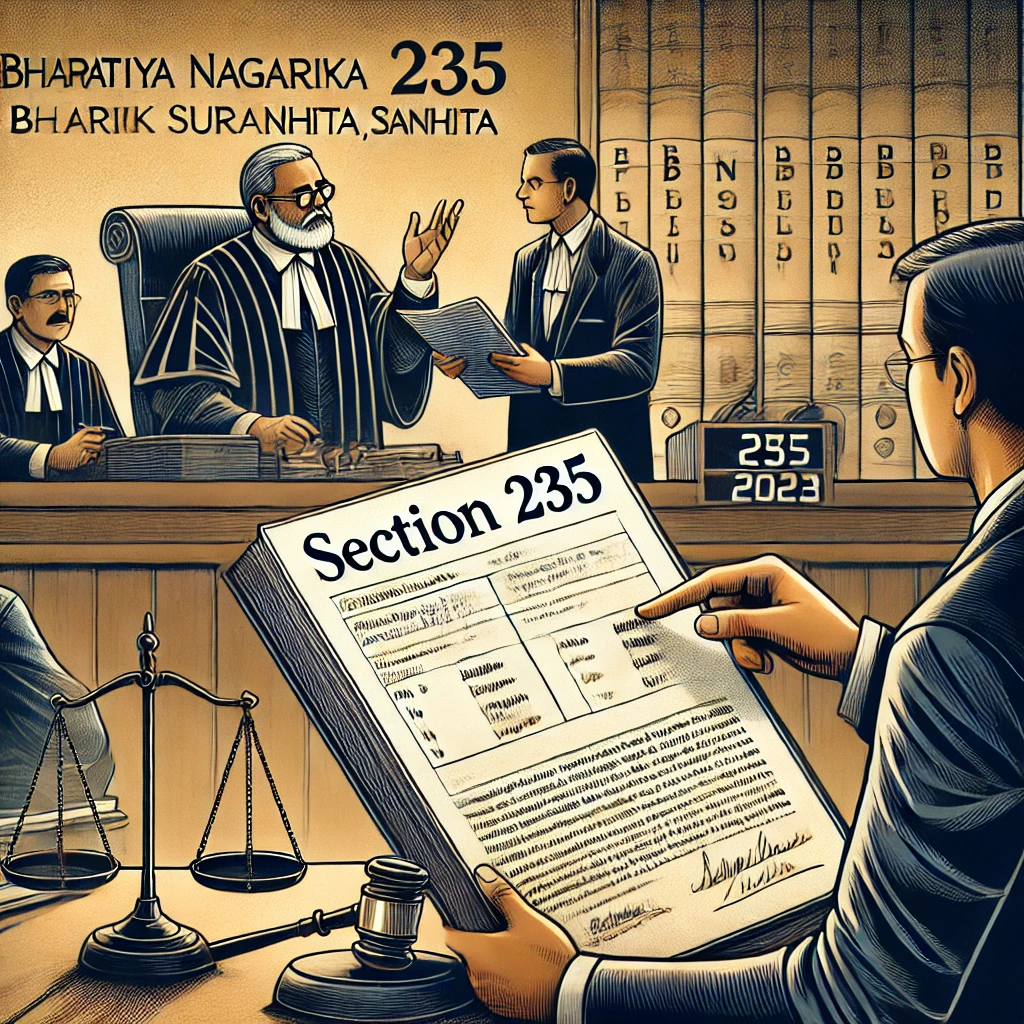
Understanding Section 235 of the Bharatiya Nagarik Suraksha Sanhita, 2023: Specifics of Time, Place, and Person in Criminal Charges

Section 235 of the Bharatiya Nagarik Suraksha Sanhita (BNSS), 2023, requires criminal charges to detail the time, location, and individual involved in an offence, superseding vague expressions under the CrPC, 1973. This section provides clarity in allegations, allowing the accused to present a proper defense while increasing judicial clarity. By mandating these details, Section 235 minimizes misinterpretation, discourages frivolous litigation, and enhances procedural fairness. It indicates a movement towards openness and accountability within India’s criminal justice system, bringing legal procedures in line with modern standards.

CRIMINAL LAW

Understanding Section 230 of the Bharatiya Nagarik Suraksha Sanhita, 2023: The Right to Copies of Documents in Criminal Proceedings

Section 230 of the Bharatiya Nagarik Suraksha Sanhita, 2023, provides for the right of an accused individual to receive copies of relevant documents in a criminal case. The provision supports the postulates of natural justice and fair trial by facilitating access to police reports, charge sheets, statements of witnesses, and other vital documents. Section 230 secures transparency, empowering the defense side to prepare suitably, avoiding unwarranted prejudice. This reform is consistent with constitutional protections under Article 21, which prioritizes procedural justice. The provision modernizes access to the law, minimizing procedural delays and reaffirming an accused person’s right to a fair defense.