Allahabad High Court Declines to Quash Case on observations about BJP-controlled states and constitution.
Introduction Recently, the Allahabad High Court denied the quashing of a criminal case against a man who was accused of…
Keeping Pace with Legal Change
Introduction Recently, the Allahabad High Court denied the quashing of a criminal case against a man who was accused of…
Justice Milind N. Jadhav of the Bombay High Court declined an application of his recusal, in a case of an…
Petition by TV Today Network Limited to quash proceedings against it such as an order to file a non-cognizable offence,…
This paper narrates the spy case of Jyoti Malhotra, especially on how she has had her judicial remand extended time and again. It gives an account of her arrest, her charges of meeting with the Pakistani intelligence, the legality of the detention and gives an overview of the case being brought against her, as it is.
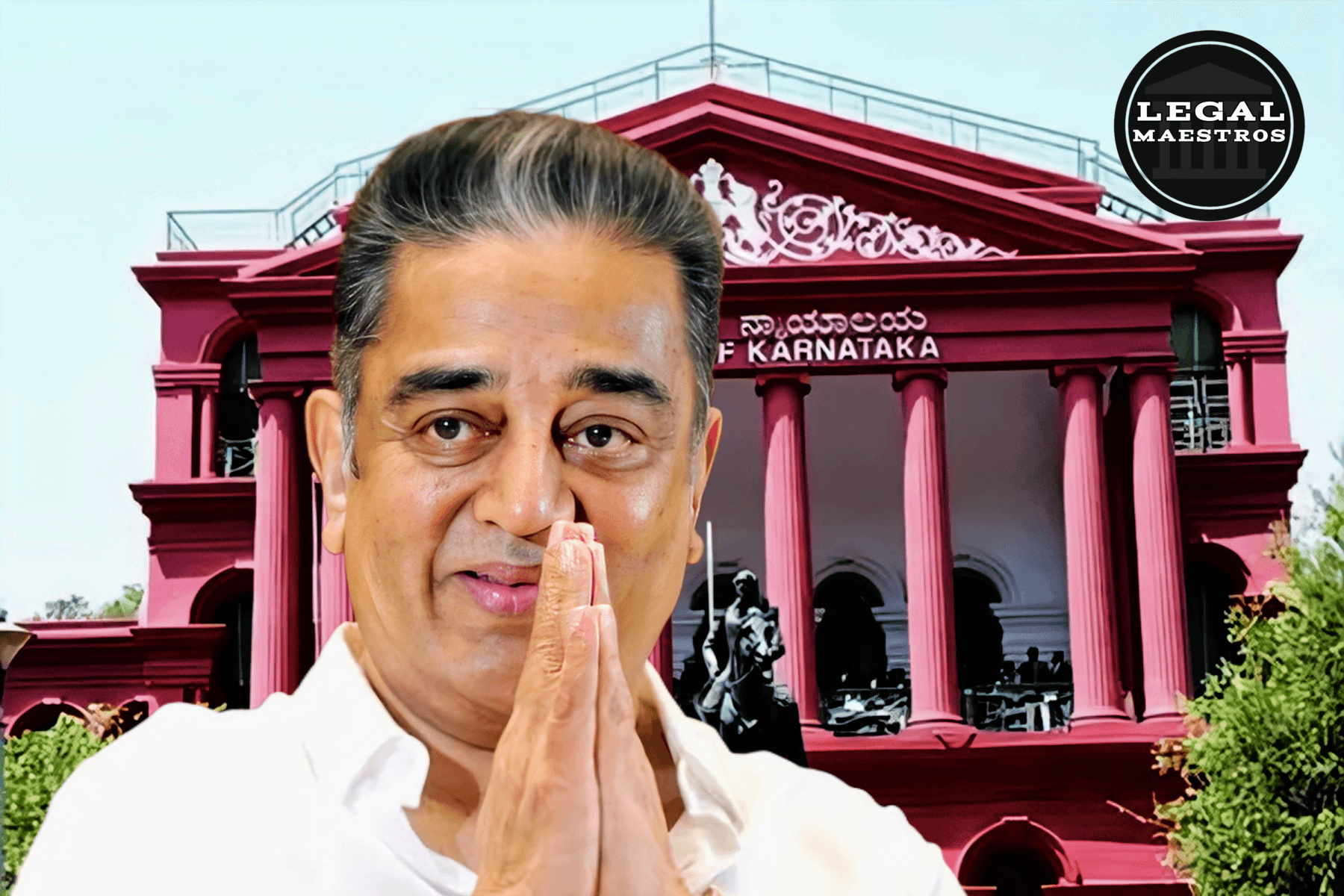
The article goes into discussing an interim injunction by the Bengaluru court against Kamal Haasan, preventing him from making anti-Kannada statements that allege superiority, or defame its culture. This order, extended until August 30, 2025, was sought by Kannada Sahitya Parishattu on behalf of the Kannadigas.
On a petition by Ananth Kumar Hegde, a former Union Minister and Karnataka state BJP President, the High Court of Karnataka has stayed coercive action pursuant to a road rage case against him. The order has given short-term relief at a time when there is a legal case against the assault and abuse of power claims.
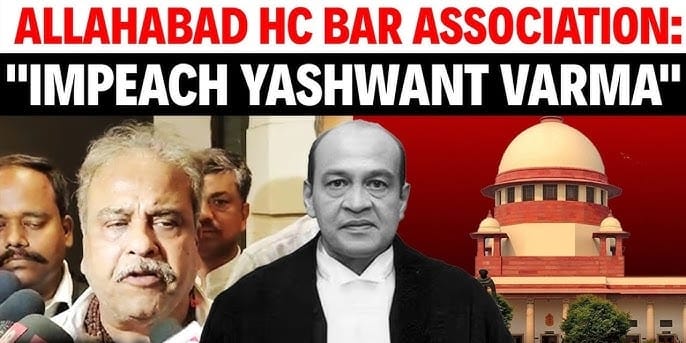
On March 14, 2025, a fire at Justice Yashwant Varma’s Delhi residence revealed burnt currency notes, prompting a Supreme Court inquiry. The CJI formed a three-member panel to investigate, amid Varma’s denial and past links to the 2018 Simbhaoli Sugar Mill fraud. His transfer to Allahabad High Court remains independent.
The Bharatiya Nagarik Suraksha Sanhita (BNSS), 2023, rewrites the initiation of proceedings in India in place of the Criminal Procedure Code, 1973. Sections 190 to 199 provide that proceedings start with a complaint, FIR, or magistrate’s cognizance, with a focus on accessibility and efficiency. The BNSS allows for electronic filing of complaint and evidence, bringing access to justice into the digital age. Magistrates may issue summons or warrants on the basis of preliminary inquiries, with victim participation provisions. These reforms seek to minimize delays, increase transparency, and keep pace with digital progress, guaranteeing a responsive criminal justice system.