90-Year-Old Doctor Moves Bombay High Court to Adopt Caretaker as Son
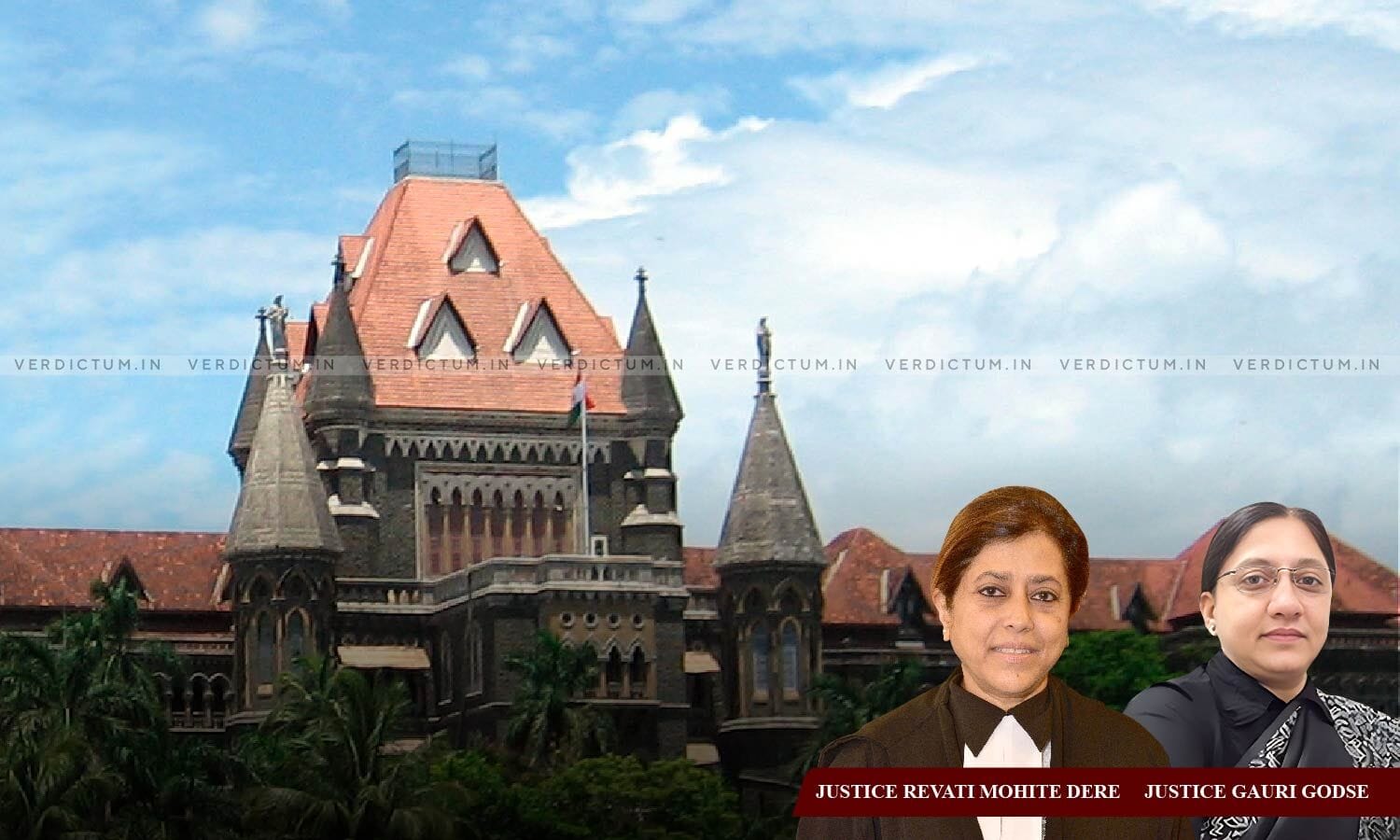
Introduction The Bombay High Court has been presented with a special and touching case in which a 90 year old…
Keeping Pace with Legal Change
Introduction The Bombay High Court has been presented with a special and touching case in which a 90 year old…
In N Wakia Afrin v. National Insurance Co Ltd., which concerns whether there is the possibility of filing claims by…
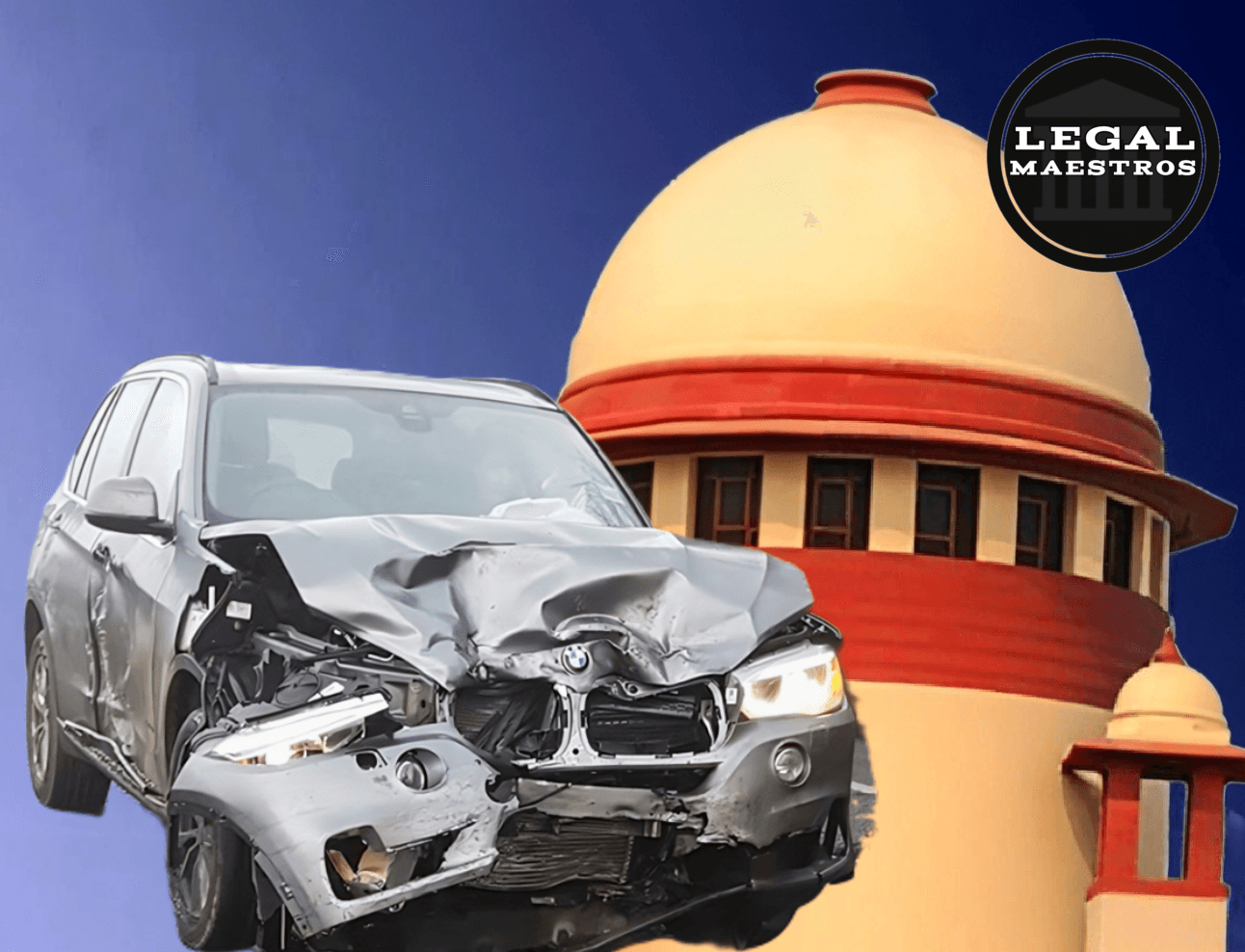
Recently, the Supreme Court of India passed an important verdict in a matter of Ram Charan & Ors. v. Sukhram…
According to a decision by the Supreme Court, the legal heirs can not demand insurance in case of death caused by rash driving of the deceased. This choice solidifies individual responsibility, blocks the possibility of generating revenue out of a wrong as well as encourages responsible driving, which affects the insurance policy holders and the scrutiny of insurance claims, as well.
In G Nagarathna Vs. G Manjunatha, the Supreme Court held that legal heirs of a driver who died as a result of his own rash and negligent driving could not claim compensation under the Motor Vehicles Act. The Court confirmed orders of the Tribunal and Karnataka High Court, placing reliance upon precedents which rule out the possibility of one deriving benefit from one’s own wrong. The ruling makes it clear that insurance firms are not responsible in such situations and supports fundamental tort law and public policy tenets.
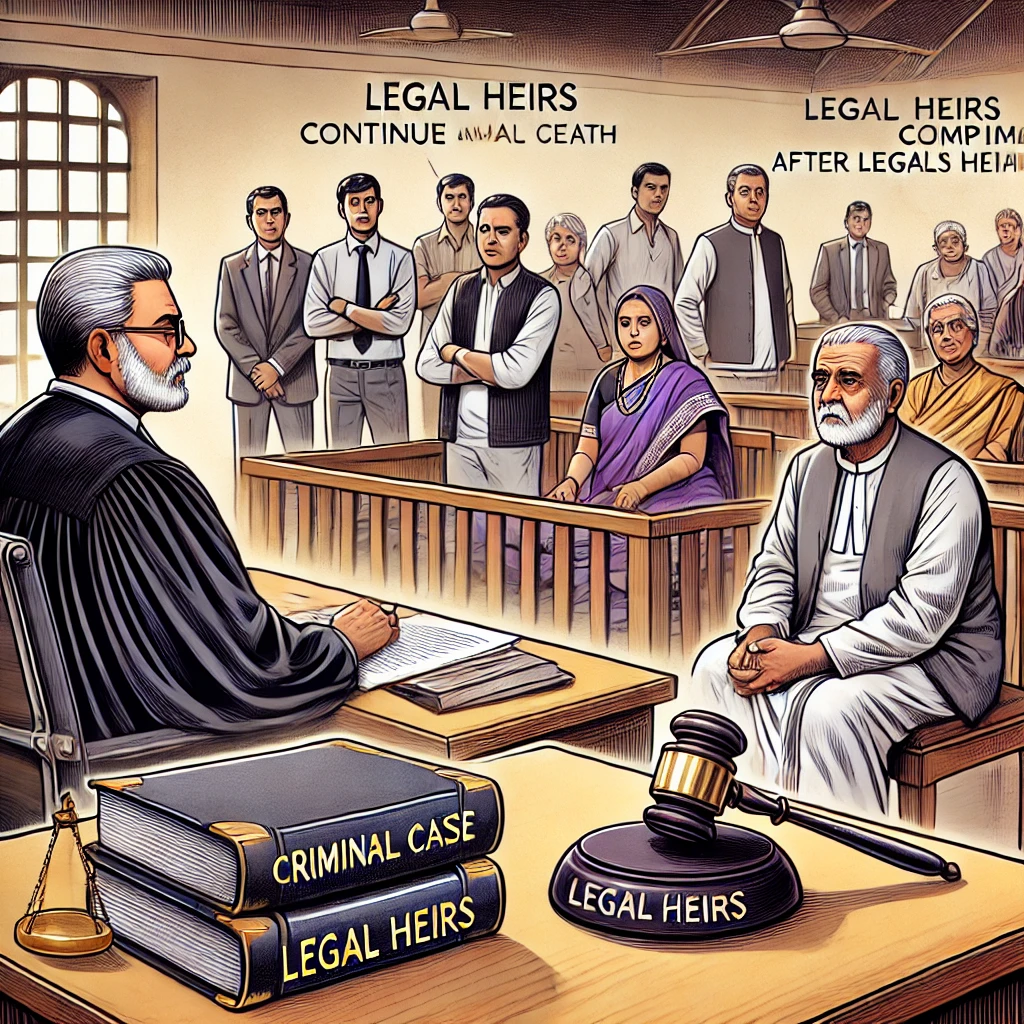
This discussion explores whether legal successors can pursue criminal cases after the death of a complainant according to Indian law, with reference to the Bharatiya Nagarik Suraksha Sanhita (BNSS), 2023. Criminal cases are generally personal and die with death, but exceptions are made in certain offences like defamation under Section 222 where successors can carry on if authorized by law. Based on judicial precedents and BNSS provisions, this research assesses the scope, limitations, and procedural intricacies, providing insight into the convergence of succession and criminal justice in India’s contemporary legal landscape.