Justice Yashwant Varma Challenges Supreme Court’s In-House Inquiry in Cash-at-Home Scandal
Introduction Honestly, Justice Yashwant Varma isn’t mincing words about the Supreme Court’s internal probe into the whole “Cash-at-Home” mess. You…
Keeping Pace with Legal Change
Introduction Honestly, Justice Yashwant Varma isn’t mincing words about the Supreme Court’s internal probe into the whole “Cash-at-Home” mess. You…
Justice Yashwant Varma faces India’s first judicial impeachment after a probe uncovered burnt currency at his residence, leading Parliament to consider removal proceedings. This unprecedented move tests constitutional safeguards, balancing accountability against independence and setting a milestone in judicial ethics.
Justice Yashwant Varma faces an impeachment motion after an in-house Supreme Court inquiry found unexplained cash at his residence. With the Chief Justice recommending removal and the Modi government pushing the process, this rare move tests judicial independence and accountability.
As a result of the payment incident involving Justice Yashwant Varma, India’s constitutional processes for judicial removal are currently being investigated. The rigorous procedures that are outlined in Articles 124 and 217, which are reinforced by the Judges (Inquiry) Act of 1968, demonstrate a considerate equilibrium between the independence of the judiciary and accountability. Despite the fact that impeachment provides a formal way to remove a judge from their position for misconduct that has been demonstrated, the process is complicated, time-consuming, and politically delicate. An approach that is both respectful and capable of resolving the issue in a timely manner while maintaining public confidence is providing a voluntary resignation. In the end, it may be necessary to combine both approaches in order to guarantee the integrity of the judicial system. This would involve combining robust constitutional safeguards with the moral persuasion of voluntary resignation in the event that substantial allegations are brought up.
Lastly, evaluating the feasibility of reviving the NJAC after the Justice Yashwant Verma fiasco entails a prudent appraisal of equilibrium between transparency, accountability, and the independence of the judiciary. The NJAC was initially designed to deal with the lack of transparency and alleged prejudices of the collegium system but succumbed to various challenges, including resistance from within the judicial establishment itself. The Justice Verma controversy has brought in an added layer of complexity by raising issues about the possibility of external influences and the requirement for a merit-based and just system of judicial appointments.
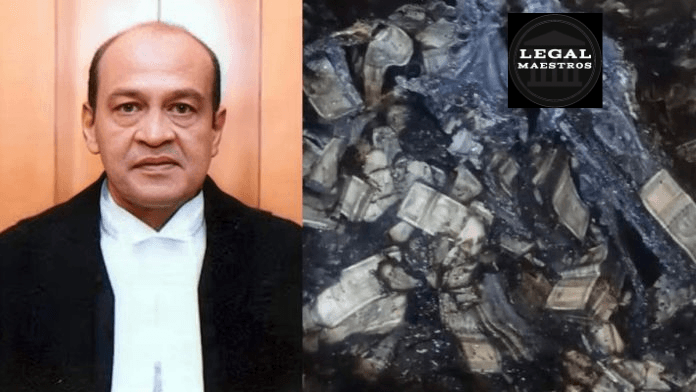
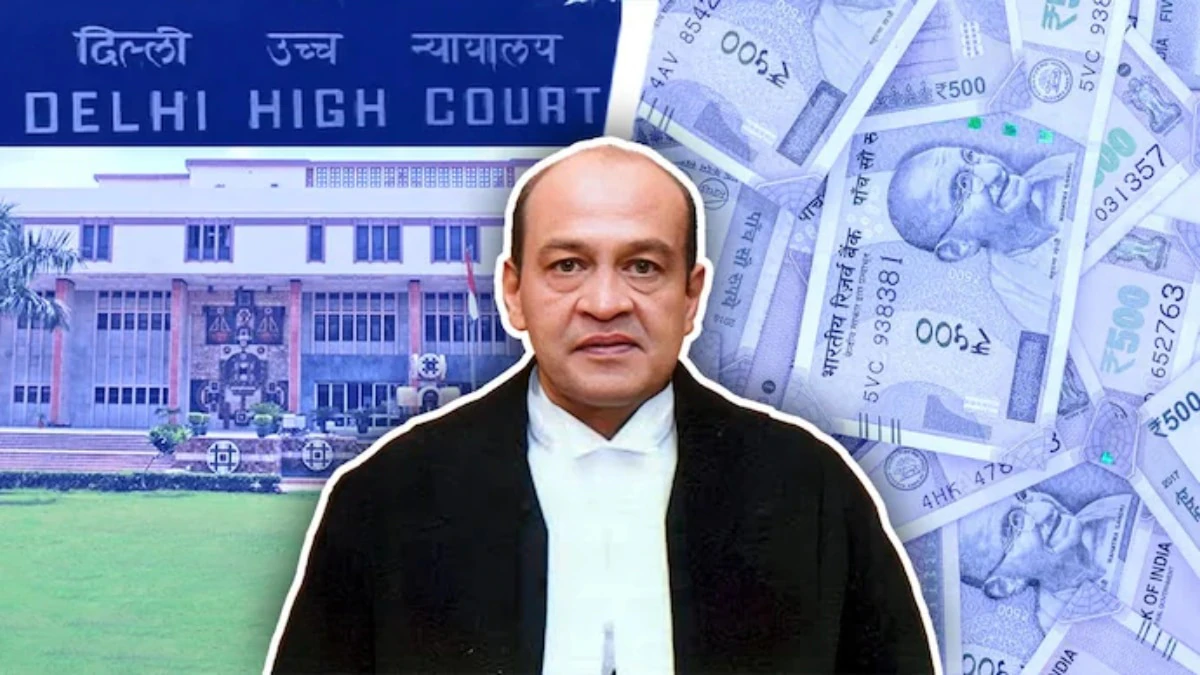
On March 14, 2025, a fire at Justice Yashwant Varma’s Delhi residence revealed burnt currency notes, prompting a Supreme Court inquiry. The CJI formed a three-member panel to investigate, amid Varma’s denial and past links to the 2018 Simbhaoli Sugar Mill fraud. His transfer to Allahabad High Court remains independent.