Satya Pal Malik’s Demise at 79: Reflecting on His Legal Battles and Allegations of Corruption in the Kiru Hydel Project Case
The death of Satya Pal Malik at the age of 79 brings to the conclusion a quite controversial and long…
Keeping Pace with Legal Change
The death of Satya Pal Malik at the age of 79 brings to the conclusion a quite controversial and long…
New Delhi, India July 21, 2025. In what can be described as major development that reiterate the effort towards faster…
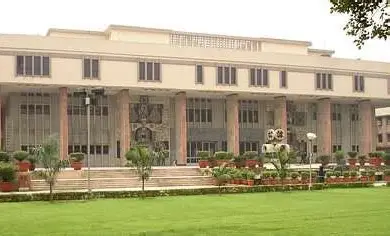
In Aakash Deep Chouhan Vs. CBI, the Delhi High Court adjudicated that systemic corruption is a subject of “public safety”, thereby allowing phone interceptions under current laws. Such surveillance was upheld by the court only if supported by due process, asserting stringent compliance with legal protections. This landmark ruling expands investigators’ powers against corruption while reiterating the necessity to weigh personal privacy against public interest.
The following paper will discuss the case of bribery with alleged NMC doctor during the testing in a medical college, including the details of this event and the punishment that will follow under the preamble of the Prevention of Corruption Act, 1988 of India. It points out to the strict measures, blacklisting and sanctioning the involved college, taken by the NMC in upholding integrity in medical education.
In this article, the author focuses on the decision of the Supreme Court in a Special Leave Petition where conviction of a public servant was not stayed under Prevention of Corruption Act. It explores the reasoning of the Court in opposing convictions that are stayed with respect to cases in which the charges against a public servant relate to corruption, strengthening the rule of the courts and citing the principles that apply of accountability and good citizenship in public service. It discusses the actual background, the legal provisions at stake, and the underlying facts brought to request by the Court.
The Supreme Court of India, in the case of B.S. Yediyurappa v. A. Alam Pasha, thoroughly investigated the intricate relationship that exists between Sections 17A and 19 of the Prevention of Corruption Act and Section 156(3) of the Criminal Procedure Code. The Court investigated whether or not there is a need for previous punishment prior to conducting an inquiry into public personnel.
This article talks about the Supreme Court’s decision to reject the acquittal of a government official accused of bribery. The court reinstated the trial court’s conviction under the Prevention of Corruption Act, 1988, concentrating on the legal principles and evidence issues at hand.
As a result of rampant fraud, the Supreme Court of West Bengal decided to cancel the entire school recruiting process for the year 2016. Additionally, the ruling places an emphasis on maintaining the integrity of public employment, as well as fairness and accountability. It establishes explicit guidelines for the manner in which whole recruitments must be canceled.
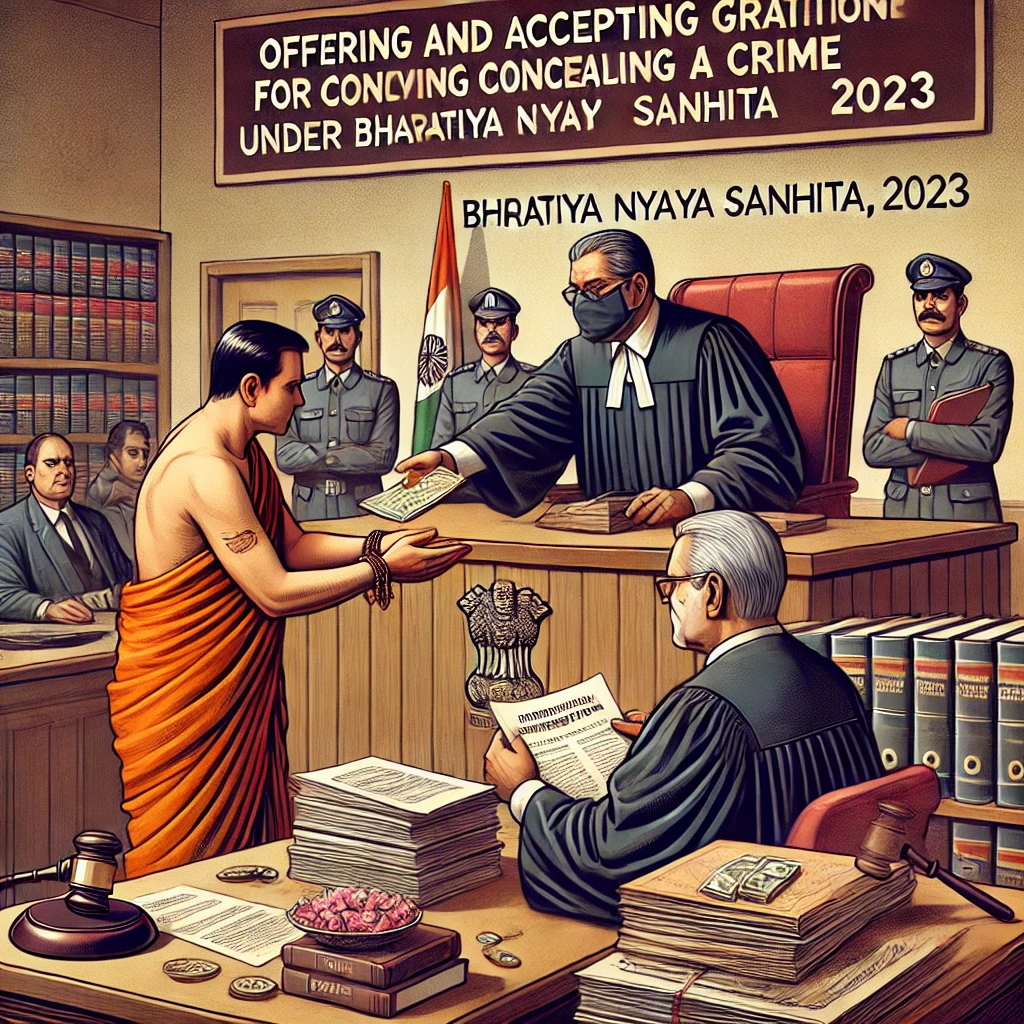
This manual analyses offences under providing and accepting gratification to hide crimes under the Bharatiya Nyaya Sanhita (BNS), 2023, in lieu of the Indian Penal Code, 1860. Sections 250 and 251 deal with accepting and providing rewards, respectively, to hide offenders, intended to prevent corruption and uphold justice. Punishment involves imprisonment and fines, equivalent to the crime’s gravity. This discussion points to the scope, purpose, and enforcement issues of the provisions within India’s revised criminal justice system, highlighting their importance in advancing transparency and accountability.
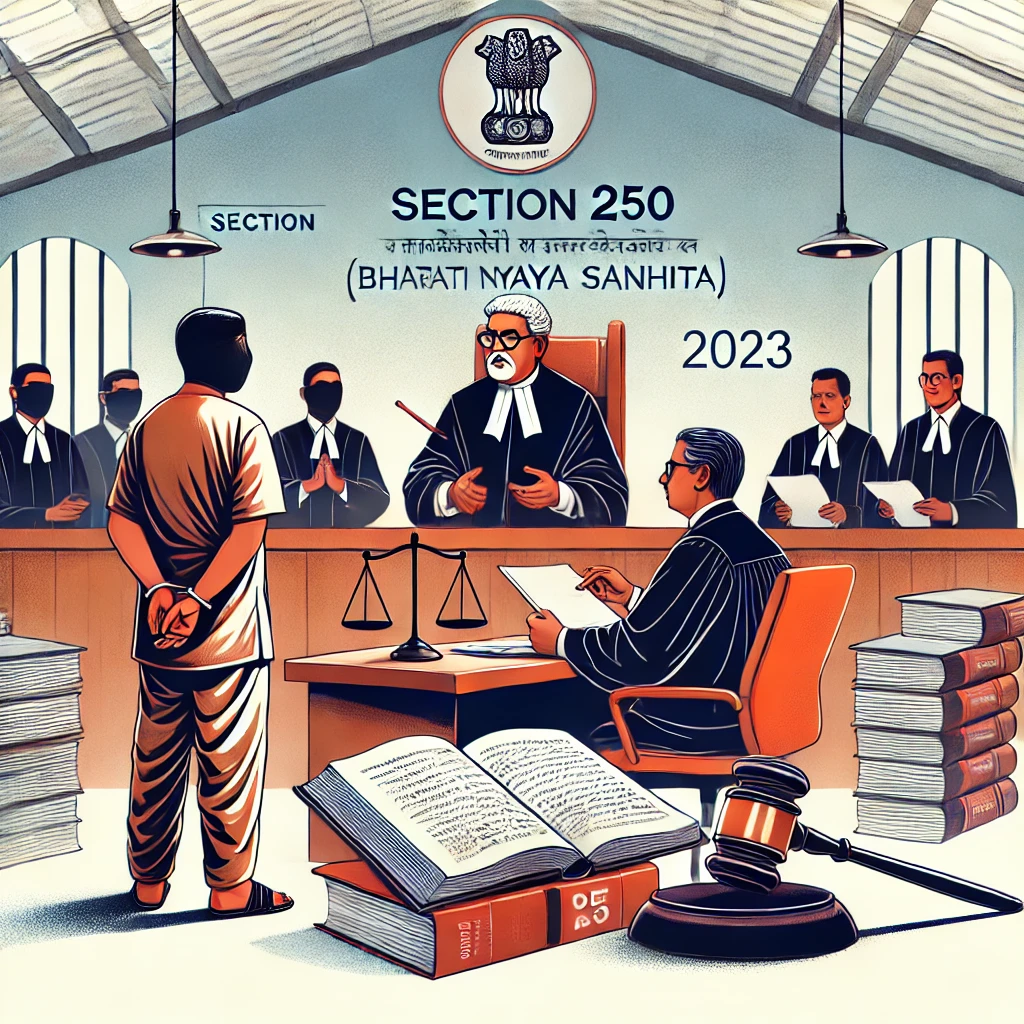
This discussion explores Section 250 of the Bharatiya Nyaya Sanhita (BNS), 2023, repealing the Indian Penal Code, 1860, dealing with the offence of receiving gifts to cover up culprits. Section 250 criminalizes people who accept bribes to cover up offenders, seeking to ensure justice and curb corruption. Sentences involve jail and fines, graded according to the seriousness of the offence. This research examines the provision’s purpose, extent, and procedural implications in India’s reformed criminal justice system, highlighting its contribution to accountability and integrity.