High court

Madras HC: LGBTQ+ Couples Can Make Families Even Without Same-Sex Marriage Law

Despite the fact that there is no legislation governing marriages between people of the same gender, the Madras High Court has ruled that LGBTQ+ couples have the right to have kids. During a separate proceeding, the Calcutta High Court granted Sharmishta Panoli temporary release, raising concerns about the procedural errors that led to her detention for making contentious comments on social media.

High court

Madras High Court: LGBTQ+ Couples Can Form Families Even Without Legal Marriage

Following a peaceful resolution between the two parties, the First Information Report (FIR) that had been filed against a man who was accused of gazing at a lady on a flight was dismissed by the Delhi High Court. The court came to the conclusion that pursuing the lawsuit would be pointless and emphasized the significance of resolving disagreements of this kind by mutual agreement wherever possible.

Current Legal Update

Supreme Court Streamlines Multi-State FIRs: Ravinder Singh Sidhu Case and Principles on FIR Clubbing

The Supreme Court’s 2025 ruling in Ravinder Singh Sidhu vs. State of Punjab (2025 INSC 727) establishes principles for clubbing multi-state FIRs, enhancing judicial efficiency. Addressing multiple FIRs filed across states for related offenses, the Court emphasized consolidating cases to prevent procedural abuse and ensure fairness, as seen in Sidhu’s case involving Punjab and Haryana. The verdict aligns with Article 21’s right to a fair trial, streamlining investigations while safeguarding defendants’ rights. It sets a precedent for handling cross-jurisdictional disputes, reducing redundancy.

Current Legal Update

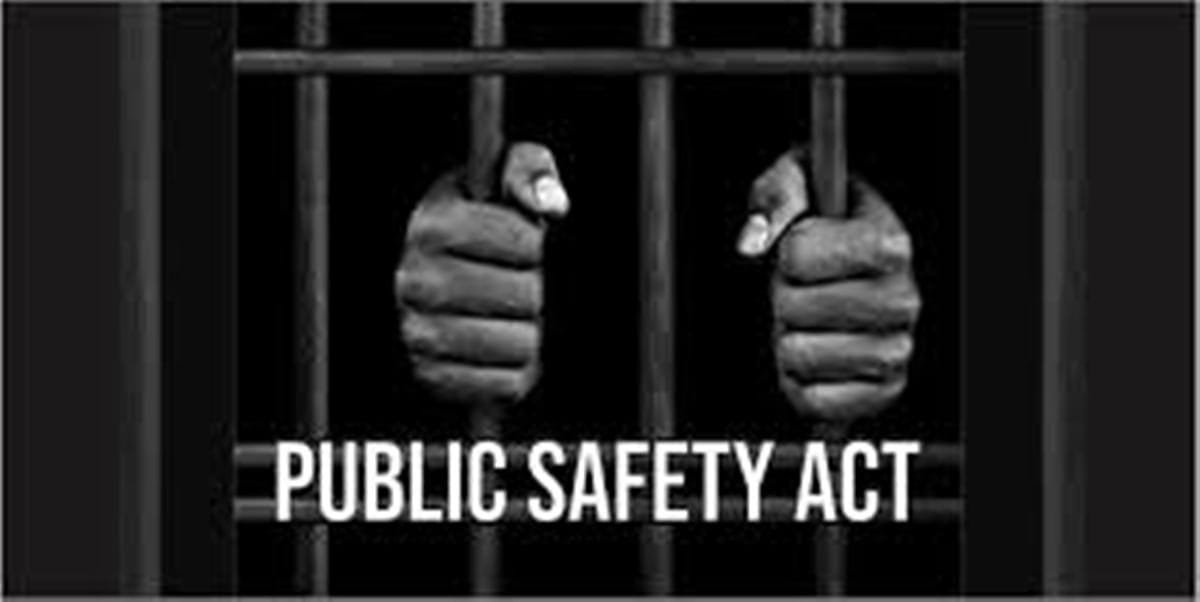
J&K Police’s PSA Crackdown in Srinagar: Constitutional Analysis of Public Safety Act’s Role in Mass Detentions Post-Pahalgam Attack

The Public Safety Act empowers senior executive officers to order preventive detention in the name of “public order” or “security of the State.” Under Section 8, a Divisional Commissioner or District Magistrate may detain any person for up to two years if they believe that individual’s activities could disturb peace or incite violence. Detention orders must outline the grounds for arrest within ten days, although Section 13 permits withholding of sensitive details deemed against public interest. Critics argue that such broad discretion enables arbitrary use of power, eroding trust in the legal system.

Once a detention is ordered, Section 16 mandates that an Advisory Board—comprised of members appointed by the State Government—review the case within four weeks. However, detainees are denied access to legal counsel during these proceedings, and the Board’s recommendations are non-binding. Section 22 further shields officials from legal liability for actions taken “in good faith” under the Act. Together, these provisions create a framework where procedural safeguards exist in theory but often falter in practice, leaving detainees with limited recourse to challenge prolonged preventive detention.

Current Legal Update

Intensifying Heatwaves in Rajasthan: Constitutional Analysis of India’s Environmental Laws and Climate Adaptation Gaps

The state of Rajasthan has emerged as a climate hotspot, with heatwaves intensifying both in frequency and severity over the past decade. Temperatures exceeding 45°C have become alarmingly common, placing immense pressure on public health systems, water resources, and vulnerable communities. Despite the gravity of the crisis, India’s environmental legal framework has struggled to evolve from a conservation-centric approach to one that adequately addresses climate adaptation and resilience.

At the constitutional level, Article 21—the right to life—has been interpreted by Indian courts to include the right to a clean and healthy environment. Yet, in practice, the application of this right in the context of climate-induced disasters remains limited and inconsistent. While Article 48A of the Directive Principles of State Policy calls for the protection and improvement of the environment, and Article 51A(g) places a duty on citizens to safeguard natural resources, there is a notable absence of enforceable mechanisms that translate these provisions into meaningful climate action, especially at the state level.

This gap is particularly evident in Rajasthan, where legal mandates and disaster management policies remain fragmented and reactive rather than preventive or adaptive. State action has often been guided by short-term relief measures rather than long-term climate resilience planning. Moreover, the lack of climate-specific legislation results in an over-reliance on generic environmental laws and judicial activism, which, while valuable, cannot substitute for a coherent statutory framework.

This excerpt lays the groundwork for a deeper analysis of how constitutional principles and environmental statutes can and must evolve to meet the unprecedented challenges posed by climate change in India’s most vulnerable regions.

Current Legal Update

Linking Delhi Heatwaves to Article 21: Protecting the Constitutional Right to Life Amid Climate Crisis

The heightening heatwaves in Delhi drive home the urgency to tackle climate change as an issue of human rights. The right to life, as under Article 21 of the Indian Constitution, includes the right to a clean and stable environment. The judiciary acknowledging this right vis-a-vis the negative impacts of climate change is a responsibility placed on the state to take viable steps to abate these consequences. This involves setting up detailed heat action plans, encouraging sustainable city planning, maintaining access to primary resources such as water, and safeguarding at-risk populations. Ensuring adherence to these roles is essential for the protection of Delhi’s citizen constitutional rights from the intensifying climate crisis.

Current Legal Update

The Rise of Bulldozer Justice in India: Legal Analysis, Supreme Court Rulings, and Constitutional Concerns

Bulldozer justice has caught on in India because of its instant effect and powerful political statement. Its deployment, however, is problematic with serious legal and ethical implications in terms of due process and constitutional rights. Again and again, the Supreme Court has held that demolitions must not be applied as a mode of punishment and must adhere to proper legal formalities. While the call for rapid action against criminals is understandable, it should not be at the expense of core legal principles. Guaranteeing fair trials, bolstering the judiciary, and upholding the rule of law are important to avoid the abuse of power and ensure justice for all citizens.