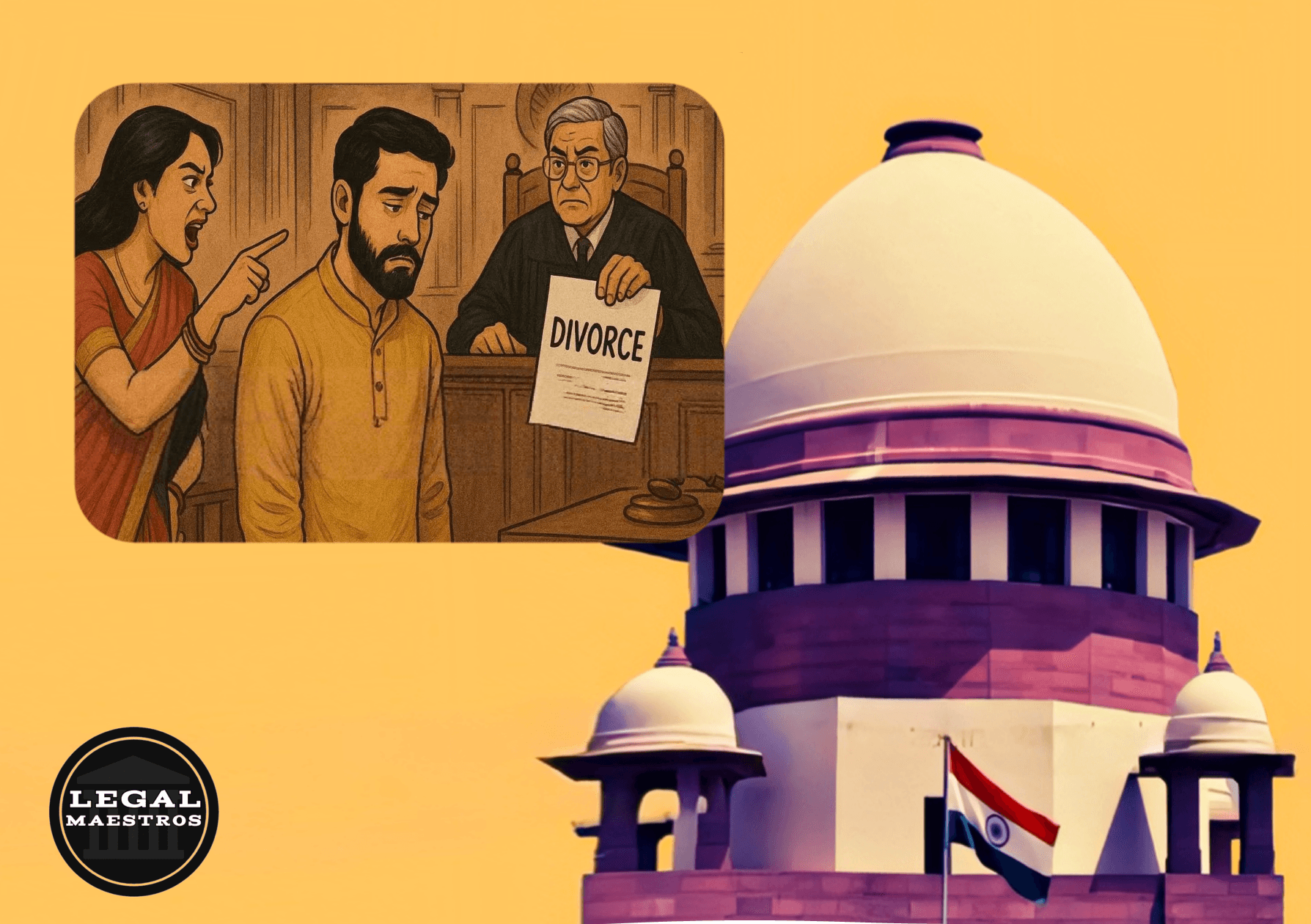
Supreme Court Settles High-Profile Alimony Dispute: Woman Awarded Mumbai Flat After Demanding ₹12 Crore in Contentious Divorce Case
Recently and in an area of brouhaha, the Supreme Court of India has proffered a legal end to a controversial…
Keeping Pace with Legal Change
Recently and in an area of brouhaha, the Supreme Court of India has proffered a legal end to a controversial…
There is a clearly defined structure in the judicial system of India with Supreme Court as the highest Court of…
In a landmark decision, the Supreme Court of India on 22July 2025, gave a ruling in a case, Sakshi Chauhan…
Ruling in another landmark matrimonial case on July 22, 2025, the Supreme Court of India, comprising CJI B.R. Gavai, and…
In a landmark case of the Supreme Court of India dated 15 July 2025, a decree of divorce has been…
The Supreme court in a landmark decision dissolved the marriage of a couple who had been separated for more than ten years saying irretrievable breakdown was a valid ground to grant divorce under Article 142 of the Constitution. The case shows that the Court, as an arm of the constitution, has the right to give full justice when there is no statute on the matter.
It was decided by the Supreme Court in the case Sachin v. State of Maharashtra that an accused person cannot be made worse off for appealing a conviction that they have already been found guilty of. Increasing the severity of punishment in such appeals is a violation of both procedural fairness and natural justice, particularly when the state does not oppose the decision.
The Supreme Court used its extraordinary power under Article 142 to end the marriage of R. Annamalai and Lalitha Subanam since it couldn’t be fixed. Even if mediation didn’t work, the court made sure that both sides got justice by giving them money and putting an end to the case.
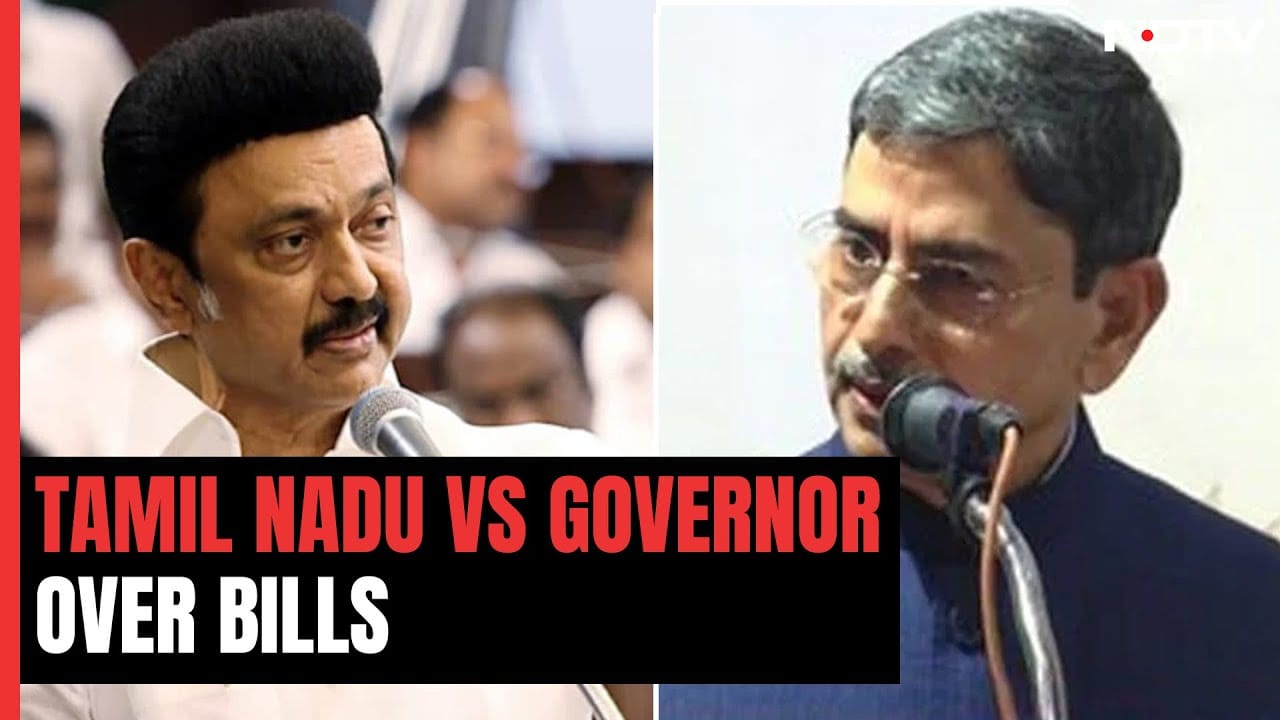
The difference of opinion about the deadline for the governor of Tamil Nadu, as well as the subsequent presidential reference under Article 143, constitute a significant turning point in constitutional law. Specifically, it examines the equilibrium that exists between written requirements, such as the mandate for legislative sessions to take place every two years, and the norms that control the behavior of governors. Because of the advisory judgment issued by the Supreme Court, the concept of gubernatorial powers and the relationship between the center and the state will be shaped for many years to come. In conclusion, this case highlights the critical need of having clear constitutional mandates, maintaining steadfast respect for democratic procedures, and exercising discretionary power in a deliberate manner by constitutional officials.
The Supreme Court’s verdict on the authority of the Tamil Nadu governor concerning state legislation is a notable milestone in the development of India’s democratic process. It emphasizes the central role of the re-passage mechanism in validating the will of the people as articulated through their elected representatives. The case has brought to the fore the fine balance that has to be struck between the roles of constitutional officials and the legislature. For Chief Minister M.K. Stalin and the state government, it is not just a legal triumph but also a reaffirmation of democratic principles and the vital importance of establishing clear lines of command.