Telangana High Court Grants 1-Week Anticipatory Bail to Congress Leader Pawan Khera
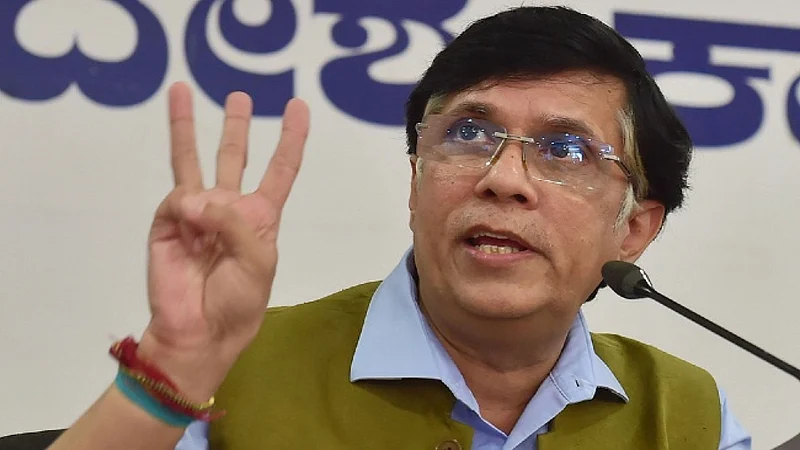
Introduction Recently, the Telangana High Court granted the interim relief to the Congress leader Pawan Khera by granting him anticipatory…
Keeping Pace with Legal Change
Introduction Recently, the Telangana High Court granted the interim relief to the Congress leader Pawan Khera by granting him anticipatory…
The Supreme Court on 21 July 2025cancelled anticipatory bail to Nikita Shetty’s husband and in-laws in a trespass to property and forgery case. The Court held that the accused had suppressed material facts and also meddled with evidence and therefore custodial interrogation justified.
Supreme Court on Monday 21st July 2025, revoked anticipatory bail to Vishwajeet Jadhav and his relatives against accusations of hijacking estranged wife’s Hotel Vaishali in Pune. The court believed the accused had hidden facts and misused judicial proceedings in a serious criminal trespass case.
Anticipatory bail sought by cartoonist Hemant Malviya was refused by Madhya Pradesh High Court, holding that his caricature of RSS and Prime Minister outraged religious feelings. Custodial interrogation was deemed necessary under strict provisions safeguarding public harmony and societal stability.
In this article, we are going to examine the Abdul Hameed v. State case, a landmark judgment explaining anticipatory bail under the new BNSS in India. It focuses on the maintenance of consecutive bail applications, the retrospective effect of procedural legislations such as BNSS and principle of beneficial law in the sense that the evolution of the law legally deserves reconsideration of bail considering the new legal considerations.
On a petition by Ananth Kumar Hegde, a former Union Minister and Karnataka state BJP President, the High Court of Karnataka has stayed coercive action pursuant to a road rage case against him. The order has given short-term relief at a time when there is a legal case against the assault and abuse of power claims.
In the case of Ankit Mishra v. State of Madhya Pradesh, the Supreme Court supported the decision of the High Court to give anticipatory bail to a man who had committed many offenses. With a focus on judicial discretion in accordance with Section 438 of the Criminal Procedure Code, the ruling investigates the legal criteria for granting or canceling bail.
The Supreme Court said in the case of Rikhab Birani v. State of Uttar Pradesh that civil problems like breach of contract cannot be considered criminal cheating unless there is proof that the person who broke the contract was dishonest from the start.