









CRIMINAL LAW

Legal Safeguards for Acting Under Legal Duty and Judicial Immunity in the Bhartiya Nyaya Sanhita 2023: Sections 14 and 15

In short, the Bhartiya Nyaya Sanhita 2023 contains significant provisions to safeguard persons who act in legal compulsion and judges who act in their official capacity. Section 14 provides that persons who act on a reasonable belief of legal duty, e.g., a soldier or a court officer, shall not be punished for such action. Section 15 ensures that judges are protected from criminal responsibility while carrying out their judicial functions. These exceptions highlight the necessity of staying within the bounds of law and protecting individuals who obey legal orders, thus upholding a just and efficient justice system. Recent judicial examination and debates highlight that such provisions are imperative in ensuring equilibrium between upholding the law and defending the rights of those who administer it.

CRIMINAL LAW

Section 13 Stringent Measures for Previous Convictions in Bhartiya Nyaya Sanhita 2023

In short, the strengthened punishment clause in the Bhartiya Nyaya Sanhita 2023 is intended to prevent repeat serious crimes by punishing those who have convictions much more severely. By increasing the penalty for offenders who persist in their crimes, the law hopes to make the legal system stand firm against ongoing criminality. This is new-age thinking that is likely to increase public faith in the legal system and make society safer for all.

Further information from other legal analyses and news accounts highlight the significance of this action in having a deterrent impact. The focus on tough treatment for recidivists is a demonstration of the changing needs of society and the ongoing efforts of legislators to enhance public safety and justice.

Current Legal Update

Who Owns the Copyright of Ghibli Images and What Indian Laws Say About Foreign Works

The copyright of Studio Ghibli images is strongly retained by the studio and its authorized rights holders. The images are protected under Japanese copyright law and, consequently, are protected in all countries that are signatories to the Berne Convention, including India. The Indian Copyright Act of 1957 applies equal protection to foreign works as domestic works, so any unauthorized copying of images by Studio Ghibli in India will be open to scrutiny by the law. The law offers strict remedies against infringement and is constantly updating itself to keep up with the digital challenges

Current Legal Update

Why the Impeachment Procedure for Indian Judges Is So Technical?

The impeachment process for Indian judges is a technical and intricate process aimed at safeguarding judicial independence while providing accountability. Its specificity is a testament to the historical controversies and constitutional ideals that have established India’s legal system. The procedure is multistage, rigorously evidence-based, and involves participation by both houses of Parliament, all designed to forestall the abuse of impeachment as a political instrument. While there are criticisms and obstacles in removing a judge by this process, these same protections are what have served to preserve the integrity of the judiciary for decades.

Current Legal Update

Is the Kunal Kamra Case a Fit Case for Criminal Defamation Under Indian Law

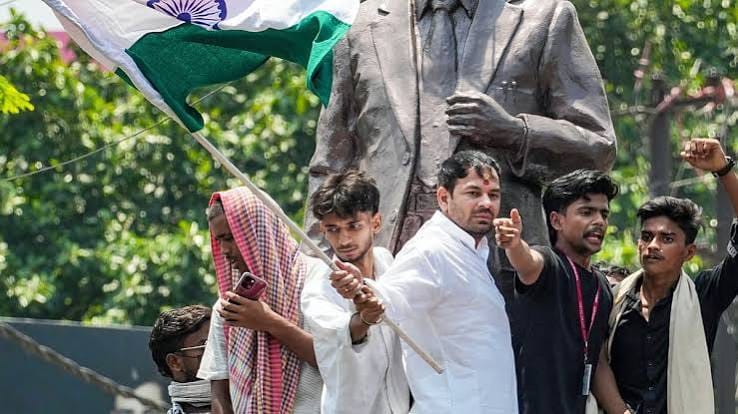
The Kunal Kamra case is representative of the larger conflict between preserving personal reputation and free speech in an active democracy. While the use of criminal defamation laws in India is meant to avoid false and malicious assault on personal honor, it poses a serious issue when applied against political satire and criticism. The facts in Kamra’s case, i.e., his widely reported commentary style and circumstances surrounding his comment, lend a hand toward presuming the meaning of the expressions was one of political satire instead of offending defamations. Yet their interpretation by the courts remains disputatious

Current Legal Update

Why Gujarat High Court Cited Pink Floyd in their Judgement?

The Gujarat High Court’s citation of Pink Floyd in its judgment serves as a poignant reminder of the detrimental effects of bureaucratic delays on justice delivery. By quashing the decade-old show-cause notices, the court upheld the principles of timely adjudication and accountability. This decision not only addresses the individual complaints of Rohan Dyes and Intermediates Limited but also establishes a precedent focusing on the need for expeditious action in legal and administrative cases. The synthesis of cultural aspects with legal argumentation in this case indicates the judiciary’s creative response to solving issues of long-standing nature in the legal system. 

Current Legal Update

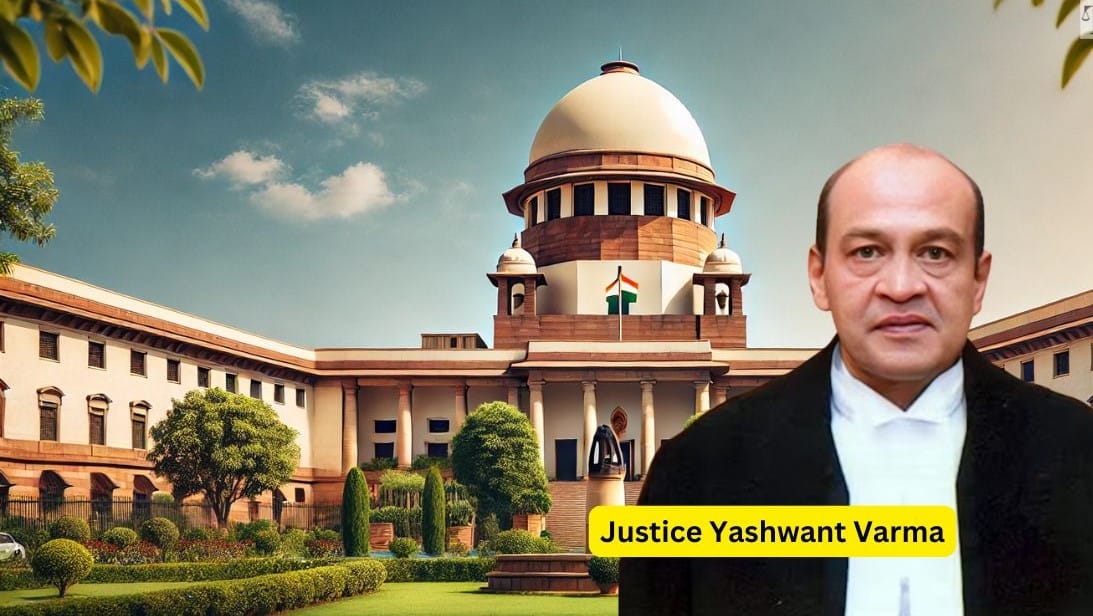
Yashwant Varma Case: How the In-House Inquiry Process Works Against Sitting High Court Judges in India

The Justice Yashwant Varma case has again raised questions about the in-house inquiry process and its shortcomings. Though the process is intended to preserve judicial integrity, questions regarding transparency and accountability still persist. The judiciary has to balance independence and accountability for misconduct by judges. Enhancing the system with improved guidelines and disclosure of inquiry findings to the public may assist in enhancing public faith in the justice system. The Justice Varma case is a reminder that the integrity of the judiciary is predicated on the ability of the judiciary to tackle allegations against members of the judiciary.

Current Legal Update

Challenges Faced by First-Generation Advocates in India: Low Pay, Long Hours, and Clerical Work Struggles

The path of a first-generation activist in India is fraught with obstacles, ranging from economic difficulties and long work hours to a lack of mentorship and access to meaningful legal work. Each of these challenges necessitates a multifaceted solution, involving the introduction of equitable compensation policies, the creation of formalized mentorship programs, and an attitudinal shift towards acknowledging and enabling the efforts of junior attorneys. By creating an atmosphere that recognizes and encourages talent regardless of family background, the legal profession can move towards greater inclusiveness and equity. 

Current Legal Update

How to Avail Free Legal Services at Legal Services Authority in India

India’s Legal Services Authorities are dedicated to making justice accessible to everyone, irrespective of their economic status. Through free legal aid, representation, and counseling, they enable individuals to defend their rights and access the judicial system. Either through offline, online portals, or programs like Tele-Law, individuals can access these facilities with ease. The use of paralegal volunteers further reinforces such a system through raising awareness and enabling individuals to pursue justice.  Legal assistance is no longer a privilege, but a right enjoyed by each eligible citizen due to these actions.