High court

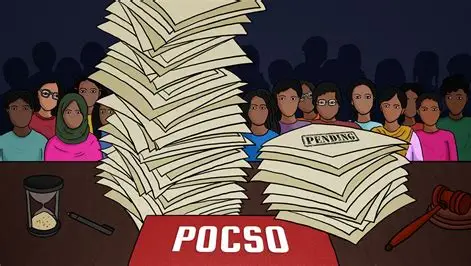
Expression of Affection Is Not Sexual Assault, Rules Bombay High Court by Acquitting 25-Year-Old Under POCSO

In Ravindra v. State of Maharashtra, the Bombay High Court set aside a conviction under POCSO and IPC, ruling that saying “I love you” and holding hands without sexual intent does not constitute sexual assault or harassment. The Court emphasized that criminal liability under POCSO requires proof of sexual intent and physical contact of a sexual nature. It clarified that mere expressions of affection, without more, cannot satisfy the statutory threshold for criminal prosecution.

High court

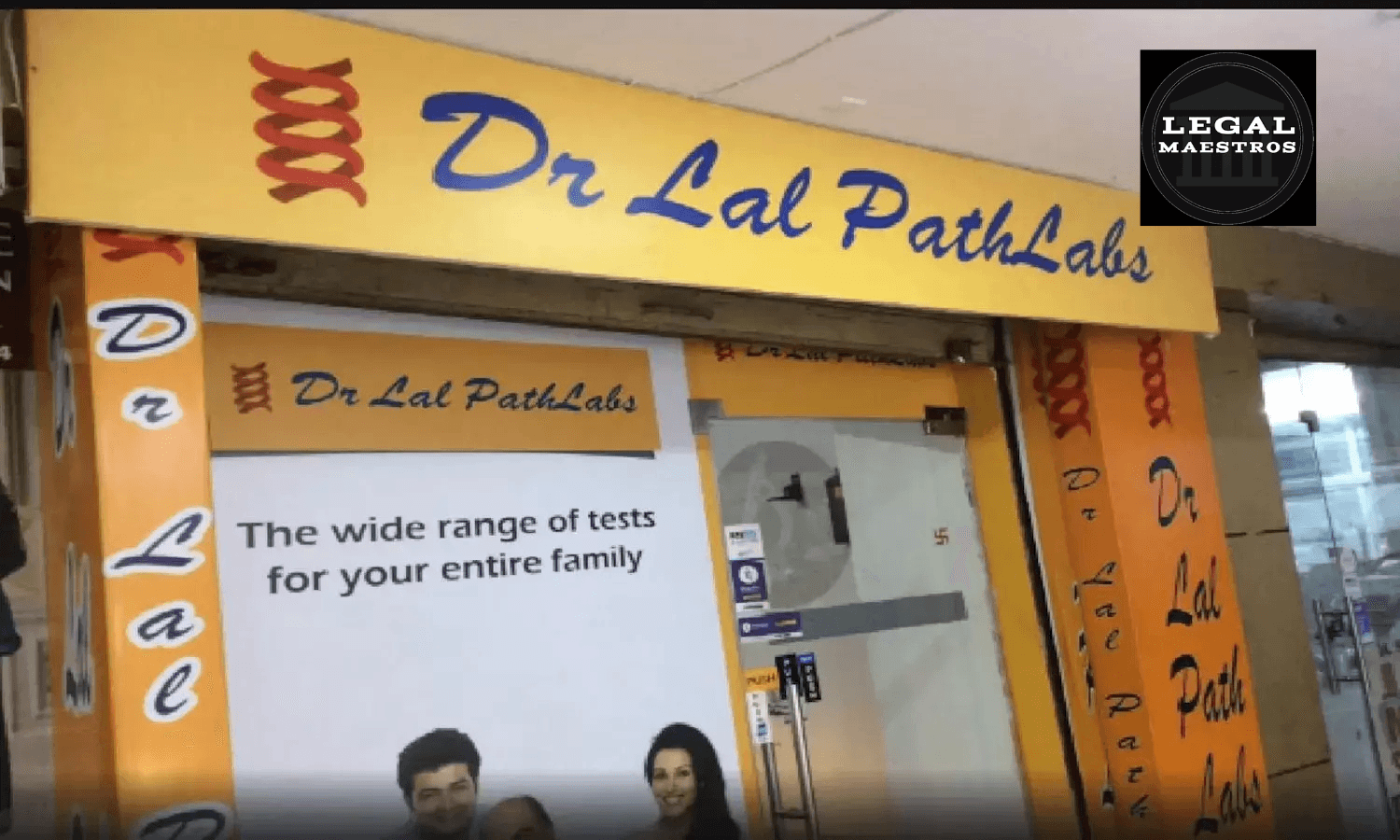
Delhi State Commission Rules Dr Lal Path Labs Liable for Inaccurate Test Reports, Upholds Rs. 3.5 Lakh Compensation

The Delhi State Consumer Disputes Redressal Commission upheld a Rs. 3.5 lakh compensation against Dr. Lal Path Labs. The ruling holds the lab liable for “deficiency in service” due to “grossly erroneous” test results that caused distress and unnecessary hospitalization. The judgment reinforces accountability for diagnostic errors.

High court

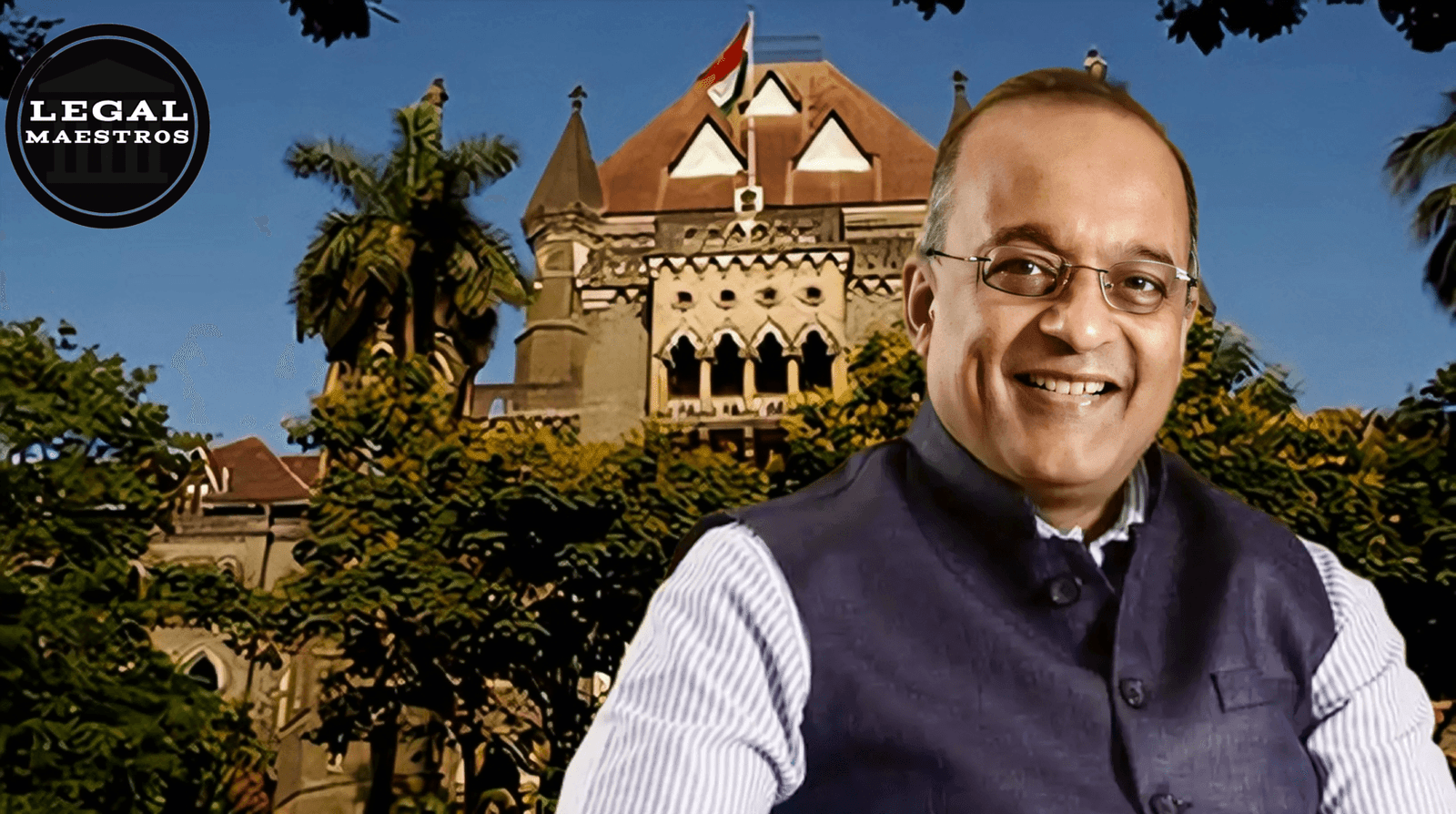
Three Bombay High Court Judges Recuse from HDFC CEO’s Lilavati Trust FIR Case

The chief executive officer of HDFC entitled as Abhishek Verma appeared before Bombay High Court in the case of HDFC CEO and related to Lilavati Trust FIR where the three judges of Bombay high court have recused themselves as a major development. This is an unprecedented series, which has become a legal matter of concern, questioning the job of judicial neutrality and confrontation.

High court

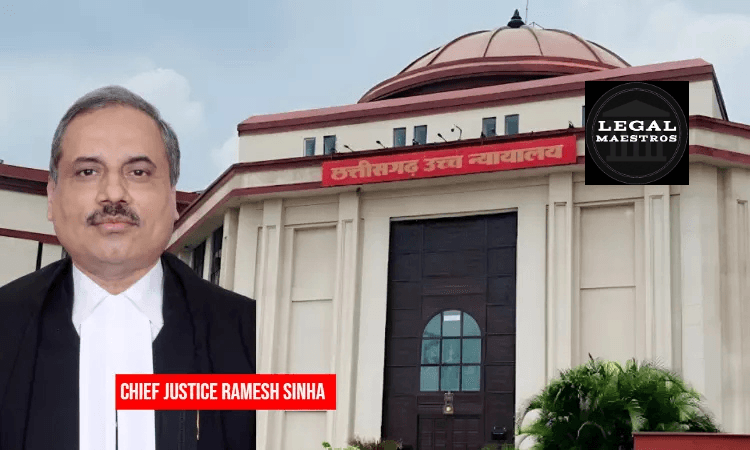
Madras High Court: Pension Not Charity for Dependents of Mentally Disabled Govt Servants

This article examines a recent judgement of the Madras high court which indicates the importance of giving rights to mentally incompetent dependents to obtain their family pension without any undue obstacles. It focuses on how the court has interpreted the rules on pensions, its very tough stand against bureaucratic delays in the delivery of goods and services and its demand of a humane nature as directed by the constitution. The case brings out the importance of the judiciary in supporting social welfare provisions for vulnerable groups in society.