Difference between s 9 and s 11 Evidence Act (s7 and s 9 BSA) (Learning law with GPT)
Difference between s 9 and s11 evidence act is difficult to gauge. And hence i asked gpt about it. S9…
Keeping Pace with Legal Change
Difference between s 9 and s11 evidence act is difficult to gauge. And hence i asked gpt about it. S9…
The Bharatiya Nyaya Sanhita, 2023, effective from July 1st, 2024, has substituted the Indian Penal Code and brought several provisions…
The Bharatiya Nyaya Sanhita (BNS), 2023, by Sections 244 and 245, deals with fraudulent acts associated with seizure of property, amending the Indian Penal Code. Section 244 criminalizes false claims to property to prevent its lawful forfeiture or seizure, whereas Section 245 punishes fraudulent acceptance of decrees for amounts not due. These sections propose to safeguard judicial proceedings against abuse, ensuring equitable resolution of property disputes. Guided by judicial decisions and expert opinion, they check monetary dishonesty. Problems such as establishing fraudulent intent continue to exist, but the BNS strengthens legal integrity.
The Bharatiya Nyaya Sanhita (BNS), 2023, deals with misleading the law under Sections 237 to 239, superseding archaic Indian Penal Code provisions. Section 237 seeks punishment for misusing false declarations, Section 238 deals with destruction of documents and giving false information to hide criminals, and Section 239 seeks punishment for not reporting a crime. All these sections serve to avoid such fraudulent activities distorting justice and ensuring reliability in evidence and prosecution of offenders. Based on instances such as Jessica Lal and scholarship in law, their contribution to maintaining judicial integrity is evident. Challenges such as establishing intent remain, but the BNS strengthens India’s judicial system against fraud.
The Bharatiya Nyaya Sanhita (BNS), 2023, adds Sections 237 to 239 to fight muzzling evidence and shielding criminals, updating the Indian Penal Code. Section 237 criminalizes the making of false declarations, Section 238 aims at tampering with evidence and providing false information to shield criminals, and Section 239 acts against neglect to report crimes. These steps guarantee evidence purity and criminal accountability, crucial for justice. Such cases as Zahira Habibullah Sheikh and learned writings attest to their salience. While issues, such as establishing intent and coping with cyber evidence, still persist, the BNS consolidates the Indian legal architecture.
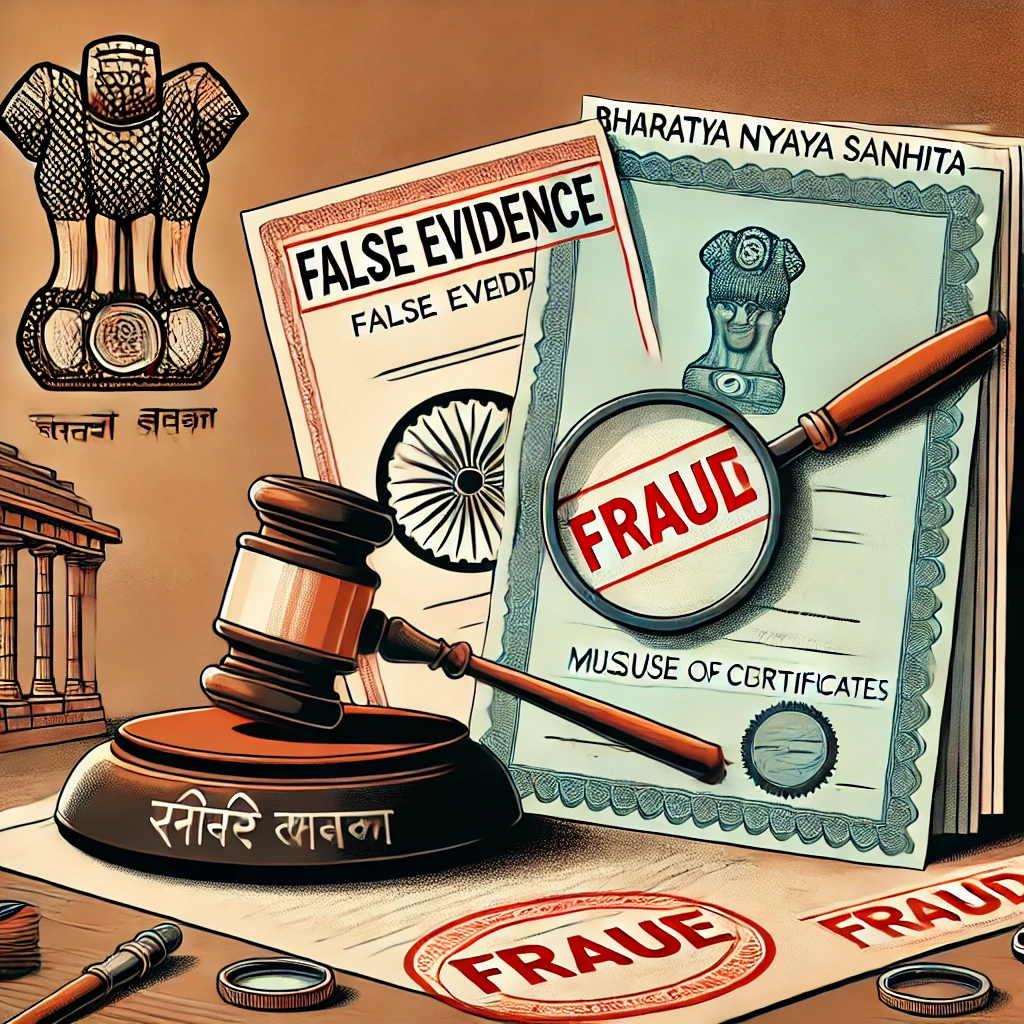
Sections 233 to 236 of the Bharatiya Nyaya Sanhita, 2023, carefully cover the topic of false evidence and misuse of certificates in a bid to safeguard the purity of judicial proceedings. The sections prescribe penalties for the use of known false evidence, making false certificates, using false certificates, and making false statements. They represent a big leap towards seeing to it that justice is not undermined by fraud. The legal system is a strong safeguard against such malpractices, protecting the truth in the course of judicial proceedings.
This article examines the revolutionary changes introduced by the Bharatiya Sakshya Adhiniyam (BSA) in India, which replaced the outdated Indian Evidence Act. It highlights how the BSA modernizes evidence law, specifically through the wider admissibility of electronic evidence, expert certification conditions, and better witness protections. The analysis encompasses judicial interpretations and scholarly critiques, highlighting the consequences for digital evidence and legal processes.
This article will try to find the legal nicety of the dying declaration in regard to their application within the judicial system, specifically under Indian law. Criteria for admissibility, psychological, and legal considerations are elaborated, as well as how case law influences the interpretation of dying declarations. This paper attempts to discuss a number of significant judicial precedents regarding the application of dying declarations, ranging from dowry deaths to criminal assault cases. It also discusses the recent legislative changes as well as the scholarly critiques concerning the credentials of such statements.
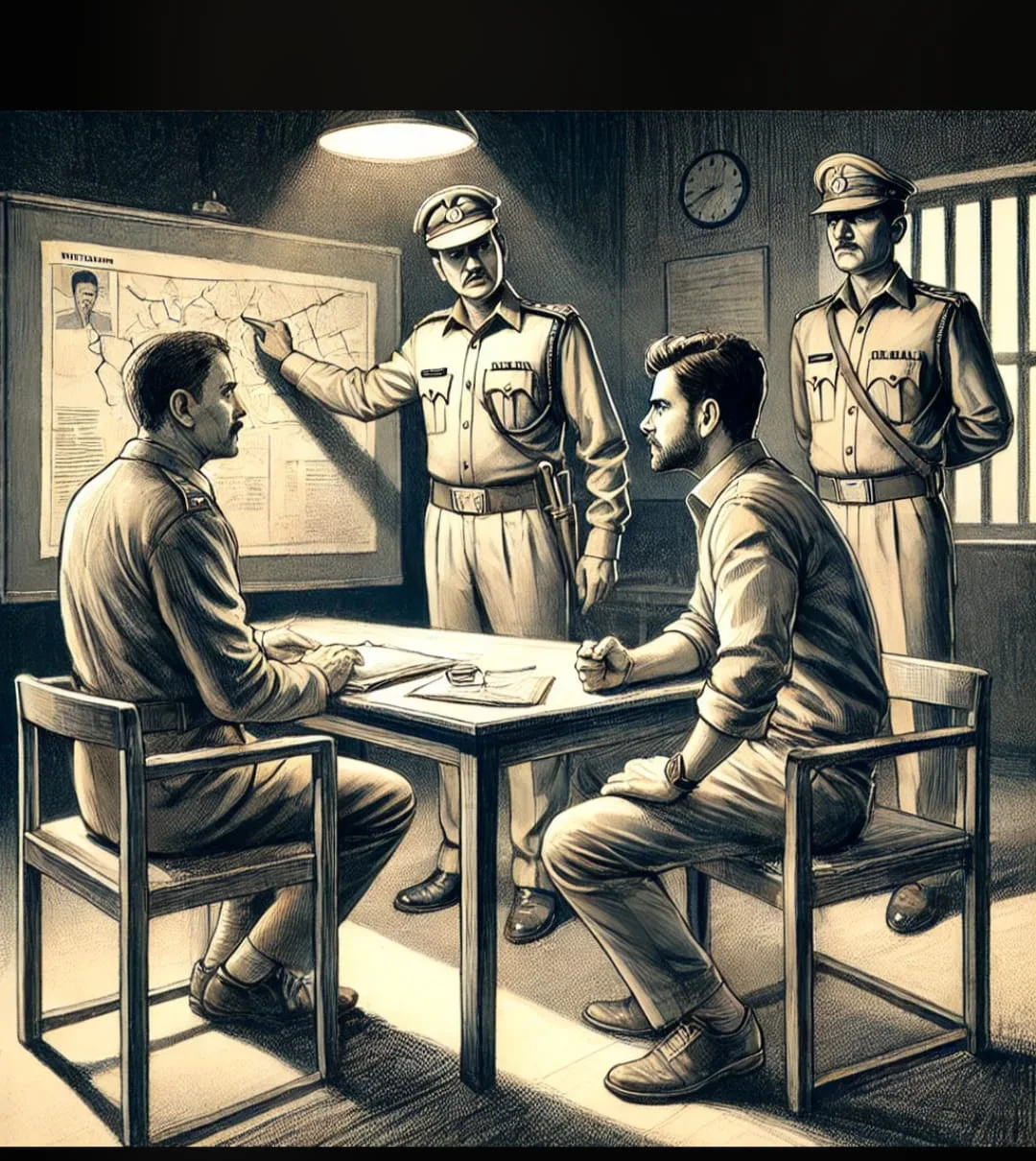
This article explores the critical role of Test Identification Parades (TIPs) in the Indian legal system and the implications when police fail to conduct them. It discusses how the absence of TIPs can weaken evidential strength, potentially lead to miscarriages of justice, and undermine the credibility of criminal investigations. The analysis covers legal precedents, the impact on judicial outcomes, and the balance between procedural justice and practical challenges in law enforcement. The piece underscores the necessity of TIPs in ensuring fair trials and accurate convictions, highlighting their importance in the justice system.
Section 27 of the Indian Evidence Act, 1872, serves as a pivotal provision for both legal practitioners and competitive exam aspirants. Retained verbatim in the proviso to Section 23 of the Bhartiya Sakshya Adhiniyam (BSA), this provision has been the subject of extensive judicial interpretation and remains vital for establishing the link between confessions and discoveries during investigations.
In this comprehensive guide, framed in a Q&A format, we analyze Section 27 using recent and landmark judgments to demystify its complexities. This article also serves as an invaluable resource for those navigating the nuances of evidence law.