Gautam Adani’s Exit from Key Managerial Role at Adani Ports: Decoding the Implications Under the Indian Companies Act, 2013
A major turn of events is the recent resignation of an industrialist named Gautam Adani as an executive director at…
Keeping Pace with Legal Change
A major turn of events is the recent resignation of an industrialist named Gautam Adani as an executive director at…
There is a clearly defined structure in the judicial system of India with Supreme Court as the highest Court of…
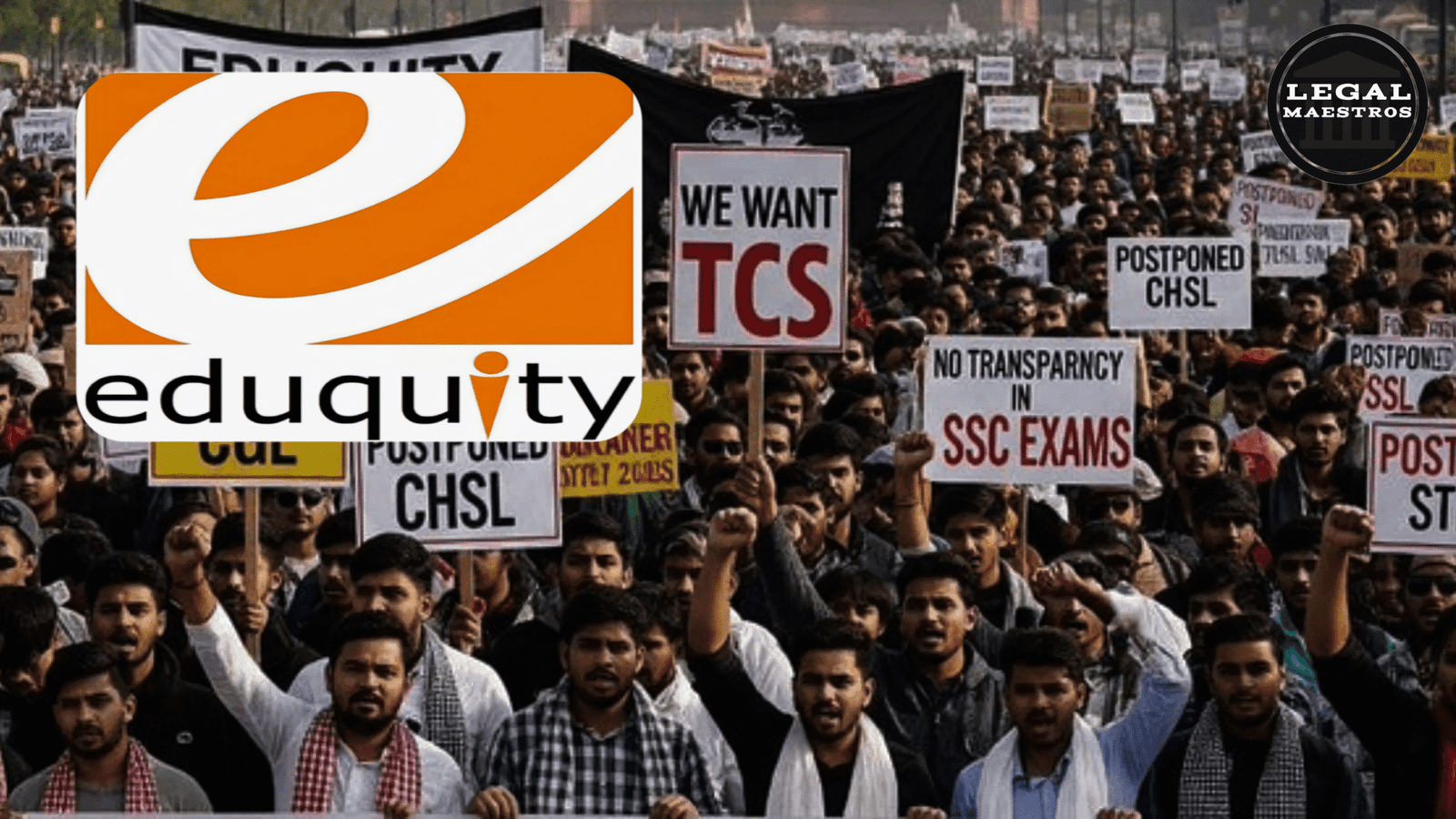
At the heart of a crisis of integrity in the Indian system of public examination, and a firm that markets…
Coming back to the facts of the case, the Court said that it is absolutely incorrect on the part of the counsel to assert that the Petitioner could have been summoned as an accused only during the course of trial under the provisions of Section 319 CrPC. “Section 319 CrPC stands absolutely on a different footing. … The matter may equally be examined from one another angle. For a moment one may leave the procedural provisions altogether apart. On larger principle, one can see no adequate reason to fetter and shackle the power of a superior court like that of the Court of Session from summoning a person as an additional accused to stand trial when, on the materials before it, it is satisfied that there exists a conclusive or, in any case, a prima facie case against him”, it added. The Court, therefore, summarising the following points of conclusion – (i) Both under Sections 209 and 193 respectively of CrPC commitment is of, the ‘case’ and not of the ‘accused’ as distinguished from Section193(3) and Section 207A respectively of the old Code where commitment was of the ‘accused’ and not the ‘case’. (ii) Section 319(4)(b) enacts a deeming provision in that behalf dispensing with the formal committal order by providing that the person added will be deemed to have been an accused even when cognizance was taken first. (iii) Once the Court takes cognizance of the offence (not of the offender), it becomes the Court’s duty to find out the real offenders and if it comes to the conclusion that besides the persons put up for trial by the police some others are also involved in the commission of the crime, it is the Court’s duty to summon them to stand trial along with those already named, since summoning them would only be part of the process of taking cognizance. Accordingly, the Apex Court dismissed the SLP, upheld the High Court’s Order, directed the Trial Court to complete the trial within 6 months, and directed the Registry to circulate one copy each of the Judgment to all the High Courts.
The Supreme Court has now articulated the sustainable guidelines on when registered societies can be regarded as “constructive trusts” for charitable purposes under Section 92 of the CPC. The Court concluded that in the context of public good, trust or no trust, societies who hold title to properties for public good, do so in a fiduciary capacity. Accordingly, the Courts can provide relief in the case of alleged fraud, breach (or mismanagement) or simply do not aesthetic objective directions as part of the administration.
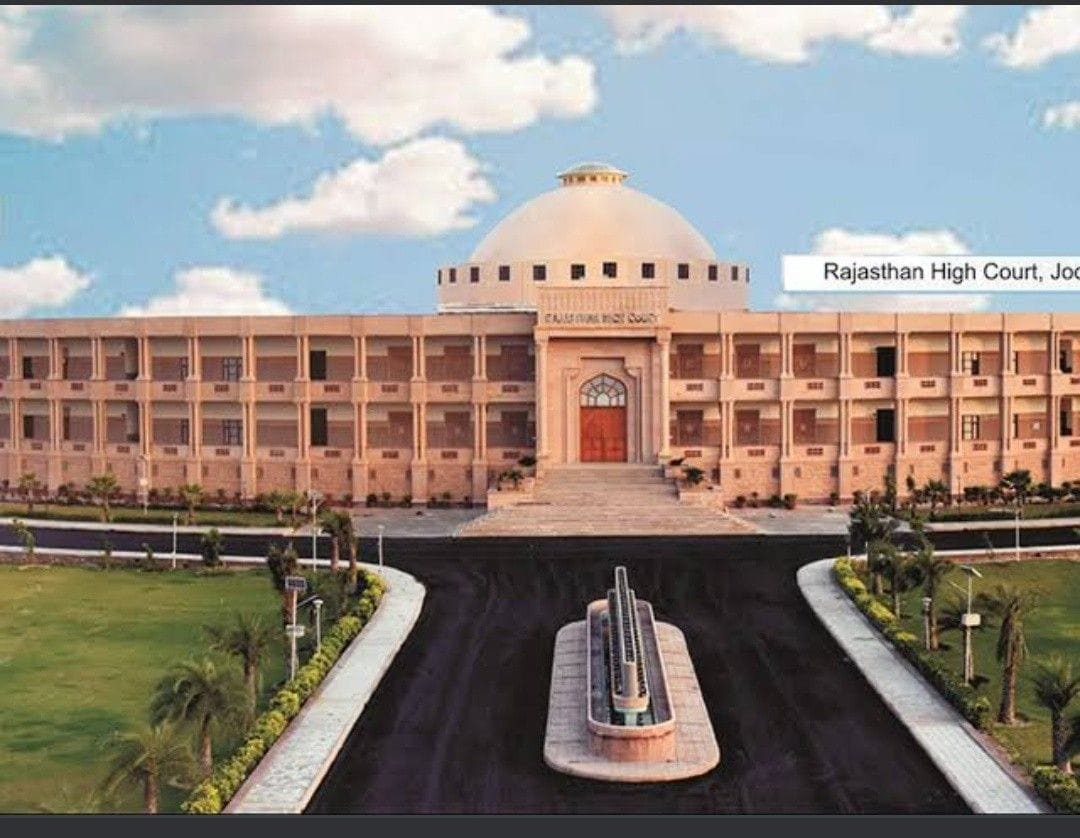
The Supreme Court unequivocally dismissed requests to shield Rajasthan district court employees from punitive action after their employees collectively exercised mass leave to protest delays in restructuring. In an important ruling, the Supreme Court stated that the staff in subordinate courts could not “hold the judicial system at gunpoint” by conducting a strike/collective leave. The ruling reiterated that judicial functions are an essential service that cannot be interrupted and that the courts can maintain strict discipline in the institutional environment.
The SC upheld the ruling of the High Court in convicting the accused of rape and house-trespass despite medical evidence being unsupportive, because the victim’s testimony invoked enough confidence in the court to not let lack of medical evidence overpower the testimony.
HARISH KUMAR v. AMAR NATH AND ANOTHER 5th August 2025 Factual Background The respondents made a request for specific performance…
” Zara si baat par sadiyon ke yaaraane gaye Chalo achcha hua kuch log yun hi pehchaane gaye ” US…
When I was a Judge in Allahabad High Court ( 1991-2004 ) I heard dozens of cases of Pakistanis who had come…