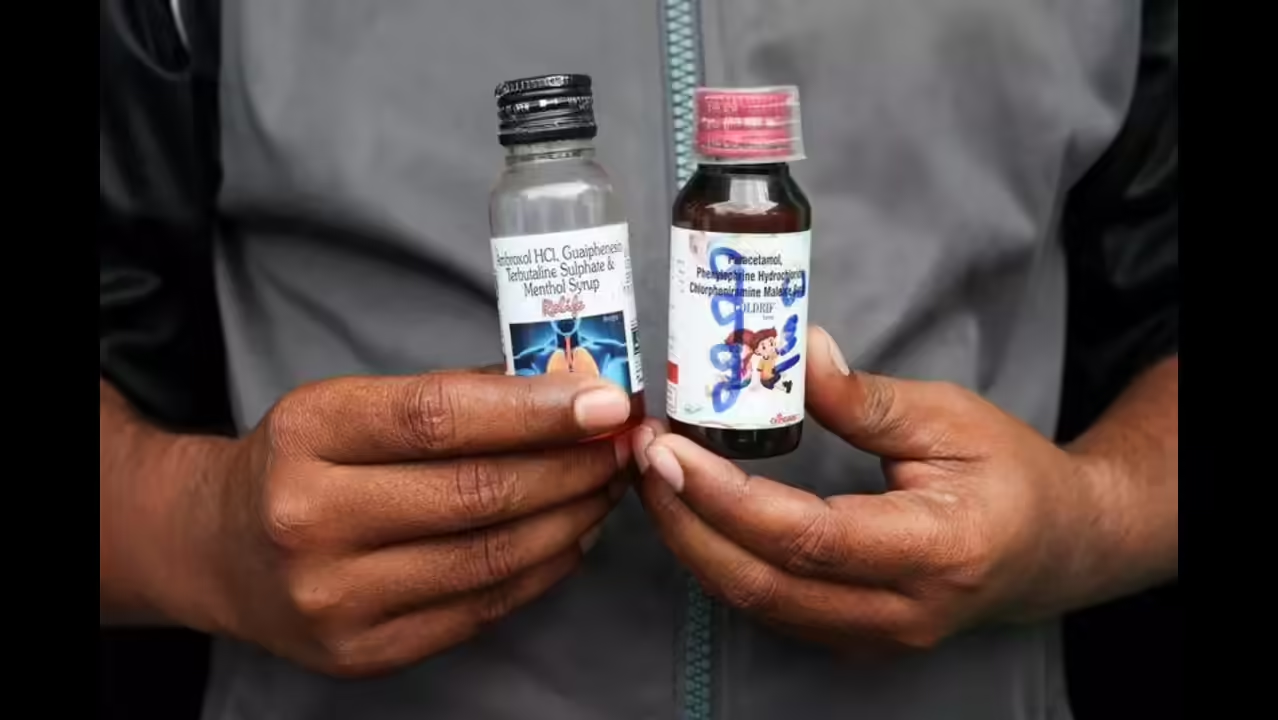
Your throat is scratchy. It is 12am at night. For decades, it was incredibly simple to solve: pop down to your local chemist, pay the 50-rupee note, and leave with the sweet, brightly colored liquid. That era is well and truly dead.
On 9th June 2026, the government of India dropped a regulatory hand-grenade on the pharmacy counter. Through the Drugs (Fifth Amendment) Rules, the Ministry of Health and Family Welfare quietly removed the word “syrups” from Schedule K of the Drugs Rules, 1945. That means, for you, the days of the over-the-counter cough syrup are officially numbered. You now require a valid doctor’s prescription, no matter what.
The reason behind the swift and abrupt move is utterly grim. A shocking number of children have died from contaminated liquid medication in parts of Madhya Pradesh, Rajasthan and even countries like Gambia and Uzbekistan. Unscrupulous manufacturers cut corners, using dangerous industrial solvents like diethylene glycol to cut costs. When that killed children, and the bodies piled up, regulators reacted in a panic. The government decided that to stop this, it was easier to ban all liquid oral medicines, across the board. But this sudden crackdown has thrown the average consumer into a new gray area, where attempting to circumvent it can lead to unexpected and alarming legal consequences.
The codeine trap and the NDPS Act
While many of us believe that purchasing medicine without a doctor’s note simply means the pharmacist faces the music if an inspector arrives, this can be a gross underestimation of the legal repercussions, particularly when codeine is involved.
Codeine is a narcotic. It is highly addictive, it’s the drug of choice for teenagers addicted to cough syrup and it’s heavily regulated. Previously, with cough syrups readily available over the counter, the line between medical use and recreational drug abuse had been blurred to non-existence. But now that the over-the-counter sale of these liquids has stopped, simply possessing a codeine based syrup without a valid and stamped medical prescription lands you not in violation of basic drug rules but the Narcotic Drugs and Psychotropic Substances Act.
The NDPS Act doesn’t discriminate. It is one of the harshest laws on the Indian statute book. If you are caught with a few bottles of illegal codeine syrup the police are not going to view you as just a sick citizen who didn’t make it to the clinic. They will see you as a narcotics possessor and the burden of proof will shift instantly to you. You can say goodbye to a straightforward process to obtain bail, and if quantities even for personal consumption are significant, expect prison time for up to a year or hefty fines, or both. All of this, because you wanted to suppress a persistent cough.
Forging the slip: A fast track to felony
Okay, so codeine isn’t the way to go. You want a simple, expectorant cough syrup, the non-narcotic kind. But the clinic is closed, and the pharmacy won’t make an exception. The temptation to whip up a quick, fake prescription on your phone to fool the tired chemist might be great. People do it all the time for medical leave, so what’s the harm?
You are treading on extremely dangerous ground. Submitting a falsified medical document is not a mere pharmacy offense. It is a straight-up criminal act under the Bharatiya Nyaya Sanhita. You are guilty of forgery. You are using a forged document as a genuine one. You are likely also guilty of cheating and potentially criminal conspiracy.Pharmacies are now legally mandated to keep rigorous records of every single bottle of syrup sold, along with the doctor’s registration number. Drug inspectors are authorized to carry out audits. When the pressure comes on following the contamination scandals, if they are caught out over a fake slip, the pharmacist will almost certainly rat you out to save their license. What seemed like a harmless shortcut for a late-night cough could suddenly land you with a police investigation for forgery, carrying sentences that could last for years.
The black market liability
Every ban leads to a black market. Already whispers of dodgy syrup vendors can be heard on the street and there is news of telegram groups coordinating illicit drop-offs. Buying anything from this black market carries its own specific liabilities. While primarily the Drugs and Cosmetics Act deals with sellers, distributors, and manufacturers, the police have immense discretionary powers to dismantle illegal distribution chains and you could be charged as an abettor, someone actively helping to violate national directives on health, especially when the whole point of the ban was to stop toxic substances getting into the supply chain in the first place. Hiring lawyers for such cases will be incredibly expensive, and defending yourself will drag on for months.
The new reality of self-medication
The days of easy, casual, over-the-counter self-medication for ailments like sore throats are officially over. The government has decided the free market was ultimately a risk too great to bear, a cost too high when children’s lives are on the line.
The entire burden of compliance now falls on the interaction between a doctor and patient. The government wants this interaction to be difficult. They want you to hesitate before visiting the pharmacy. They want you to see a professional. And now, attempts to bypass these new rules are carrying a far greater legal weight than the simple price of a cough syrup.