The only place in Bangalore that legally permits public protests is Freedom Park. By Sunday afternoon the allocated area for protests had already filled up completely. Rain poured steadily, and unrelentingly. About 500 individuals were there without any umbrellas or raincoats; standing shoulder to shoulder. They kicked off their protest with a rendition of the Preamble of the Constitution in Kannada.
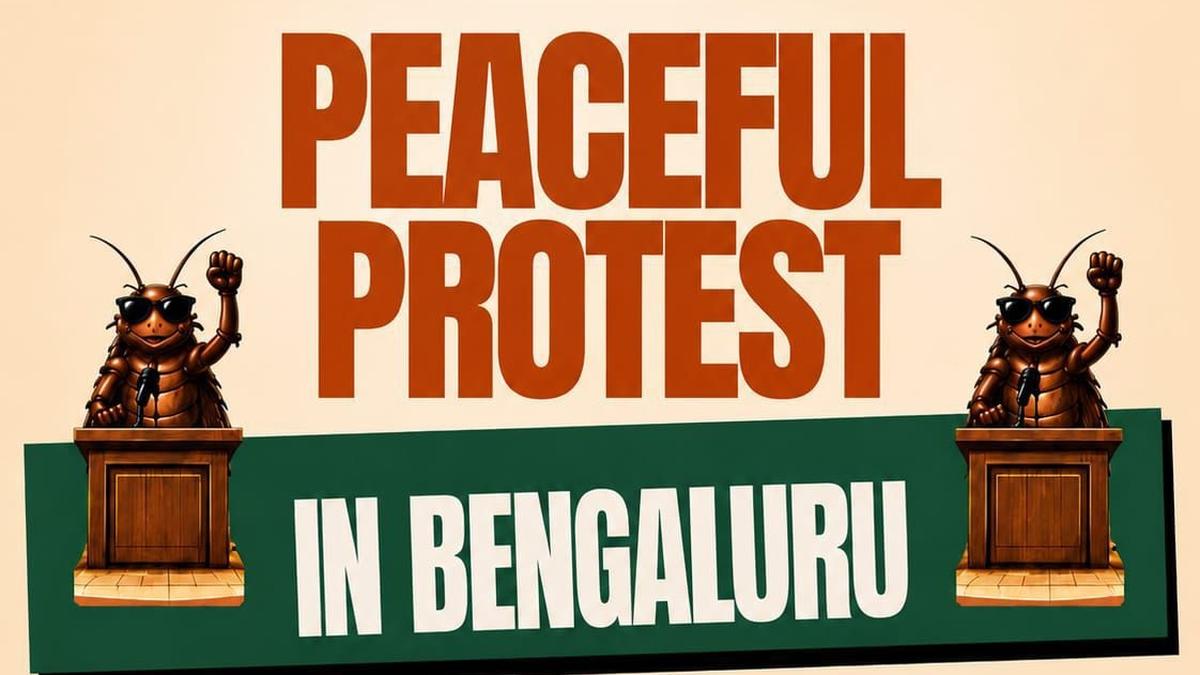
A freshly constituted body of citizens, ‘The Cockroach Janata Party’, had called the protest. A peculiar name for a political movement, but the resentment it represents is incredibly potent. Initially, the event was intended to primarily highlight the mega NEET question paper leak and the messy CBSE on-screen marking process, however, grievances quickly escalated. Loud slogans rose demanding to hold the Union government accountable for their anti-public criticism agenda. What started as a critique of a flawed system of examinations soon became a struggle for free speech and whistleblower protection.
Back at Freedom Park, the explanation for the bizarre moniker came from the leader, Abhijeet Dipke. Taking the stage he elucidated that when he and members of his collective filed a writ petition, and then a Public Interest Litigation to expose recruitment and examination scams, a member within the judicial system labeled the group as ‘cockroaches’. They chose to embrace the label, and wear it like a badge. Dipke addressed the gathered young supporters, calling them his ‘young cockroaches’, explaining that being labeled derogatory terms such as these is a sign of them having the courage to point out flaws within a corrupt system. Students and activists, he claimed, are called anti-nationals, or even terrorists when they try to present their facts to the nation. He mentioned how a 17-year-old student was once declared ‘Pakistani’ for questioning the examination process.
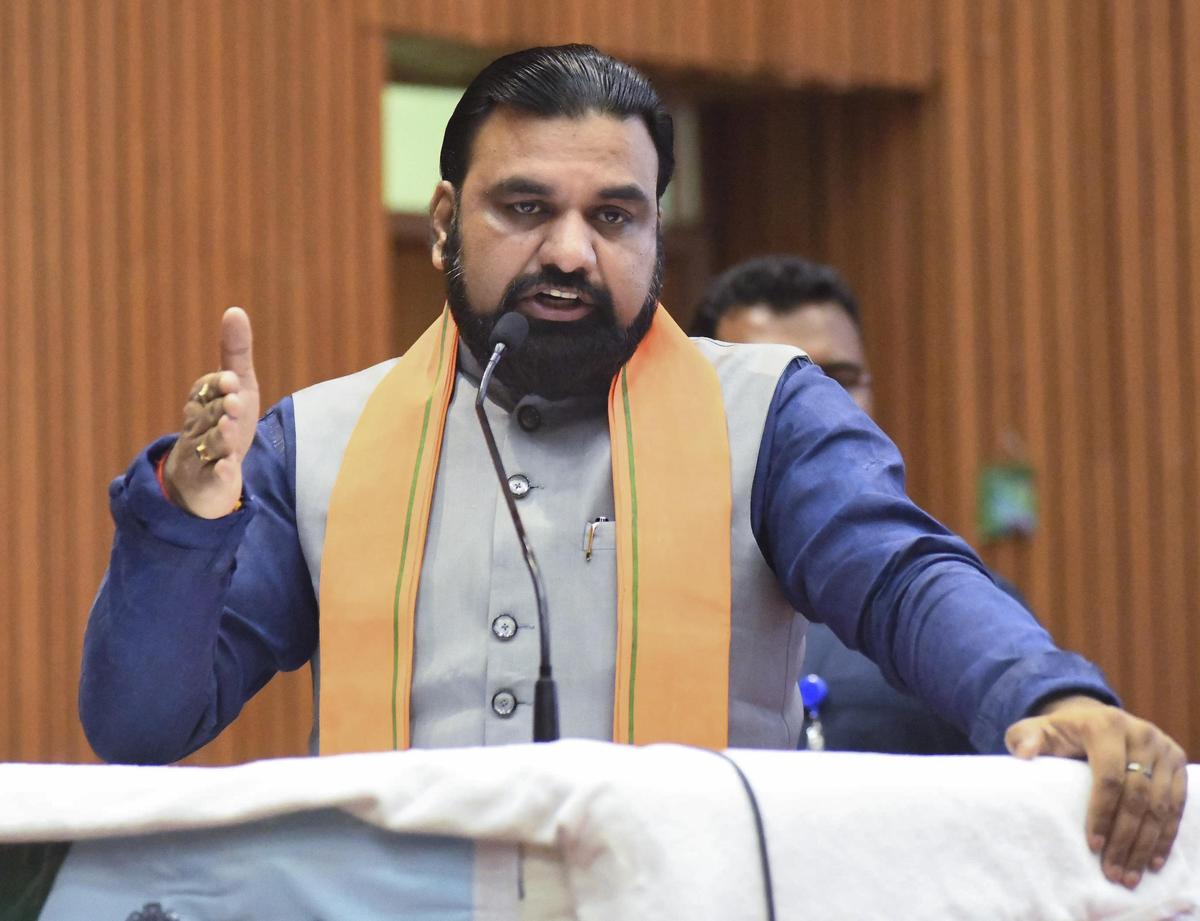
The first thing the protesters wanted, from the stage, was the immediate resignation of the Union Education Minister, Dharmendra Pradhan, from his position, for the total failure that the NEET exam conducted this year. Actor Prakash Raj, took his place on stage beside Dipke and directed the criticism towards Prime Minister Narendra Modi, questioning how, someone claiming to understand the entire political and educational machinery, could stay mum while the dreams of hundreds of students were shattered by exam leaks. Raj also applauded the students’ efforts to finally speak out and warned them against any attempts by politicians to malign them. Climate activist and education reformer, Sonam Wangchuk, was flown in for the cause. Raj proposed that Wangchuk take over the reigns of the Indian education ministry. However, Wangchuk vehemently rejected the idea and stated that while it needs someone with his beliefs, he absolutely does not want to be the minister and that true power lies with the voice of the people.
As evening approached, and the speeches progressed, so did the variety of concerns expressed. The speakers then began to talk about the emotional toll and the trauma that these examinations cause students and their families.Dipke highlighted how, hundreds of students who wanted to become doctors and serve the nation were being driven to the extent of suicide by the flawed examination system. He then went on to say how the nation’s ruling party relied on making every issue Hindu vs. Muslim, thus making Indians forget they areIndians first, which enables them to turn a blind eye to the rot within our educational system. Wangchuk also shared similar views on India suffering from not just a fiscal deficit but a massive trust deficit. Ordinary Indians were too afraid of the police and society to complain or question the current scenario, he concluded.
Not only were politicians the subject of public anger, the media also found itself at the center of it. The camera crews with their heavy tripods that were set up earlier in the afternoon, for live broadcasts by national news networks such as India Today, and IANS, were surrounded by enraged protestors at Freedom Park. They had to face ‘Godi Media go back’ slogans. The journalists tried to ignore the shouts but faced a barrage of accusations of them acting as mouthpieces of the Union government, rather than unbiased watchdogs. The chants lasted only about 5 minutes till some organizers of the protest managed to placate the frustrated crowd and bring the focus back to the stage.
Dipke closed his part on stage with an address that conveyed his courage and willingness to face the consequences. He spoke of his mother’s fear when he moved back to India from the US; fearing he’d end up in a jail cell due to his outspoken nature. He questioned the gathering of how long they’d be willing to let fear rule their minds, and ended with an assurance that, if speaking up for fair education and freedom of speech meant a life sentence in prison, he’d be the first to walk in.