May 1, 2026, is one of the dates that all game developers, players, and investors must put on their calendar. That is the time when the Promotion and Regulation of Online Gaming Rules are finally implemented in India. The Ministry of Electronics and Information Technology took months to hammer out the details with more than 2,500 stakeholders and the framework is finally available. It makes the rest of the Promotion and Regulation of Online Gaming Act enacted way back in late 2025 breathe life. It is not a mere policy adjustment.
We are witnessing a colossal restructuring of the way the nation runs its thriving online entertainment industry. Its main concept is the purification of the environment. The regulators would have liked to see the distinction between valid leisure activities and dodgy businesses that entrap users into financial nightmares. It has been some time coming to arrive and the government finally released the entire rulebook on April 22. Such brief notice only allows companies less than a week to learn the terrain before enforcing.
Who Now Runs the Show? The Birth of OGAI
Without a referee you cannot have rules. Join the Online Gaming Authority of India. This is the new six-member regulatory authority that will be the overall watchdog of the whole sector. The chairperson will be occupied by a high-ranking official of the Ministry of Electronics and Information Technology. They will not work alone, though. The authority attracts joint secretaries throughout the gamut of government, such as the home affairs, finance, sports, information and broadcasting and legal affairs. The inclusion of the Ministry of Home Affairs as a full-time member was a calculated action to consider cyber crimes and digital frauds as important issues of national security. This group has the authority to categorize games, inspect applications, and whip anybody who violates the law. They can intervene without any notification when a particular application begins to cast doubt on addiction or colossal financial losses. They do not need to await a formal complaint as the way to take action.
True Money vs. Social Fun.
This is the place the hammer falls. When an application entails betting real money with anticipation of a financial payback the gateway is totally closed. There is no room of ambiguity as regards to real-money games of chance in the new framework. They are forbidden categorically and even ineligible to seek any legal status. A huge blow to the sites that attempted to reason into the games of skill category, but continue to function as digital casinos. Casual social games, however, strike a very big fortune. They can be registered on a voluntary basis.
Developers are able to release their puzzles, farm simulators and trivia apps without a bureaucratic green light. In this case, the government used the light touch strategy deliberately so as not to kill innovation. Nevertheless, even the most popular social game may be compelled to become registered by the regulator in case it unexpectedly grows in size, is created in a rather dubious international location, or begins to appear as a disguised method to get money out of children.
Advancing the E-Sports Agenda.
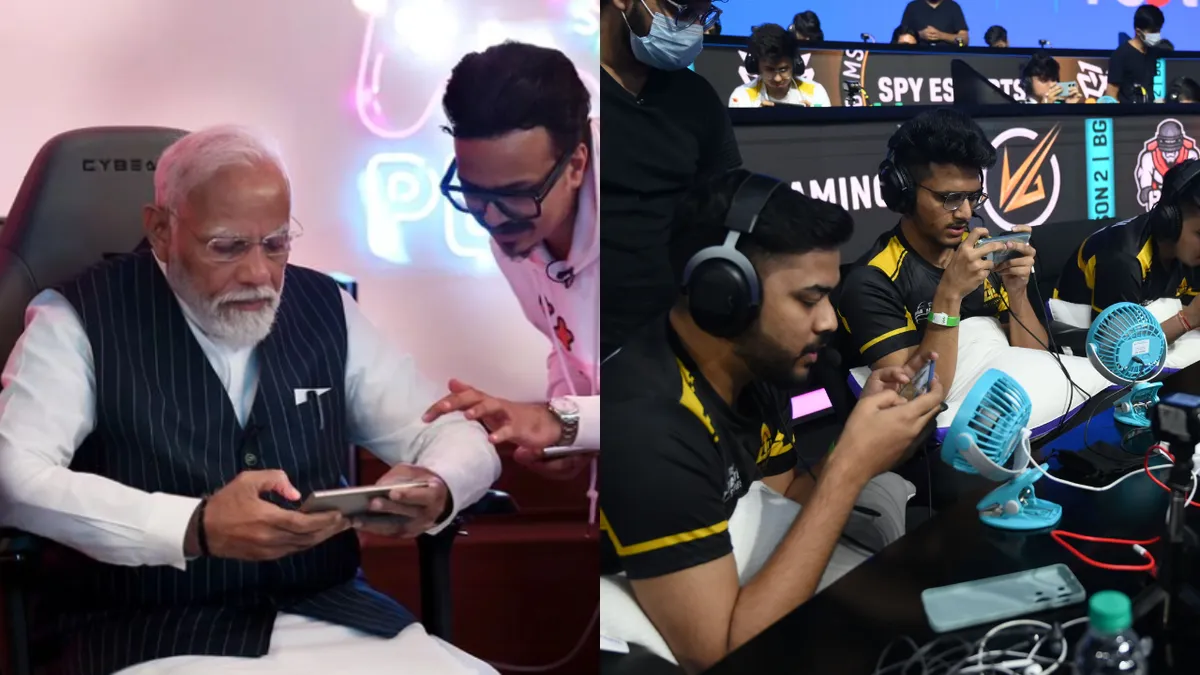
Competitive gaming is finally being given the respect it deserves. The regulations establish a clear, and well-shielded path of e-sports. Contrary to informal apps, e-sports platforms should be registered formally to be able to operate the country. Law enforcers would like to make sure that these websites are actually conducting skill tournaments and not a form of disguised gambling.
Need Help With Your PhD or LLM Thesis?
Explore our thesis and dissertation writing support services for PhD and LLM students. Get subject-specific academic assistance for your research project.
Explore Our Services →Upon a successful registration process of an e-sports company, they emerge with a digital certificate that is solid with a ten years validity. That is an enormous leap over the five-year license initially suggested in the initial drafts. Ten-year horizon provides companies with the confidence they require to make long-term sponsorship deals, rent colossal space to host physical tournaments and invest in local talent. It basically accords administrative gravity on digital athletes similar to traditional sports leagues. The industry had a great demand of long-term certainty, and the regulators actually responded.
Safety of the players is in focus.
These rules were obviously inspired by the horrifying stories about young teenagers debasing their parents bank accounts to purchase digital loot boxes. In the new mandate, the protection of the end user is written in nearly every page. Platforms now need to bake hard technical security measures into their code. We are discussing the compulsory age verification to prevent access to unsuitable content by minors.
Tight time restrictions will automatically cut players when they spend an excessive amount of hours in a row staring at a screen. Parental controls are no longer the desirable (but not compulsory) trappings; they should be on the front line, simple to read, and impossibly difficult to circumvent by an intelligent ten-year-old. The developers should also direct links to counseling services to players with problems with gaming habits. Any company that is found concealing these features or rendering them hard to use is subject to instant punishment. A lot of emphasis is placed on avoiding compulsive habit before it destroys the finances of a family.
Hampering the Money Trail.
All these changes are logistical nightmares to implement on millions of smartphones. The government knew that they could not police all the applications downloaded in the app stores. They are instead choking off the money supply. The frontline implementation of the online gaming laws is now done by financial institutions, payment gateways and daily banks. A bank has to confirm the appropriate legal status of the app before it can process a transaction made on a gaming platform.
In case the regulatory authority suspects a platform to be an illegal real-money betting ring, banks have legal duties to freeze those transaction flows immediately. In this approach the onus of detection is taken off the surveillance by the internet at all times and placed squarely on trace the cash. It is an efficient method of starving illegal activities without having to have a huge police force. In the absence of normal payment gateways, black market places will not survive in the mainstream market.
Dealing with Complaints and DisagreementThings will always go astray. Players will be banned in an unjust manner. In game purchases will malfunction. These new rules require a two-level approach that is strict in dealing with these headaches. To start with, the gaming companies should establish their own internal grievance committees to address player grievances promptly. In case the first point of contact fails, the unhappy player may take the matter straight to the recently established regulatory body. Should the decision made by the authority still be wrong, then there remains the last option of appealing to the IT Secretary. This whole process was given a tough ninety days deadline by the government
Making enforcement and punishing actions of companies all online, it will also not need to drag the court battles through paper pushing, unless it is a matter of necessity. Fines are not fixed and aggressive in the way that they are dependent upon the volume of money the company earned during violating the rules and the harm they caused to the users.The new online gaming regulations in India as planned in May 1This broadcast gives a good general idea of the new regulations and how they will directly affect the game companies and the end users.