Delhi Police Detain Influencer Amir Shokeen for Racial Comments
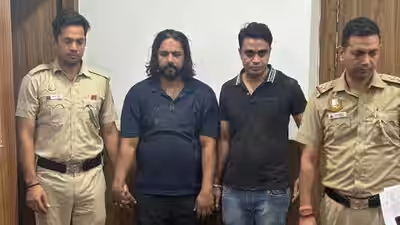
The Delhi Police apprehended digital content creator Amir Shokeen on 22 October 2026 following a hate speech video allegedly exhibiting racist comments towards a teenage boy from Tripura. The video has attracted extensive condemnations and raises issues surrounding the bounds of humour, on online content and freedom of speech.
The accused, identified as Shokeen aka Muhammad Amir, was arrested from Karol Bagh after a criminal case was registered by the police in connection with the video. The video allegedly has the accused questioning the teenager about his name, making comments about his appearance, and ridiculing his ties to Tripura.
The controversy drew the interest of political leaders, student organisations and members of the public in Northeast India.
The FIR, which was filed under sections 192, 196, 352 and 353 of the Bharatiya Nyaya Sanhita, 2023, involves various types of provocation, promoting enmity, willful insult, and statements that could lead to public mischief.
The court has sent Shokeen to one day judicial custody. For now, the probe is ongoing and his custody does not imply his involvement in the criminal act.
What Did Amir Shokeen Say in the Viral Video?
The controversy started when a video of Shokeen with a boy from Tripura was shared on Instagram.
Need Help With Your PhD or LLM Thesis?
Explore our thesis and dissertation writing support services for PhD and LLM students. Get subject-specific academic assistance for your research project.
Explore Our Services →Reports state that he questioned the youth about his background, comparing him to a Chinese man, and made fun of his name, looks and home state.
The footage was also criticized because residents of Northeast India have long protested against racial stereotyping and discrimination in other parts of the country.
After the outrage, Shokeen made an apology video. He said that the conversation was scripted and was meant to be a form of entertainment. He said that he knew the kid and never meant to harm anyone.
But police allegedly denied that the encounter was staged. The young man later revealed that he was unaware that the encounter was being filmed.
The young man said to have forgiven Shokeen is reported to have done so, yet the criminal proceedings have not ended.
The debate about the whether the video was scripted could come into play when authorities look into the context in which it was produced and its intended impact.
What is the BNS Section 196 on Racial Remarks?
A person who directly or indirectly incites or attempts to promote disharmony, hatred or ill will between different groups on ground including religion, race, language, place of birth, residence, caste or community.
The rule would protect speech, writing, signage, visual displays, electronic communication and such other media.
Thus, a video published on social media might be protected under Section 196 if the video content meets the requirements of the offence.
But the mere use of an offensive word does not necessarily amount to the act of propagating disharmony between different groups. The authorities need to consider the actual words used, the context, the group concerned and whether the conduct falls within the provisions.
For instance, the police resorted to Section 196 in the Shokeen case, as the allegations were against a person from Tripura and made racist and regional remarks.
The determination of whether the video legally was an instigation to promote enmity will all hang on what it can prove with the evidence and how the courts interpret the law and the criteria.
Can an Insult Become a Criminal Offence Under Section 352?
Section 352 BNS Intentional insult with intent or knowledge that it will likely breach the peace or will likely cause the commission of another offence.
The provision makes no crime of every rude remark, offensive joke or personal insult.
In order to prove criminal liability, the prosecution needs to prove the elements of this section. These are; a; there must be an intentional insult and, b; the elements of provocation and, c; of the possibility of a breach of the peace or other crime.
For instance, someone who made an distasteful jest about someone else’s appearance would be easily condemned socially, without it necessarily amounting to a contravention of Section 352.
The result may not be the same where an insult has been intentionally or recklessly introduced into a context where it is intended or known to be likely to cause unlawful conduct.
This is important because offences against the state and society are not dealt with in the same way.
Why Have Sections 192 and 353 Also Been Invoked?
Section 192 of BNS deals with wanton provocation with the intent or knowledge that such provocation is likely to cause riotous conduct.
Is given more than the mere uttering of an insulting statement. There are three elements to prove: the relevant illegal act, provocation, and the statutory mental element.
Section 353- Statements conducing to public mischief. It applies to certain types of making, publishing or circulating statements, false information, rumours or reports that may lead to the events set out in this section.
Some sections of section 353 relate to claims or statements which are likely to make people to panic or incite to offences against public tranquillity. One section relates to the comments that motivate hatred, enmity or ill-will between particular groups.
These provisions are not broad bans on unpopular humour.
In a criminal prosecution, the state needs to specify which component of the law applies and prove that it is fulfilled by the conduct in question.
Whether or not a video goes viral or is heavily criticised does not amount to an offence under either section.
Does Article 19 Protect Offensive Jokes and Social Media Content?
Article 19(1)(a) of the Constitution provides for the right to freedom of speech and expression. As for information and communication, this right covers communication via the internet, satire, criticism, comedy, etc.
However the right is subject to the following restrictions are reasonable restrictions on the freedom of speech: public order, defamation, decency and morality, and incitement to an offence (Article 19(2).
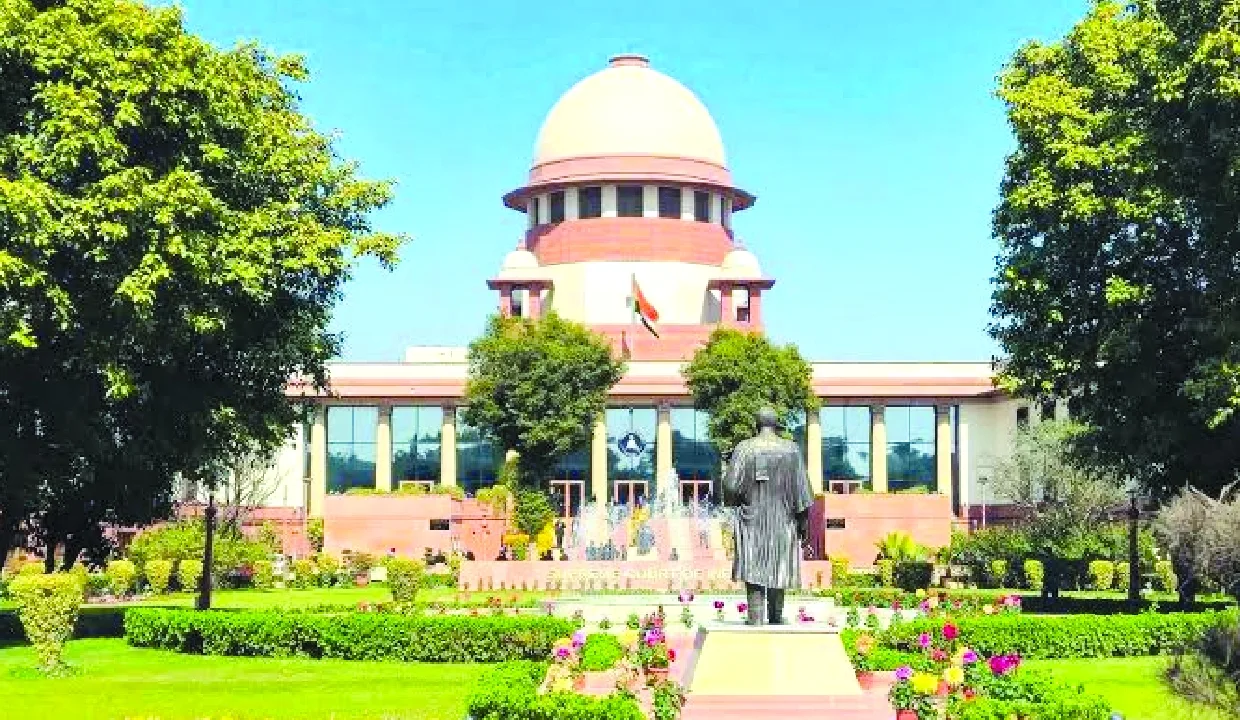
Time and again, the Supreme Court has made it clear that restrictions on expression would have to be within the constitutional framework.
The Supreme Court of India struck down Section 66A of the Information Technology Act, 2000 in Shreya Singhal v. Union of India (2015). The Court clarified the difference between discussion, advocacy and incitement and held that the criminal restrictions of that section were too broad to be justified by feelings of annoyance or offence.
Judgment also continues to have value in the context of criminal behavior that results from online communication.
It does not mean that all of the social media videos will be immune from prosecution. The Speech which falls under the elements of a crime of an offence can also face prosecution.
Even so, it is still the duty of the police and courts to try to tell the difference between offensive content and a criminal offence that the law says is not allowed.
Is Referring to a Video as a Joke the Top social role for a Influencer to Avoid Criminal Penalties?
If a video is comedy, satire or clearly scripted or acted out, this does not necessarily mean a person is exempt from being a criminal.
The courts also look at the nature of the conduct and do not just accept the label.
The context of the videothe language usedthe identity of the people involvedthe situation of recordingthe particular intention or knowledge involved.
But on the other hand it cannot be accepted that the fact that a video was meant as humour is just to be dismissed. If a criminal offence involves a certain state of mind or knowledge, then circumstances are to be investigated to find this.