Ajmer Court Takes Up Defamation Case Against Drishti IAS Founder for Judiciary Remarks
Introduction So, July 9th, 2025 picture this: Ajmer’s Judicial Magistrate Court No. 2 kicks off a defamation case against Dr…
Keeping Pace with Legal Change
Introduction So, July 9th, 2025 picture this: Ajmer’s Judicial Magistrate Court No. 2 kicks off a defamation case against Dr…
The Honble Supreme Court of India has recently given an important judgment in the matter of Mala Devi versus Union…
The Supreme Court of India in a recent case has considered a case of extreme disturbing nature where four people…
In a landmark judgment passed by the Supreme Court of India on 16th July, 2025 in the case of KRISHNA…
Background of the Case The case? Criminal Case No. 22490/2018 fancy number for what’s basically Harkesh Jain taking on Anil…
Portion of a July 16, 2025 Supreme Court of India decision in an appeal examined by Birka Shiva versus The…
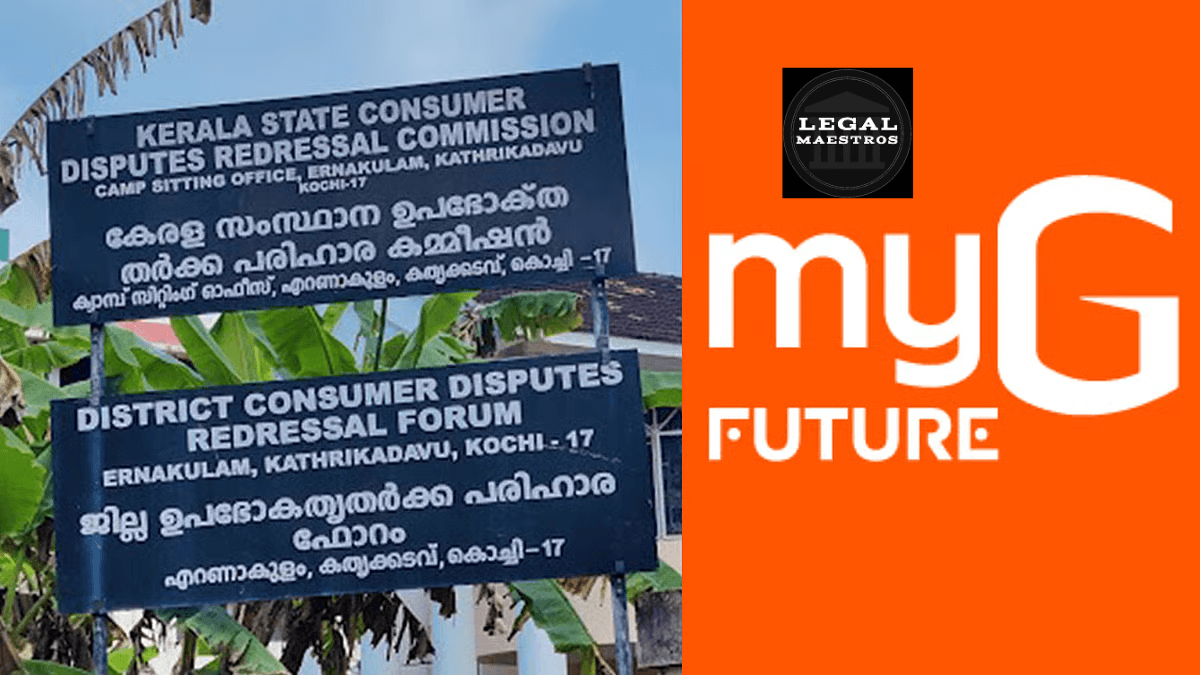
Kerala Consumer Court Fines myG Future ₹15,000 for False Biriyani Pot Discount Claim So, get this on June 27, 2025,…
In M/S United Spirits Ltd. v. State of Madhya Pradesh (2025), the Supreme Court ruled that liquor manufacturers are responsible for payment of entry tax under the Madhya Pradesh Entry Tax Act, even if they supply goods to government warehouses. The Court held that manufacturers “cause entry” of goods for sale and maintain control until the goods arrive at retailers’ hands. Government warehouses are only intermediaries and not dealers. The ruling makes clear dealer liability in compliant commodity chains and thwarts abuse of procedural arrangements to avoid tax.
In Binod Pathak & Ors. Vs. Shankar Choudhary & Ors., the Supreme Court emphasized the statutory obligation of the pleaders under Order XXII Rule 10A CPC to report the death of a client. It held that defaults of procedure should never defeat substantive justice, particularly such defaults resulting from mala fide silence. Revoking the order of the Patna High Court, the Court held that no one shall profit from their own iniquity, upholding fairness and moral legal practices.
The Supreme Court reversed its previous order in favour of granting custody to the father on 15 July 2025 and reinstated permanent custody with the mother on grounds of severe psychological damage to the child. The Court highlighted that custody disputes have to be resolved with a view to a child’s emotional stability and not legal conclusiveness.