Supreme Court

Supreme Court Acquits Accused After 15 Years; States that It Is Upon Prosecution to Make A Case.

When Mangesh died from a gunshot via his friend Vaibhav’s father’s pistol, conflicting narratives emerged. While the High Court emphasized Vaibhav’s suspicious conduct post-incident, the Supreme Court acquitted him, citing lack of motive, inconclusive bullet trajectory analysis, and the prosecution’s failure to disprove suicide. The judgment highlights evidentiary thresholds in circumstantial cases and the accused’s right to silence when the state’s case remains unproven

Supreme Court

Dual Duty of Advocates: SC’s Verdict in Eswaranathan vs. State by Justice Satish.C Sharma

After the first SLP contesting the same High Court order was rejected, the Supreme Court of India conducted an investigation into the wrongdoing of counsel who had filed a second SLP challenging the same verdict. Although there was a difference of opinion over the harshness of penalty, the court placed an emphasis on the responsibilities of advocates, the significance of ethical behavior, and the consequences of incorrectly employing legal procedures.

Supreme Court

Justice Narasimha’s Landmark Ruling in Adavya Projects v. Vishal Structurals: Redefining Arbitration Party Impleadment Rules

In the case of Adavya Projects v. Vishal Structurals, the Supreme Court made it clear that the failure to serve Section 21 notice does not impede impleadment in arbitration provided the parties accepted to the arbitration agreement. This decision highlights the fact that the jurisdiction of the tribunal is derived from consent rather than from compliance with the procedures.

Supreme Court

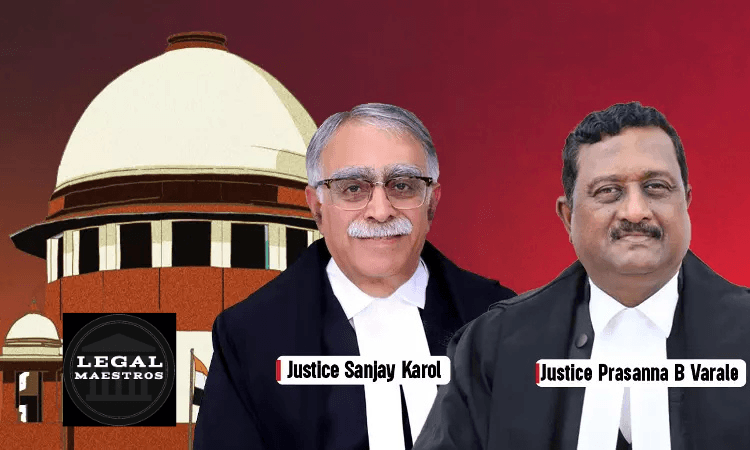
Supreme Court Clarifies Bail Norms in Ankit Mishra v. State of Madhya Pradesh – Justices P.Kumar Mishra and justice sanjay karol

In the case of Ankit Mishra v. State of Madhya Pradesh, the Supreme Court supported the decision of the High Court to give anticipatory bail to a man who had committed many offenses. With a focus on judicial discretion in accordance with Section 438 of the Criminal Procedure Code, the ruling investigates the legal criteria for granting or canceling bail.