Supreme Court

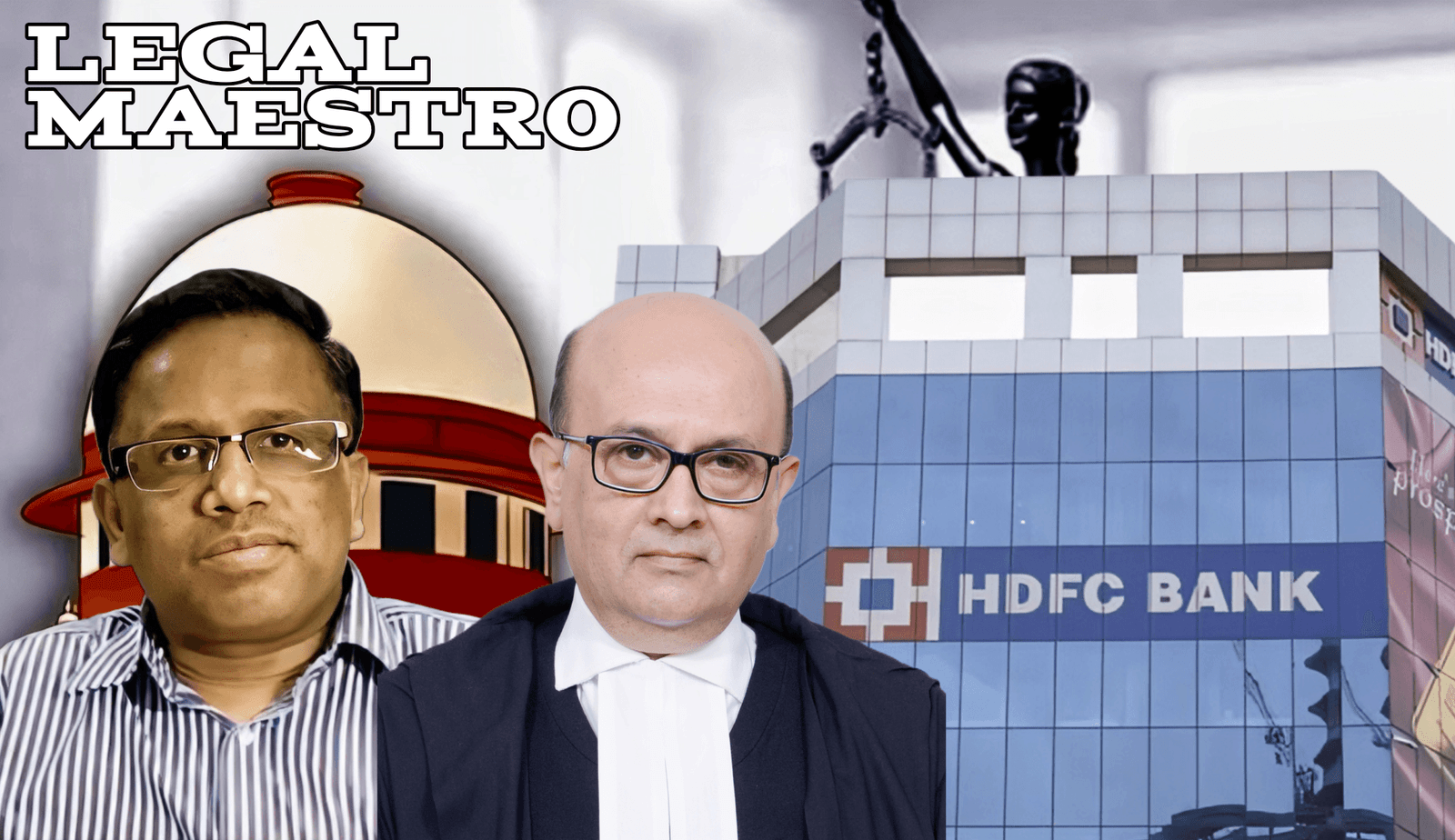
Justice Misra and Justice Viswanathan Explain Director’s Legal Duty in HDFC Bank Cheque Case

Section 141 of the National Insurance Act is the subject of this article, which provides an analysis of a Supreme Court case that clarifies directors’ vicarious liability. It places an emphasis on the necessity of precise allegations in complaints and draws attention to the delicate balance that must be maintained between preventing dishonor of checks and safeguarding individuals from unjustified punishment.

Supreme Court

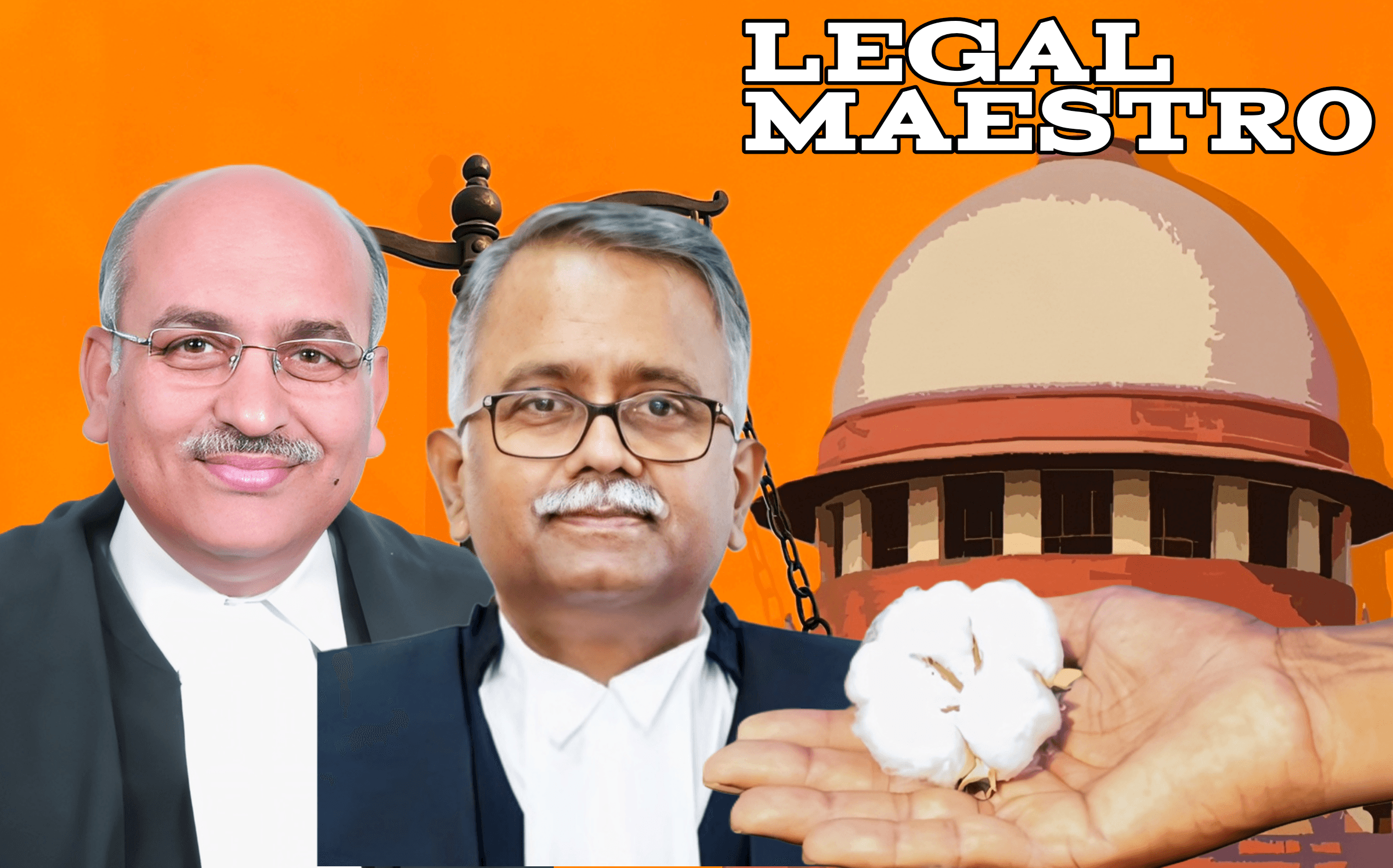
Supreme Court Ends Double Tax on DTH Services: State of Kerala vs. Asianet, Justice Nagarathna’s Judgment

A dispute that had been going on for a long time regarding the dual taxation of DTH services was finally decided by the Supreme Court in 2025. In doing so, it affirmed the Center’s exclusive jurisdiction under the Union List and declared that the entertainment tax that the state imposes on broadcasting services is unlawful. In addition to invalidating overlapping and discriminatory taxation rules, the Court placed considerable emphasis on legislative competence, and it underlined the need of content and pith.

Supreme Court

Entry 31 List I of the Seventh Schedule to the Constitution confers exclusive power on Parliament over broadcasting and telecommunications including DTH

Entry 31 of List I in the Seventh Schedule of the Indian Constitution vests Parliament with exclusive authority over broadcasting, telecommunications, postal services, and allied communication forms. This provision ensures uniform regulation of Direct-to-Home satellite transmission across India, prohibiting states from enacting conflicting legislation in these sectors nationwide.

Supreme Court

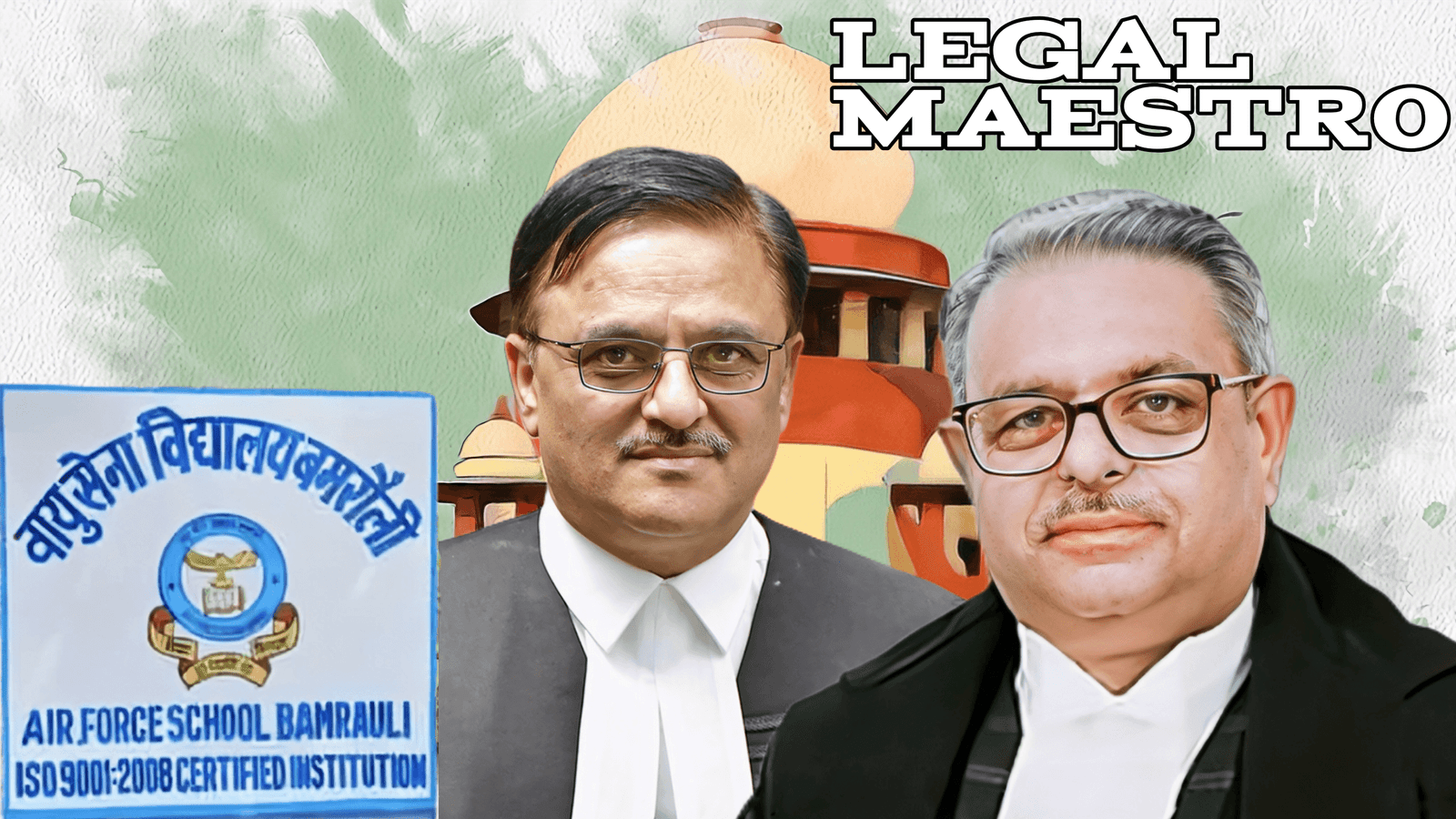
When Private Institutions Wear a Public Mantle: The Air Force School, Bamrauli Case Judgment by Justices Abhay S. Oka and Augustine George Masih

The ruling that was handed down by Justices Abhay S. Oka and Augustine George Masih in the case of Dileep Kumar Pandey v. Union of India and Others (Civil Appeal Nos. 10899 & 11378 of 2013) said that the Air Force School at Bamrauli is considered to be a state authority in accordance with Article 12 of the Constitution. The Court came to the conclusion that the private society was changed into a public instrumentality as a result of the pervasive control exercised by the government. This control was exercised through funding, administration by serving officers, regulated pay schedules, and disciplinary authority. In light of this, the actions taken by the School that have an impact on the working conditions of teachers are subject to writ jurisdiction in accordance with Article 226. Through this precedent-setting decision, it is reaffirmed that organizations that carry out public responsibilities under the authority of the government cannot avoid constitutional accountability.

Supreme Court

Ensuring Safe and Encroachment-Free Highways: A Landmark Ruling by Justices Abhay S. Oka and Augustine George Masih

The Supreme Court of India addressed a significant issue that affects millions of people in India on a daily basis in the writ petition Gyan Prakash v. Union of India & Ors. [Writ Petition (C) No. 1272 of 2019]. This issue is the unlawful encroachments on National Highways and the direct impact that these encroachments have on traffic safety. Concerning the urgent need to enforce the requirements of the Control of National Highways (Land and Traffic) Act, 2002 (which will be referred to in the following paragraphs as “the 2002 Act”) and its related rules, the case was presided over by Justices Abhay S. Oka and Augustine George Masih.

In the petition, the alarming number of fatalities that have occurred as a result of highway accidents was brought to light, and the petition sought the Court to compel the authorities to apply regulations that are designed to ensure the safe and legitimate use of roadways.