Current Legal Update

How Google’s Search Algorithm Incorporates Privacy Protections in the Age of AI and Deepfake Regulations

In a time of AI-driven false information and government scrutiny, Google’s Search algorithm develops to include strong privacy protections. Google strikes a mix between user privacy and content integrity and legal compliance by using federated learning, differential privacy, on-device processing, and powerful deepfake detection capabilities.

Current Legal Update

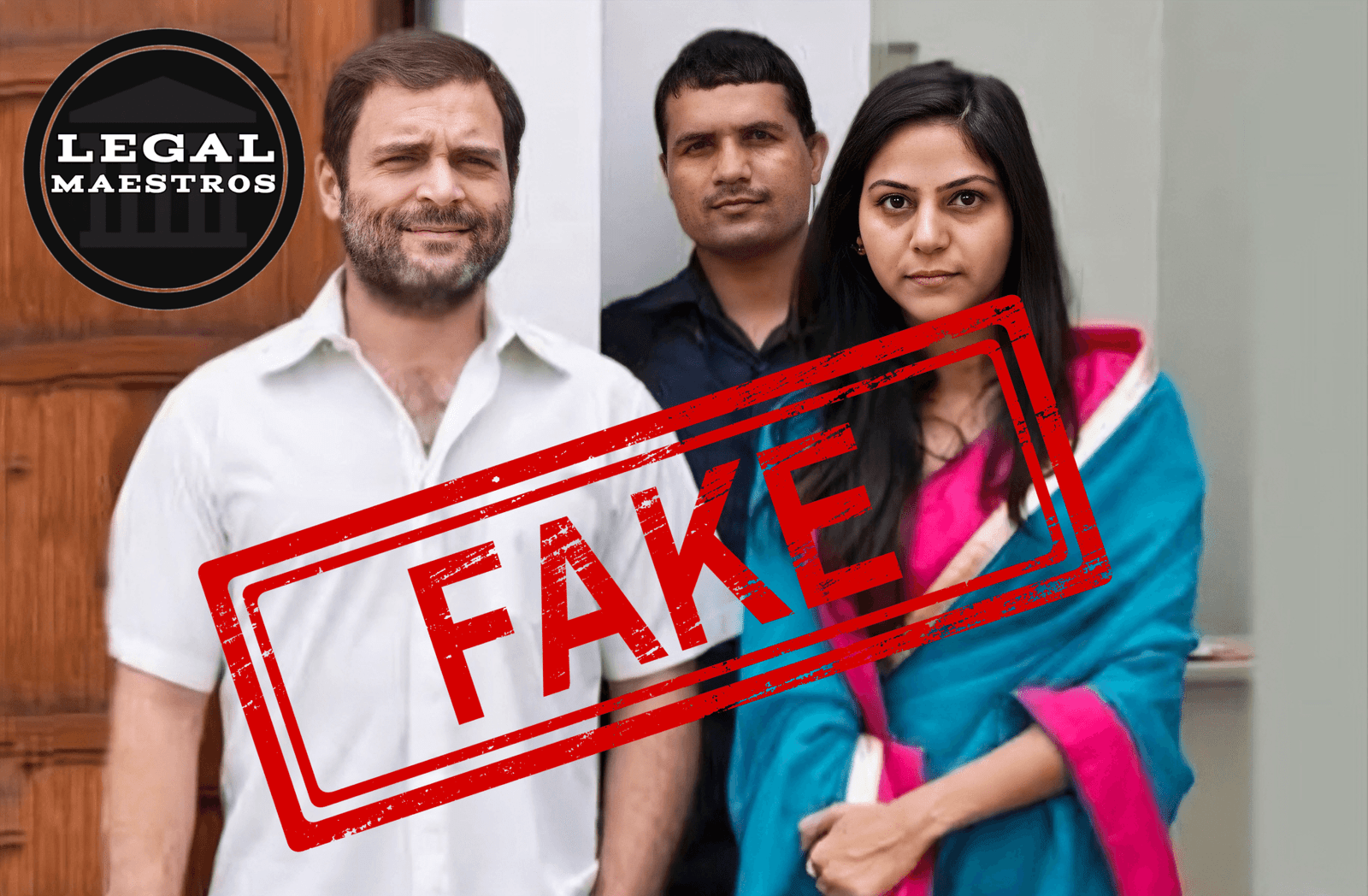
Rahul Gandhi and Jyoti Malhotra Fake AI-Generated Image : How Bharatiya Nyaya Sanhita and Deepfake Laws Address Misinformation

An artificial intelligence-generated image showing Rahul Gandhi next to journalist Jyoti Malhotra has sparked fresh worries about deepfake-driven false information in India. This paper looks at how such fabrications could compromise public opinion in media, damage reputations, and skew public debate. Focusing on clauses against false evidence, forgery, and defamation, it investigates the legal remedies accessible under the Bharatiya Nyaya Sanhita (BNS) and takes complementing protections in the Information Technology Act, 2000 into consideration. The study offers a whole picture of India’s developing framework against AI-enabled lies by stressing procedures for punishing makers and distributors of misleading information as well as the responsibilities of intermediaries to remove damaging deepfakes.

Supreme Court

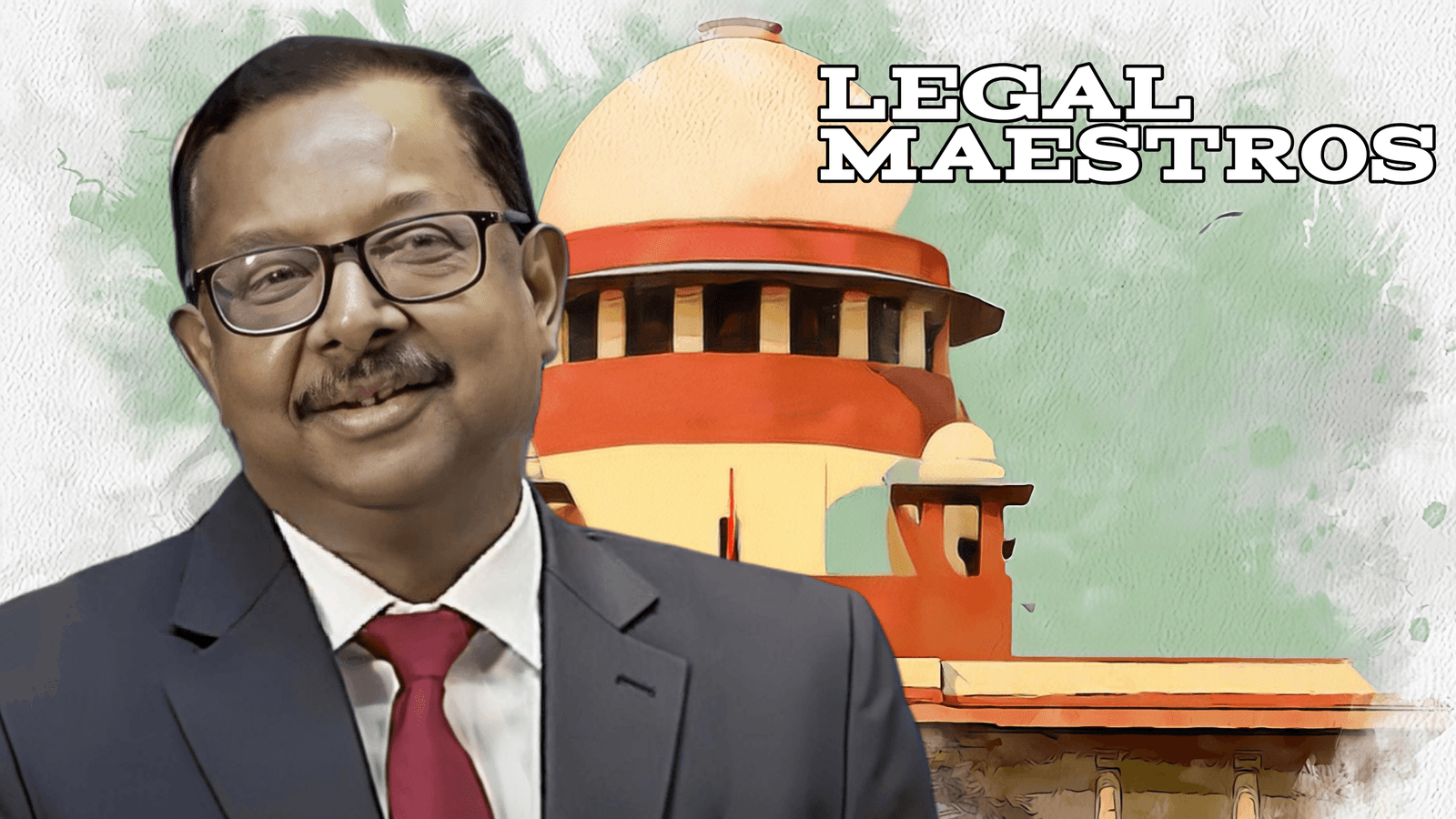
Supreme Court Clarifies Evidence Rules in Sameer Sandhir v. CBI (2025) — Justice Abhay S. Oka

The decision that the Supreme Court made in the case of Sameer Sandhir v. CBI (2025) is dissected in this article. Particular attention is paid to the admission of omitted evidence post-chargesheet in accordance with Sections 173(5) and 173(8) of the Criminal Procedure Code, as well as the treatment of electronic evidence in accordance with Section 65B of the Evidence Act.