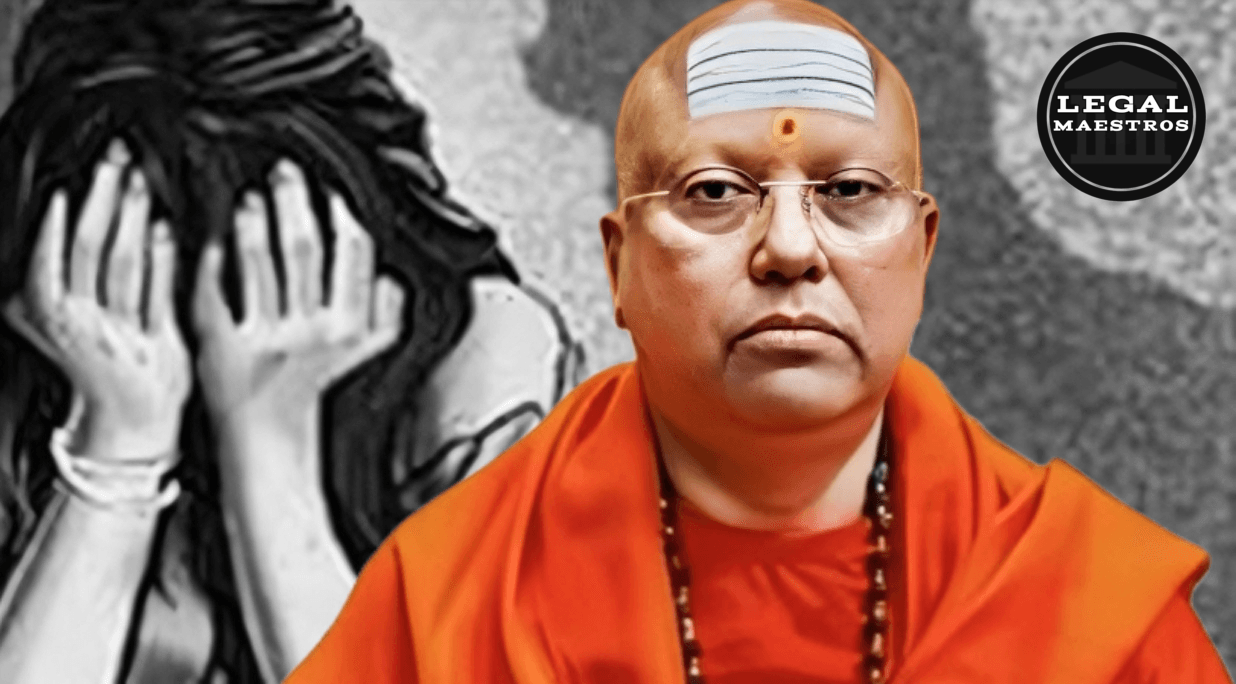
Delhi Police Book Self-Styled Godman Swami Chaitanyananda Saraswati for Molesting 17 Female Students
A Law Review of the Case Charged against Self-Styled Godman Swami Chaitanyananda Saraswati. The current saga of Swami Chaitanyananda Saraswati,…
Keeping Pace with Legal Change
A Law Review of the Case Charged against Self-Styled Godman Swami Chaitanyananda Saraswati. The current saga of Swami Chaitanyananda Saraswati,…
There in a recent case the Delhi High Court in a decision that has far-reaching implications to the press and…
The legal aspects of marriage in India have marked a radical and a historic transformation. Although this once might be…
The case deals with the protracted dispute of the property located in Bengaluru and involves both the civil and criminal…
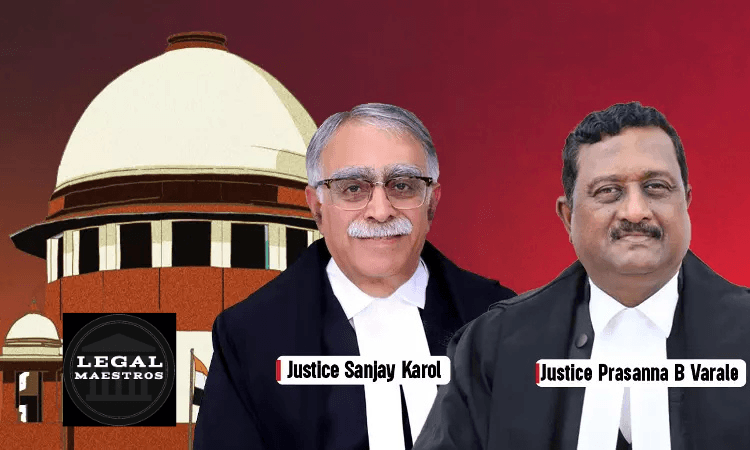
The Supreme Court invalidated a Patna High Court order permitting narco-analysis in a dowry death case, reaffirming constitutional protections against self-incrimination and ensuring that involuntary or standalone narco-analysis evidence cannot support conviction, emphasizing due process and fundamental rights and dignity.
Section 25 of the Bharatiya Nyaya Sanhita, 2023, stipulates that an act not intended or known to likely cause death or grievous hurt is not an offense if the person harmed is over eighteen and has consented to the risk. For example, if two adults agree to fence for amusement and one is injured without foul play, no offense is committed.
Section 24 of the Bharatiya Nyaya Sanhita, 2023, addresses the issue of criminal liability in cases where an offense requires specific intent or knowledge, and the act is committed under intoxication. According to this provision, if an individual voluntarily becomes intoxicated and commits such an offense, they are held legally responsible as if they possessed the required intent or knowledge, regardless of their impaired state. However, if the intoxication was involuntary—meaning the substance was administered without their knowledge or against their will—this may serve as a defense, acknowledging that the individual lacked the capacity to form the necessary intent or knowledge due to the involuntary intoxication.