













Judicial Legacy of Justice Sanjiv Khanna: A Comprehensive Analysis of His Landmark Judgments
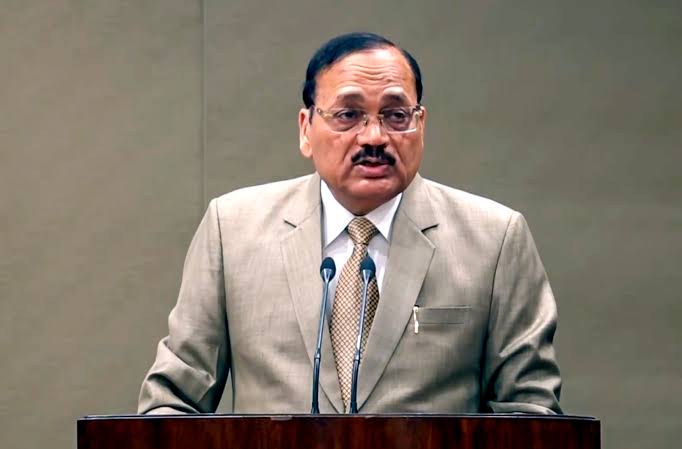
During his time on the bench of the Supreme Court, Justice Sanjiv Khanna has made decisions that are principled and balanced as they pertain to constitutional law, electoral law, family law, and administrative law. These opinions have had a considerable impact on Indian jurisprudence. The nuanced approaches to RTI transparency, the invalidation of the Electoral Bond Scheme, the confirmation of VVPAT integrity, and the upholding of the abrogation of Article 370 are some of the significant opinions that he has issued. He utilized Article 142 for the purpose of providing direct divorce relief, fought for the implementation of stringent procedures in environmental approvals, and refined revisions to arbitral awards. A combination of judicial restraint and involvement, the protection of individual rights, the promotion of procedural fairness, and the preservation of institutional autonomy are all included in his rulings. In the future, courts and litigants will look to Justice Khanna’s legacy as a guiding beacon for their proceedings.