Current Legal Update

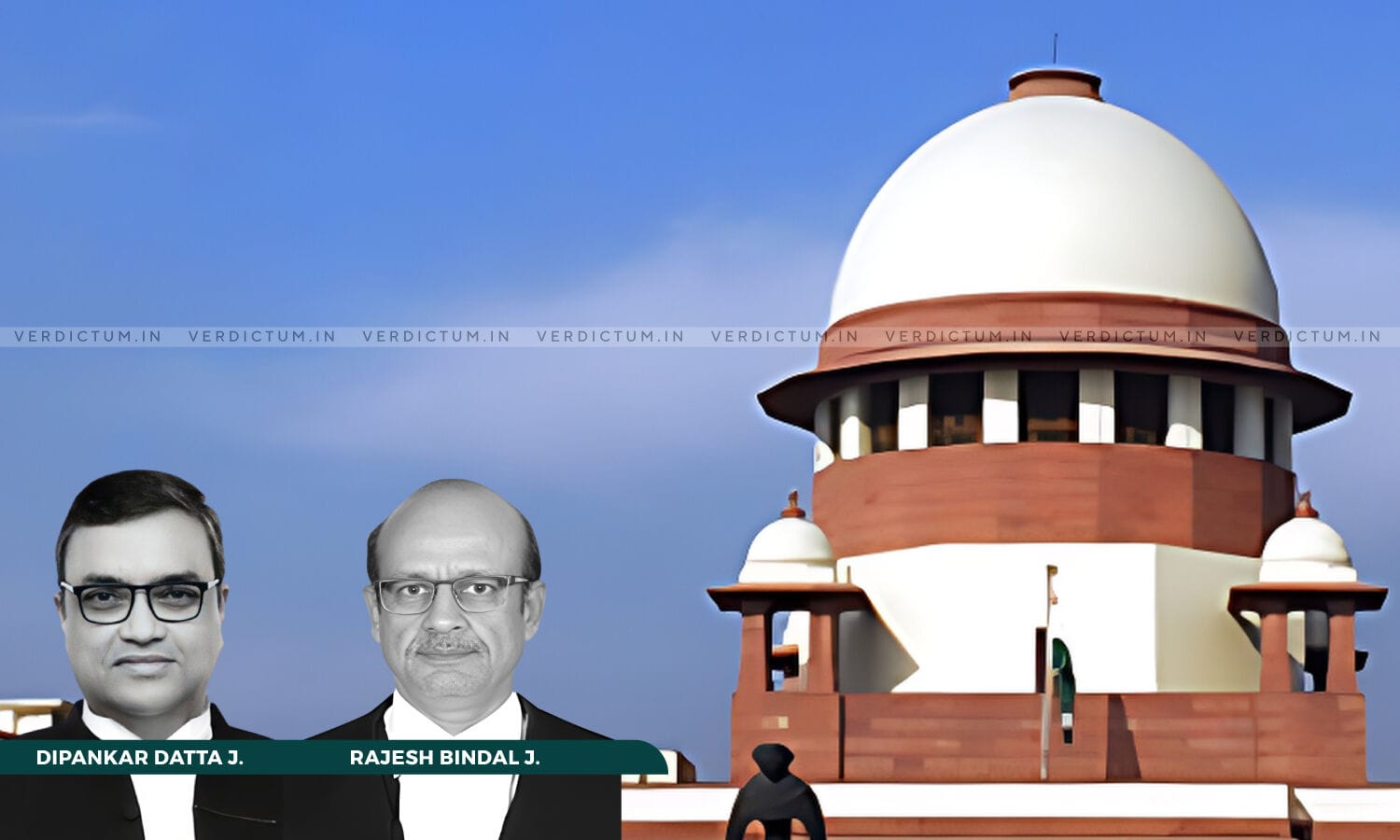
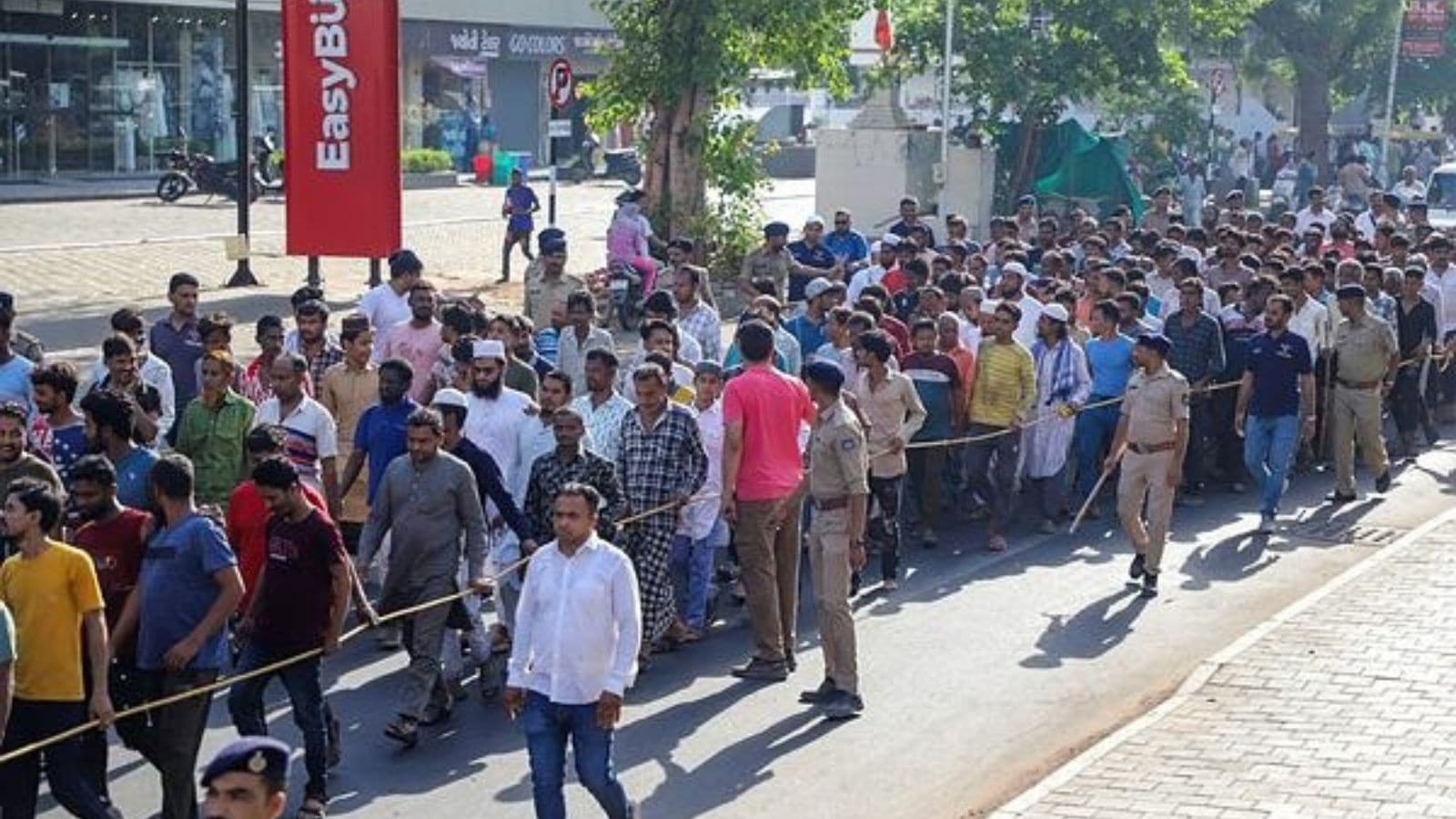
Supreme Court to Decide Fate of Waqf Amendment Provisions

The Waqf (Amendment) Bill, 2024, has set off a multifaceted debate at the confluence of law, religion, and administration. While the government’s intention is to increase transparency and efficiency, the suggested modifications have caused widespread concern among Muslim organizations and legal professionals regarding autonomy and minority rights. While the Supreme Court weighs the provisions of the bill, its judgment will not just decide the destiny of waqf administration in India but will also establish a pivotal precedent in the state’s relationship with religious institutions.

Current Legal Update

Free Trade and Zero Tariff Policies: Breaking Down Benefits and Challenges for Global Trade

Free trade and zero tariff policies have the promise of higher economic efficiency, higher innovation, and increased global cooperation. They allow nations to take advantage of their comparative strengths and provide customers with access to a greater variety of goods at competitive prices. The advantages come with disadvantages, which need to be managed prudently. Local industries could suffer from stiff competition, and governments need to identify alternative sources of revenue as tariffs are lifted. Moreover, problems like environmental degradation, social disparity, and dumping pose great challenges.

Current Legal Update

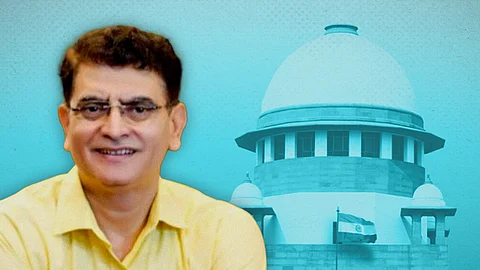
Top Landmark Rulings by Justice Arun Palli : New Chief Justice of Jammu & Kashmir and Ladakh High Court

Justice Arun Palli’s career in the judiciary is an expression of a passionate commitment to enforcing the rule of law, safeguarding fundamental rights, and delivering justice across fields. His historic decisions have not only settled specific cases but have also established precedents which continue to shape Indian jurisprudence. Now, as he takes charge as Chief Justice of the High Court of Jammu & Kashmir and Ladakh, his judicious legacy of judgments will certainly play a role in further shaping the legal landscape of the union territory. 

Current Legal Update

Linking Delhi Heatwaves to Article 21: Protecting the Constitutional Right to Life Amid Climate Crisis

The heightening heatwaves in Delhi drive home the urgency to tackle climate change as an issue of human rights. The right to life, as under Article 21 of the Indian Constitution, includes the right to a clean and stable environment. The judiciary acknowledging this right vis-a-vis the negative impacts of climate change is a responsibility placed on the state to take viable steps to abate these consequences. This involves setting up detailed heat action plans, encouraging sustainable city planning, maintaining access to primary resources such as water, and safeguarding at-risk populations. Ensuring adherence to these roles is essential for the protection of Delhi’s citizen constitutional rights from the intensifying climate crisis.

Current Legal Update

IAF Akash Ganga Instructor’s Death in Agra: Legal Implications and Liability Under BNS 2023 Explored

The tragic death of the Akash Ganga instructor in Agra brings to the forefront critical considerations regarding legal liability and protections under the BNS 2023. While the law offers specific safeguards to armed forces personnel acting in good faith, it also highlights the imperative for stringent safety protocols and accountability within military operations. A balanced approach that respects legal immunities while prioritizing the safety and well-being of service members is essential in addressing the complexities inherent in military training activities.

Current Legal Update

Kunal Kamra vs. BookMyShow: How Freedom of Speech and Expression Faces Censorship in India

The confrontation between Kunal Kamra and BookMyShow has placed the topic of free speech and censorship under sharp focus in India. This case brings out the fine balance that needs to be struck between safeguarding individual rights and responding to the power of strong corporate houses. The Indian Constitution promises freedom of speech and expression, but the realities of a contemporary digital environment have created new complexities. While the debate rages on, it is evident that there is an urgent necessity to re-examine and make more specific the rules that frame public discourse. The debates that this case will generate can potentially result in positive reforms that protect free expression but prevent private business from crossing the line. In a society that espouses diversity of ideas and open debate, there is a need to develop solutions that uphold constitutional rights and facilitate a rich, inclusive public discourse. The future of free speech in India will be determined by the capacity of all parties to have constructive debate and collaborate to safeguard the fundamental principles that form the basis of a democratic society.

Current Legal Update

Legal Hurdles for Startups in India: Navigating GST, Trademark, and Patent Laws

Legal challenges are a necessary part of the startup process in India. From GST compliance complexities to the intricate process of obtaining trademarks and patents, new companies are confronted with numerous challenges on the way to becoming successful. The legal requirements though are not obstacles but are instead integral parts of a strong business structure that protects innovations and promotes trust among consumers and investors. By knowing the legal landscape, getting professional guidance, and using technology, startups are able to overcome these challenges successfully. A proactive legal compliance strategy can turn future challenges into chances for growth and differentiation. With the Indian startup ecosystem still evolving, the ability to balance innovation with legal accountability will continue to be a determining factor in achieving long-term success.

Current Legal Update

Language Row in India: What the Constitution of India Says About Linguistic Diversity and Rights

The Indian Constitution is a manifestation of the nation’s zeal for language diversity and cultural rights protection. Its provisions have established the basis for an inclusive society that respects multiple languages and attempts to ensure inclusive growth. The language controversy in India, however, points out the consistent problem and controversy involved in attempting to match national integration with regional identity. Controversies regarding official language policies mirror deep-seated tensions that continue to develop with shifting social and political forces.

Current Legal Update

List of AI Legal Tools For Drafting and Research for Advocates in India

The advent of AI legal tools for research and drafting is a major milestone in the development of the legal profession in India. These tools are changing the way advocates work, offering increased efficiency, improved accuracy, and better access to vast amounts of legal information. While challenges such as data availability, resistance to change, and privacy concerns still exist, the overall trend indicates that AI will play an increasingly important role in the future of legal practice. As more law firms embrace these technologies and legal education includes digital competence, lawyers will be well-positioned to meet the needs of contemporary legal practice. The path to a more technology-influenced legal career is already under way, and the effects of AI legal tools are already having a positive impact on the quality and speed of legal services in India.

Current Legal Update

Hyderabad Forest Clearance: How It Challenges India’s Environmental Laws and Biodiversity Protection

The Hyderabad forest clearance case illustrates a major challenge confronting India in the present day. Although the necessity for development and economic growth cannot be disputed, the process of clearing forests for such endeavors has far-reaching consequences for environmental legislation and biodiversity conservation. The disparity in enforcing environmental laws, coupled with urbanization and industrialization pressures, provides a situation where the natural environment is under threat. The high level of biodiversity in the area, essential for ensuring ecological balance, is threatened by indiscriminate forest destruction. Local people experience both social and environmental hardships due to such activities. In the future, it is critical that India reassesses its method of forest clearance so that environmental impact assessments are robust, transparent, and take into account local perspectives. Only by having a balanced strategy that honors the requirement for development and the necessity to conserve natural resources can Hyderabad and other parts of India achieve a sustainable future.