Kangana Ranaut Files Petition In Delhi High Court Regarding Personality Rights
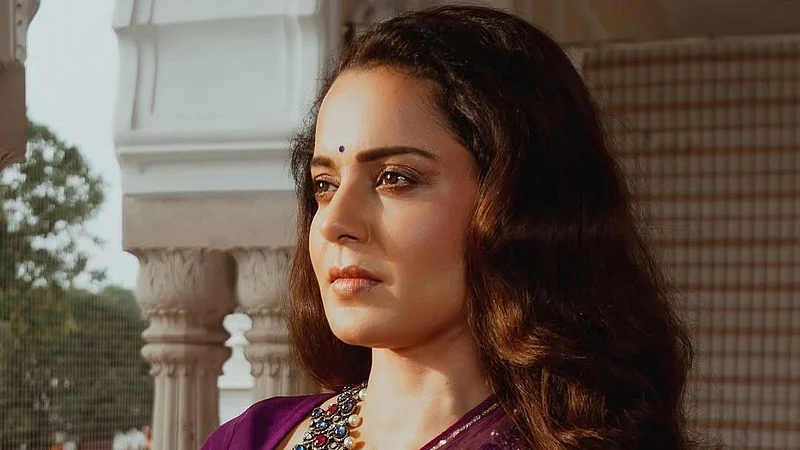
Kangana Ranaut, BJP MP and actor has filed a petition in Delhi High Court seeking protection of her “right to privacy and publicity” against alleged online impersonation and content. In her plea, Kangana complained that her name, image, and other aspects of her personality have been used, in India and abroad, without her permission.
The court has directed notice to be served on the defendants and summons to be issued to defendioners and notice on application of Ranaut seeking interim protection. The court is scheduled to pass the interim order of the case. Part of the allegedly offending content was also taken off after copies of the law were being served to some of the defendioners.
During the hearing, Ranaut’s lawyers clarified that they weren’t asking for the removal of every single meme or satirical reference to the actor and politician, but what they wanted at this moment was that obscene and purportedly phony content be taken down.
What Is Personality Rights In Indian Law?
Currently, there is no one entire statute in India specifically called a law of personality rights. Instead, Indian courts have created a personality protection through constitutional rights, common law and various statutory provisions.
In most cases, personality rights protect individuals against the use of certain of their unique characteristics by others without their consent. In the case of celebrities, the commercial element is often an important part of these rights as the individual’s name, image, voice, likeness or other identifying feature of his or her identity may have value for commercial purposes.
In past, the Delhi high court had given wide range of protection to celebrity’s right. Several elements of the personality like name, image, persona, voice, costume, special features, character and unique expressions were protected in the case of Anil Kapoor.
Can AI Generated Content Violate Personality Rights?
The Kangana Ranaut case is being filed at a time when courts are hearing a greater number of cases relating to AI, deepfakes, voice cloning, and digitally altered images.
AI instruments may enable the generation of images, videos or sound recordings that seem to feature an authentic individual saying or doing something that they have not. If this material is pornographic, damaging or posed as authentic, this may raise a host of reputation, privacy, identity and personality rights issues.
The legal issue could escalate if the content is created for commercial purposes. For example, a celebrity face or fake AI voice in an advertisement may imply endorsement, i.e., the celebrity’s approval of a product when there has been no authorisation. This can lead to issues over unauthorised commercial use and false endorsement.
Does Personality Rights Mean Banning Memes?
The problem lies in the due process issues involved. The mere fact that a person has attained fame does not mean that they have become public for the purpose of losing those interests in reputation or commercial exploitation. Neither does it mean that they have an unfettered right to be left alone.
The Constitutional Guarantee Freedom of Speech and Expression Article 19(1)(a) Provides protection to freedom of speech and expression. So political speech, criticism and satire may be protected within the reasonable restrictions of Article 19(2).
In personality rights litigation the line between real criticism or satire and abuse may thus be relevant. If an image shows the face of a star it does not necessarily mean that a publication of it is illegal. The context, the purpose, the amount of use and the fact that it establishes a false commercial link, can all be relevant.
This is evidenced in the way the proceedings have unfolded in Ranaut’s case, with her lawyer maintaining that she was not invoking the relief against the memes and the more satirical part of the matter.
In The Past, The Delhi High Court Has Defended Celebrities From Digital Exploitation
The Delhi High Court has increasingly become a forum to settle personality rights disputes of celebrities and other public figures. Former Prime Minister Indira Gandhi and actor Amitabh Bachchan also obtained legal protection against the use of their name, voice, image and face.
The Court has also safeguarded the Anil Kapoor’s personality from any unauthorised use. Proceedings similar to these have been filed by other celebrities like Rajinikanth, Jackie Shroff, Arijit Singh and Sonu Nigam.
In recent years, courts have seen an increasing number of cases which deal with AI-produced material. This issue is distinct from the problem with unauthorised advertising, as AI could recreate an individual’s likeness on a wider and more rapid basis.
Similarly, this has raised issues as to whether the same should also apply to anonymous persons who may keep producing the same. The Delhi High Court has adopted John Doe style orders in the past in personality rights litigation and offers redress against unknown infringers if a case warrants so.
The Issue of Law Raised for the Court’s Consideration
The Kangana case will involve the Court balancing two conflicting interests: The right of an individual to live out their personality, reputation, identity without unauthorised exploitation; and The constitutionally important right of speech, criticism, satire, and free expression, especially in cases where the person concerned is a sitting political office holder.
The existence of allegedly obscene and AI generated material at stake in the case will therefore have wider implications than for the parties alone. It might also contribute to the increasingly thick body of Indian case law on artificial intelligence and the impersonation of real persons.
So far, the Delhi High Court has summoned and noticed the interim application. The proceedings may not be deemed final and conclusive that all the content and material which has been challenged and referred to by Ranaut as unlawful is so. The Court shall have to look into and upon the material, against the style of use3d, alleged4 to be misused and otherwise available to the defendants under the law in between.