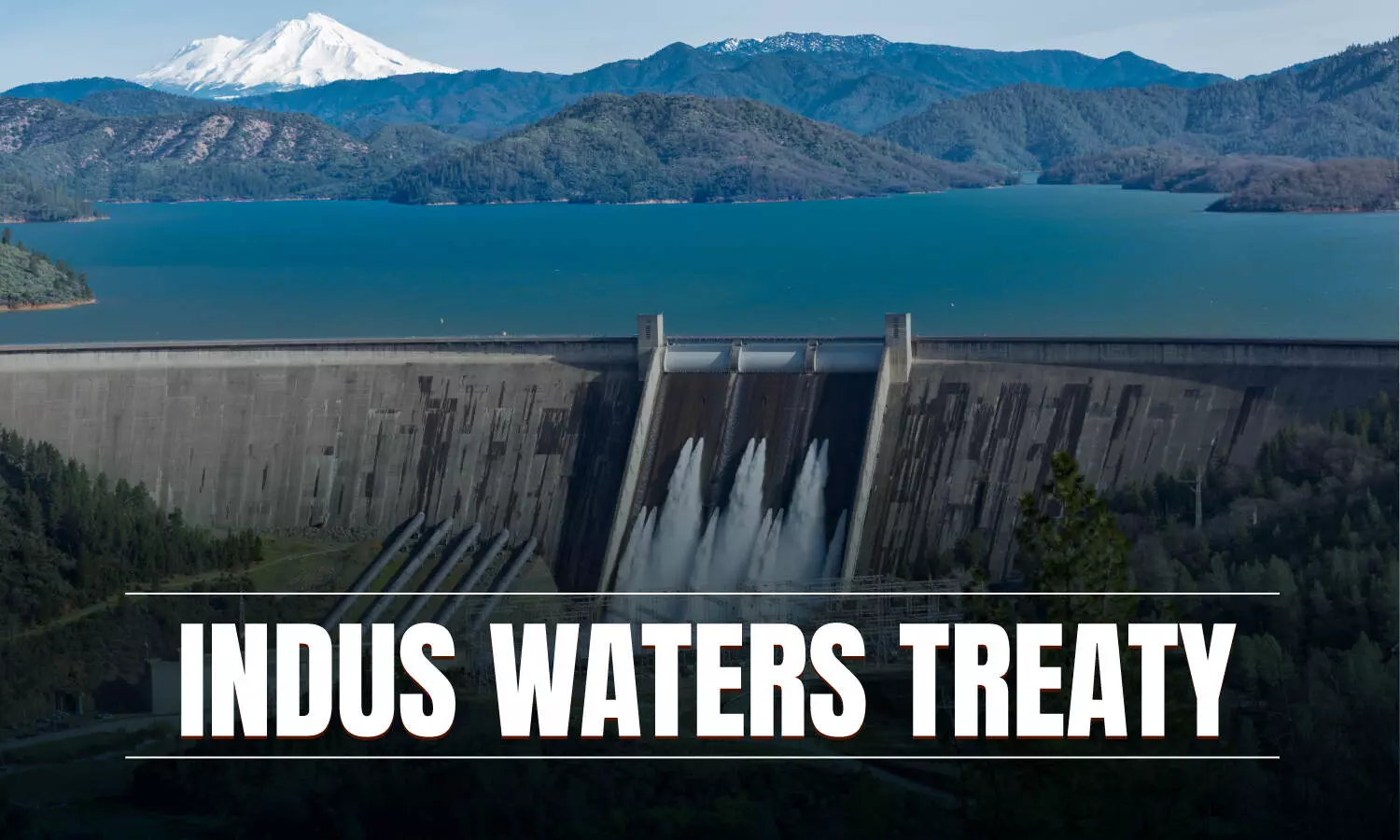
India’s decision to suspend the Indus Waters Treaty raises complex questions under international law. By invoking a security rationale, New Delhi effectively halted agreed water flows and data sharing with Pakistan. Under the Vienna Convention’s Article 62, unilateral suspension for a “fundamental change of circumstances” is narrowly permitted, yet terrorism concerns lie outside a water‐sharing pact’s core. международное право also allows proportionate countermeasures for wrongful acts, but they must be reversible and target restoration of compliance. India’s move risks breaching binding treaty obligations, exposing it to legal claims for reparations and undermining a model of transboundary water cooperation. The dispute will test the interplay between security imperatives, state responsibility, and treaty stability in South Asia.
India’s decision to suspend the Indus Waters Treaty raises complex questions under international law. By invoking a security rationale, New Delhi effectively halted agreed water flows and data sharing with Pakistan. Under the Vienna Convention’s Article 62, unilateral suspension for a “fundamental change of circumstances” is narrowly permitted, yet terrorism concerns lie outside a water‐sharing pact’s core. международное право also allows proportionate countermeasures for wrongful acts, but they must be reversible and target restoration of compliance. India’s move risks breaching binding treaty obligations, exposing it to legal claims for reparations and undermining a model of transboundary water cooperation. The dispute will test the interplay between security imperatives, state responsibility, and treaty stability in South Asia.
India’s decision to suspend the Indus Waters Treaty raises complex questions under international law. By invoking a security rationale, New Delhi effectively halted agreed water flows and data sharing with Pakistan. Under the Vienna Convention’s Article 62, unilateral suspension for a “fundamental change of circumstances” is narrowly permitted, yet terrorism concerns lie outside a water‐sharing pact’s core. международное право also allows proportionate countermeasures for wrongful acts, but they must be reversible and target restoration of compliance. India’s move risks breaching binding treaty obligations, exposing it to legal claims for reparations and undermining a model of transboundary water cooperation. The dispute will test the interplay between security imperatives, state responsibility, and treaty stability in South Asia.