Supreme Court

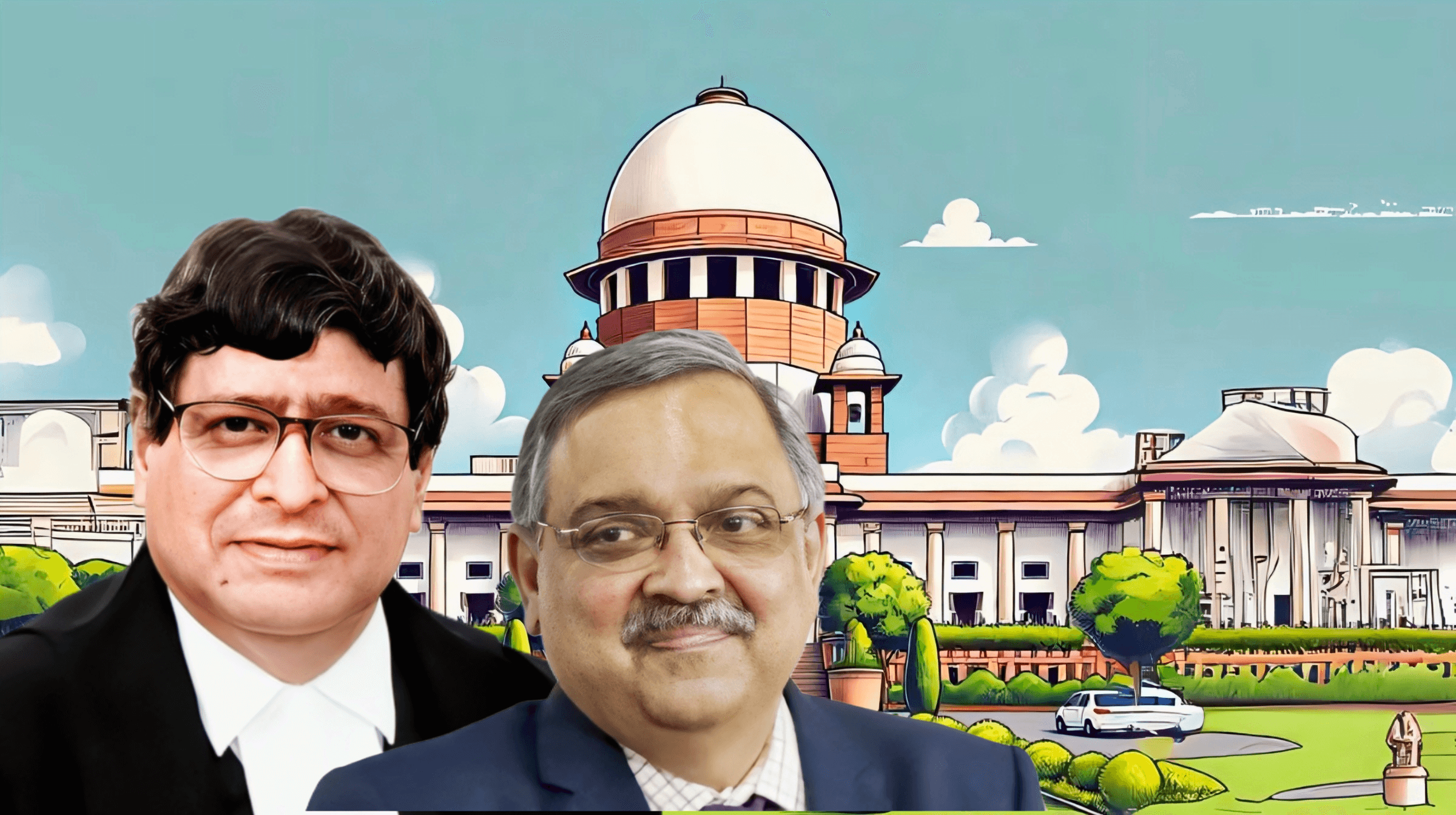
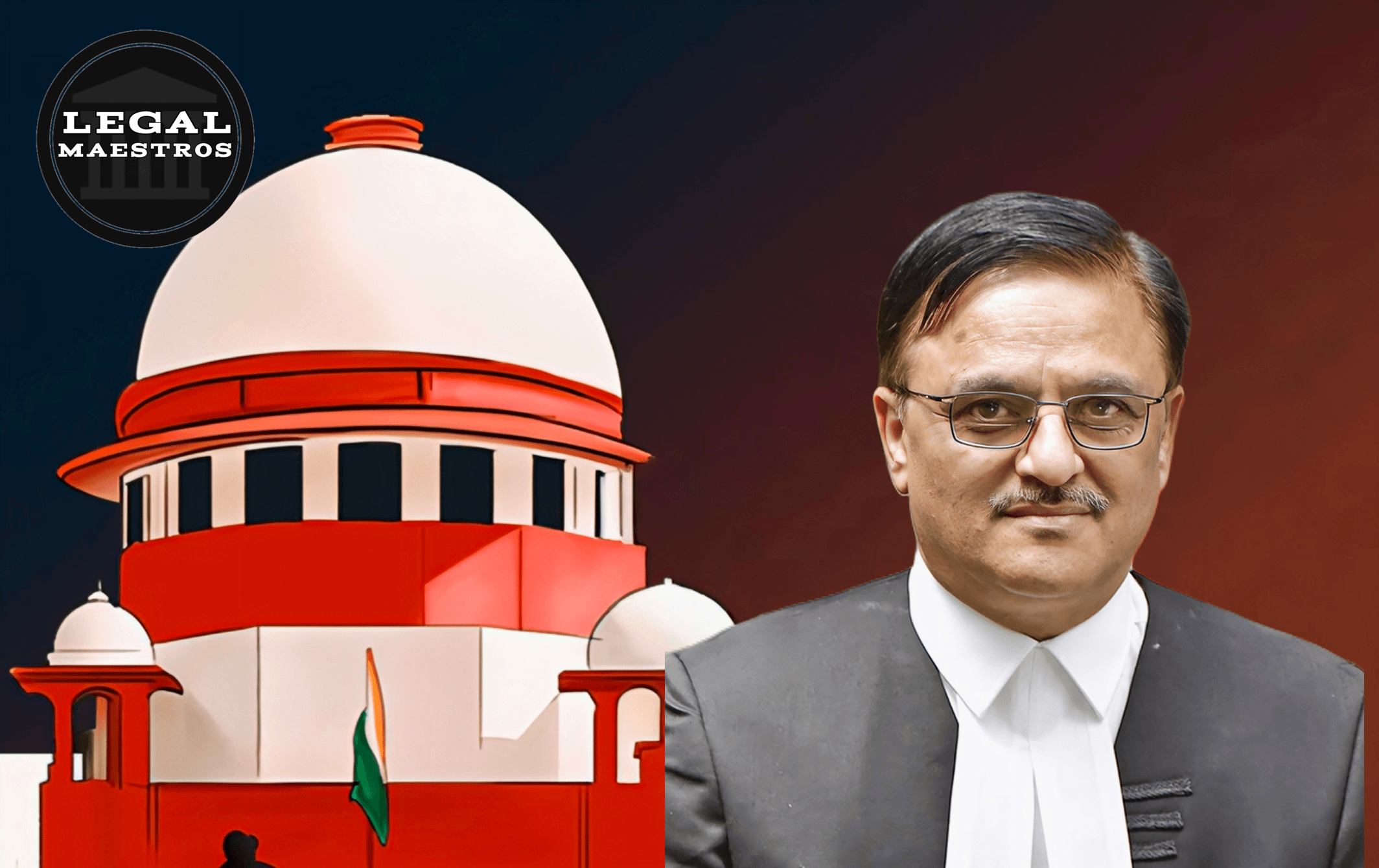
Supreme Court Affirms Fair Trial Over Emotion in Burn Death Case – Justice Abhay S. Oka

In Aejaz Ahmad Sheikh v., the Supreme Court held that, The case State of Uttar Pradesh was a case on the basis of which it was held that failure of putting the vital prosecution evidence to the accused u/s 313 CrPC resulted in prejudice and trial invalidated, and as a result, the acquittal was upheld on the basis of serious allegations like multiple murders.
Supreme Court

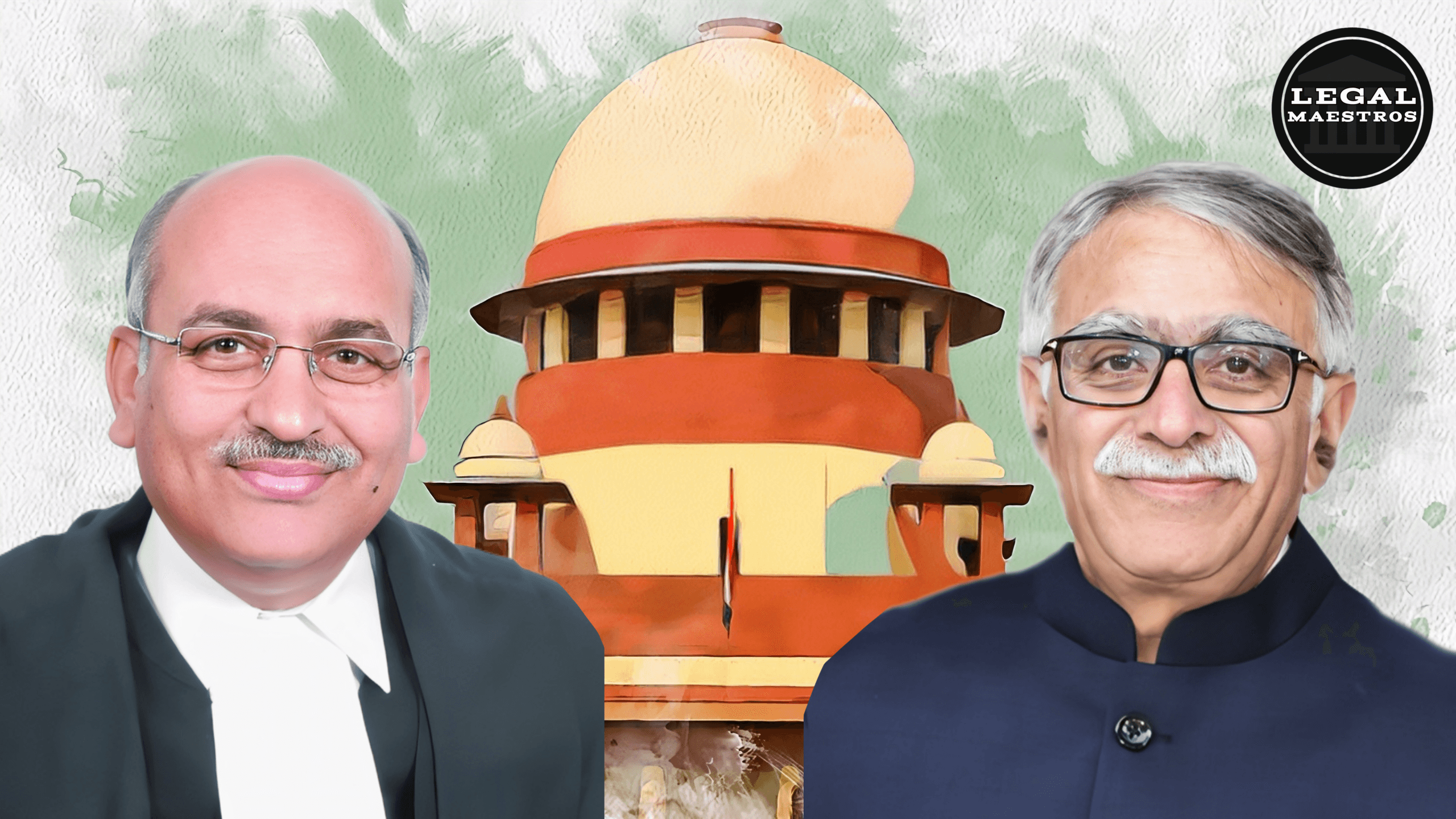
Acquittal Reinstated in Cheque Dishonour Case: Justices Sanjay Karol and Pankaj Mithal Clarify Presumptions under the Negotiable Instruments Act

InN. Vijay Kumar v. The Supreme Court in Vishwanath Rao N. reinstated the acquittal of the alleged perpetrator in a cheque dishonour trial and set the benchmarks and boundaries of the rebuttable presumptions against the Negotiable Instruments Act and questioned the burden of proof of the parties concerning evidence.

Supreme Court

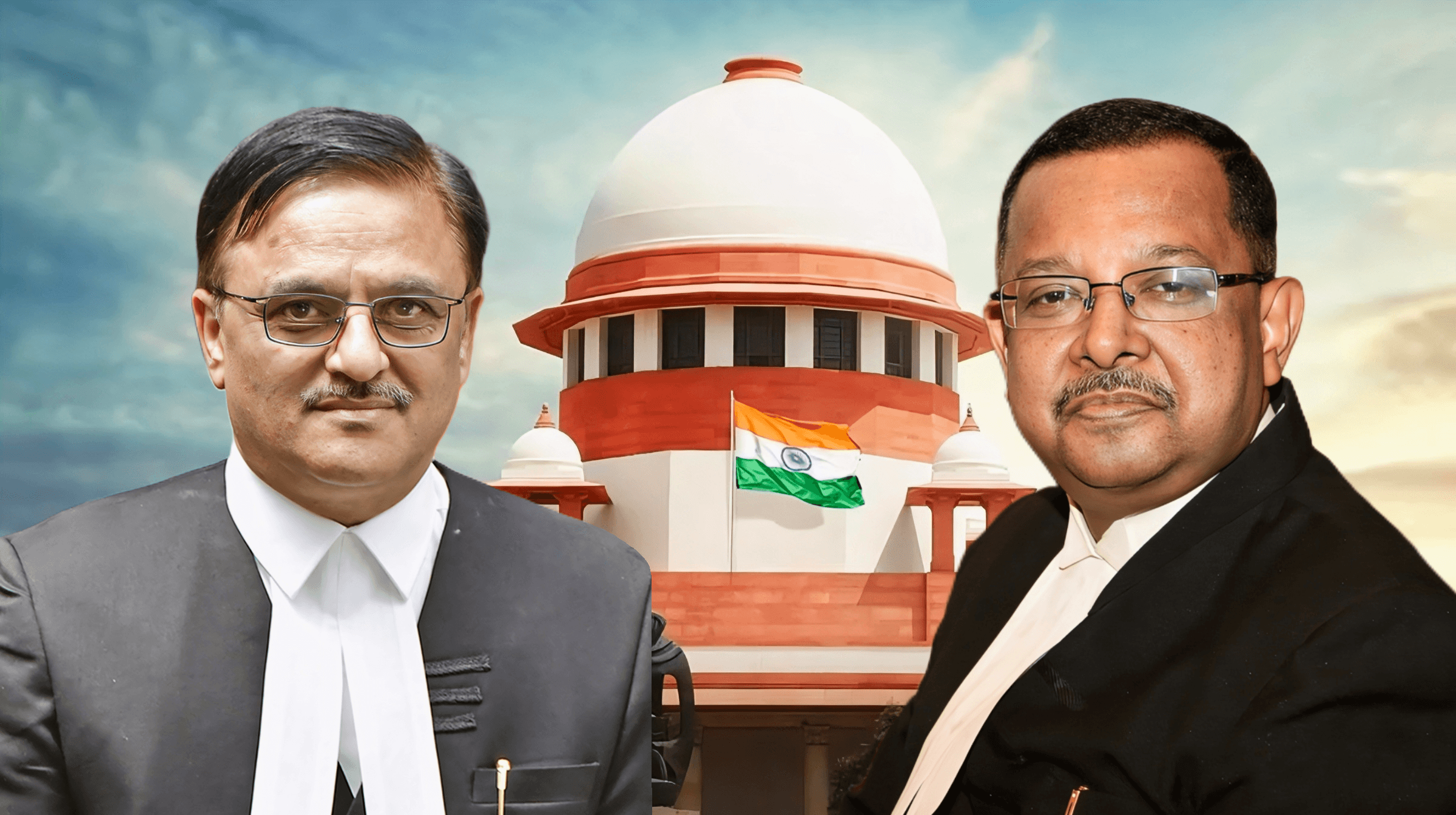
Supreme Court Clears Name of Woman Falsely Accused in Ganja Case – Judgement by Justice Abhay S Oka and Ujjal Bhuyan

On April 16, 2025, the Supreme Court made a very important decision that cleared K. Shikha Barman of all charges. The court found that there were serious mistakes in the way the case was handled and that the wrong person had been identified under the NDPS Act. The Court stressed that the prosecution did not show the defendant’s identity beyond a reasonable doubt.

Current Legal Update

Supreme Court Acquits Appellants in Corruption Case After 40 Years Due to Procedural Lapse and Juvenility

In a landmark ruling, the Supreme Court of India acquitted appellants in a corruption case pending for over 40 years, citing procedural lapses and the appellants’ juvenility at the time of the alleged offense. The Court found the prosecution failed to prove the demand and acceptance of bribes beyond reasonable doubt, compounded by flawed investigative procedures. Additionally, the appellants’ claim of being juveniles under the Juvenile Justice Act was upheld, rendering their convictions unsustainable. This decision underscores the importance of procedural integrity and juvenile protections in corruption trials, ensuring justice aligns with legal standards.