Current Legal Update

Kunal Kamra vs. BookMyShow: How Freedom of Speech and Expression Faces Censorship in India

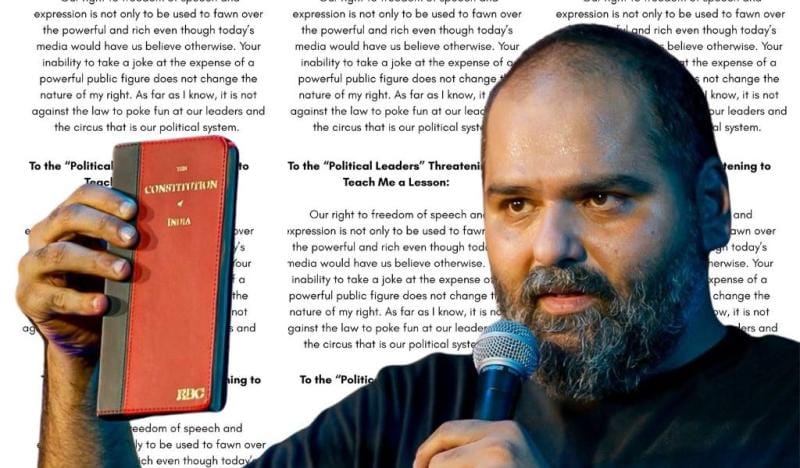
The confrontation between Kunal Kamra and BookMyShow has placed the topic of free speech and censorship under sharp focus in India. This case brings out the fine balance that needs to be struck between safeguarding individual rights and responding to the power of strong corporate houses. The Indian Constitution promises freedom of speech and expression, but the realities of a contemporary digital environment have created new complexities. While the debate rages on, it is evident that there is an urgent necessity to re-examine and make more specific the rules that frame public discourse. The debates that this case will generate can potentially result in positive reforms that protect free expression but prevent private business from crossing the line. In a society that espouses diversity of ideas and open debate, there is a need to develop solutions that uphold constitutional rights and facilitate a rich, inclusive public discourse. The future of free speech in India will be determined by the capacity of all parties to have constructive debate and collaborate to safeguard the fundamental principles that form the basis of a democratic society.
Current Legal Update

Legal Hurdles for Startups in India: Navigating GST, Trademark, and Patent Laws

Legal challenges are a necessary part of the startup process in India. From GST compliance complexities to the intricate process of obtaining trademarks and patents, new companies are confronted with numerous challenges on the way to becoming successful. The legal requirements though are not obstacles but are instead integral parts of a strong business structure that protects innovations and promotes trust among consumers and investors. By knowing the legal landscape, getting professional guidance, and using technology, startups are able to overcome these challenges successfully. A proactive legal compliance strategy can turn future challenges into chances for growth and differentiation. With the Indian startup ecosystem still evolving, the ability to balance innovation with legal accountability will continue to be a determining factor in achieving long-term success.

Current Legal Update

Language Row in India: What the Constitution of India Says About Linguistic Diversity and Rights

The Indian Constitution is a manifestation of the nation’s zeal for language diversity and cultural rights protection. Its provisions have established the basis for an inclusive society that respects multiple languages and attempts to ensure inclusive growth. The language controversy in India, however, points out the consistent problem and controversy involved in attempting to match national integration with regional identity. Controversies regarding official language policies mirror deep-seated tensions that continue to develop with shifting social and political forces.

Current Legal Update

List of AI Legal Tools For Drafting and Research for Advocates in India

The advent of AI legal tools for research and drafting is a major milestone in the development of the legal profession in India. These tools are changing the way advocates work, offering increased efficiency, improved accuracy, and better access to vast amounts of legal information. While challenges such as data availability, resistance to change, and privacy concerns still exist, the overall trend indicates that AI will play an increasingly important role in the future of legal practice. As more law firms embrace these technologies and legal education includes digital competence, lawyers will be well-positioned to meet the needs of contemporary legal practice. The path to a more technology-influenced legal career is already under way, and the effects of AI legal tools are already having a positive impact on the quality and speed of legal services in India.

Current Legal Update

Hyderabad Forest Clearance: How It Challenges India’s Environmental Laws and Biodiversity Protection

The Hyderabad forest clearance case illustrates a major challenge confronting India in the present day. Although the necessity for development and economic growth cannot be disputed, the process of clearing forests for such endeavors has far-reaching consequences for environmental legislation and biodiversity conservation. The disparity in enforcing environmental laws, coupled with urbanization and industrialization pressures, provides a situation where the natural environment is under threat. The high level of biodiversity in the area, essential for ensuring ecological balance, is threatened by indiscriminate forest destruction. Local people experience both social and environmental hardships due to such activities. In the future, it is critical that India reassesses its method of forest clearance so that environmental impact assessments are robust, transparent, and take into account local perspectives. Only by having a balanced strategy that honors the requirement for development and the necessity to conserve natural resources can Hyderabad and other parts of India achieve a sustainable future.

Current Legal Update

Examining the Constitutionality of Muslim Reservation in Karnataka?

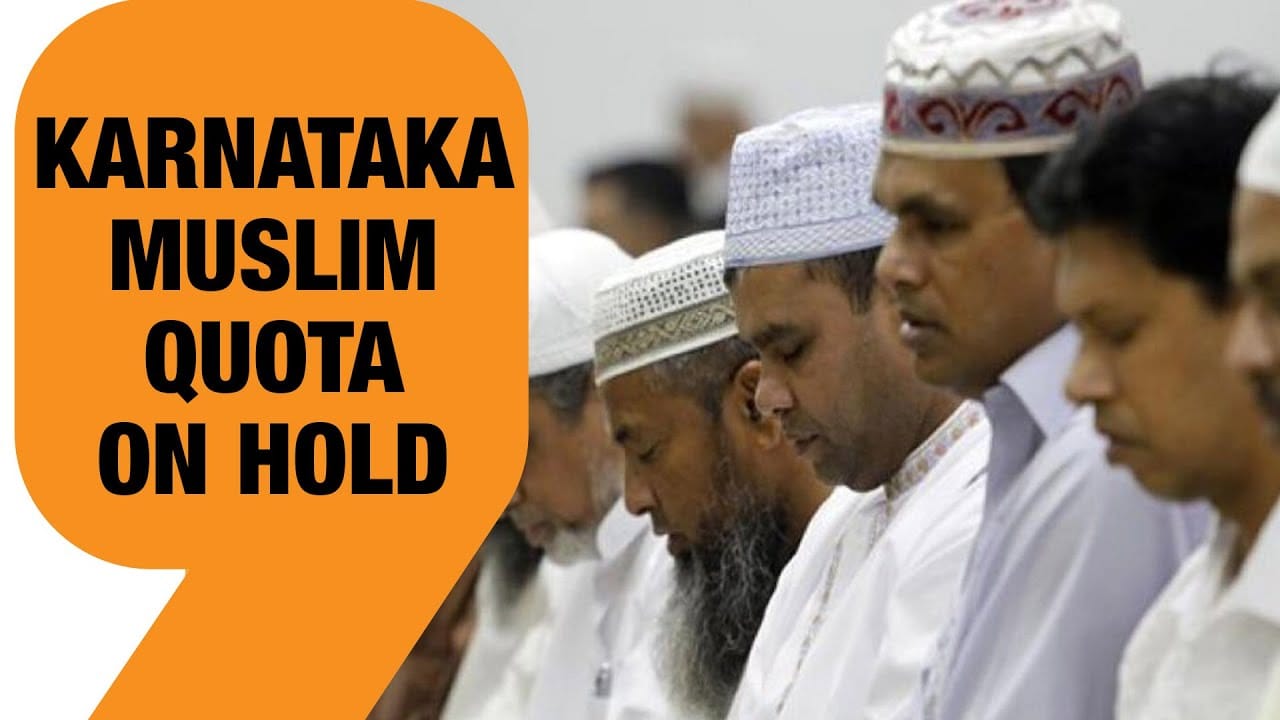
The problem of Muslim reservation in Karnataka continues to be a complicated and nuanced issue. While the reservation policy is justified as a need to empower an historically disadvantaged group still suffering socio-economic disadvantages, critics point out that reserving positions on a purely religious basis goes against the constitutional principle of equality and will splinter society on communal lines.

Current Legal Update

Can the Bar Council of India Inspect Law Colleges?

In summary, whether the Bar Council of India can inspect law colleges is based on its statutory obligation to regulate legal education and maintain professional standards. The law gives the BCI some powers to ensure that law colleges comply with set standards, and inspections are one of the ways to confirm compliance. Supporters contend that such inspections are necessary to uphold high standards of legal education and ensure that graduates are adequately equipped to join the legal profession. They are of the view that periodic monitoring by the BCI can assist in the detection of shortcomings and spur improvement, ultimately benefiting the legal system as a whole.

Current Legal Update

Assessing the Viability of NJAC’s Revival Post-Justice Yashwant Verma Controversy

Lastly, evaluating the feasibility of reviving the NJAC after the Justice Yashwant Verma fiasco entails a prudent appraisal of equilibrium between transparency, accountability, and the independence of the judiciary. The NJAC was initially designed to deal with the lack of transparency and alleged prejudices of the collegium system but succumbed to various challenges, including resistance from within the judicial establishment itself. The Justice Verma controversy has brought in an added layer of complexity by raising issues about the possibility of external influences and the requirement for a merit-based and just system of judicial appointments.

Current Legal Update

Can the Supreme Court Strike Down the Waqf Amendment Act? A Constitutional Analysis of Religious and Property Rights

To summarize, the issue of whether the Supreme Court can invalidate the Waqf Amendment Act is a complicated constitutional issue relating to how to balance the interests of the state against safeguarding religious and property rights. The Act was intended to modernize the management of waqf properties by instituting more transparency and accountability but has created issues around state overstepping and intrusion into religious affairs. The Supreme Court, with its judicial review power, is responsible for ensuring that the legislature’s enactment of any law is consistent with the Constitution. This implies that if the Waqf Amendment Act violates constitutional protections of religious freedom and equal property rights, the Court has the jurisdiction to strike down those provisions.

Current Legal Update

Legal Impact of South Korea’s Martial Law: Can Similar Measures Be Applied in India?

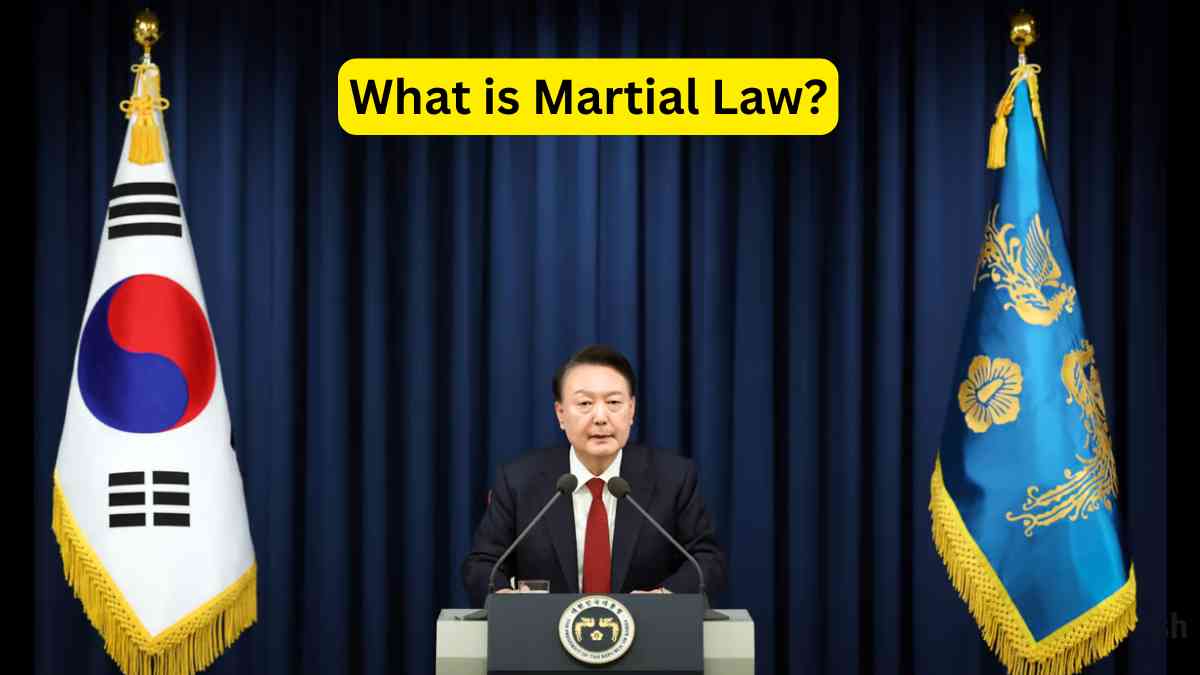
Overall, the legal legacy of martial law in South Korea provides a cautionary example of the dangers of concentrated power and the erosion of civil liberties in times of crisis. Although martial law in South Korea was invoked as an emergency measure, its long-term consequences for the legal and political systems remind us of the dangers of circumventing democratic institutions. India, having a robust constitutional structure and entrenched democratic institutions, is not likely to follow similar steps. India’s legal system, with a focus on judicial checks and protection of individual rights, offers a strong check on any possible misuse of power during emergencies. Though India has its own challenges to face, which sometimes necessitate unorthodox approaches, the experience of the two countries’ history and that of its own prevents the nation from losing sight of the need to preserve the sensitive balance between freedom and security. The experiences of both countries highlight the need to uphold democratic values, even at times of crisis, and provide lessons for guaranteeing that freedom suppressions at times of crisis are not permitted to turn out to be lasting features of government.