Current Legal Update

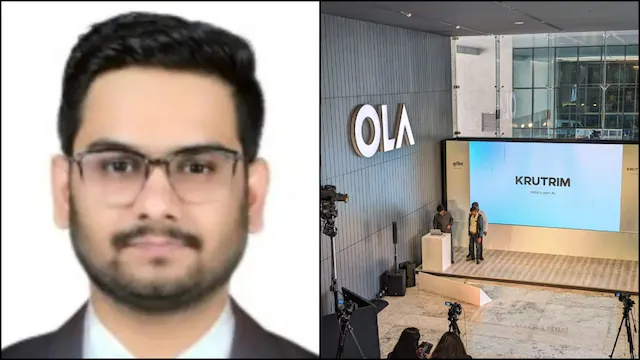
Toxic Work Culture Blamed for Ola Engineer’s Death: Examining the Gaps in India’s Labour Laws Protecting Tech Workers

In May 2025, a young Ola Krutrim engineer in Bengaluru took his life amid crushing workloads and a toxic environment. His death exposed how India’s tech sector often sidesteps labor laws, leaving skilled professionals without proper safeguards. Urgent reforms in legal protections and company culture are needed to prevent tragedies.
Current Legal Update

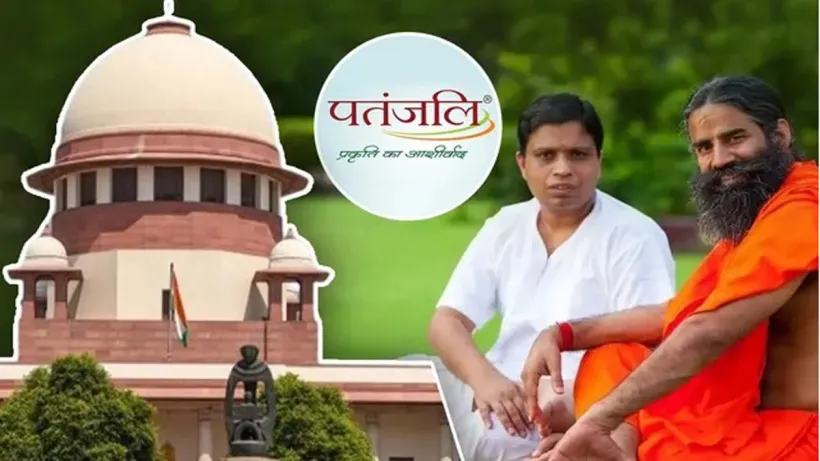
Section 27 of the Customs Act and the Doctrine of Unjust Enrichment Examined in Patanjali Foods Ltd. v. Union of India

In Patanjali Foods Ltd. v. Union of India, the Supreme Court held that encashment of a bank guarantee is not equivalent to payment of customs duty under Section 27. Therefore, the doctrine of unjust enrichment does not apply, and the government must refund amounts secured through such guarantees without demanding compliance with refund procedures.

Current Legal Update

Supreme Court Streamlines Multi-State FIRs: Ravinder Singh Sidhu Case and Principles on FIR Clubbing

The Supreme Court’s 2025 ruling in Ravinder Singh Sidhu vs. State of Punjab (2025 INSC 727) establishes principles for clubbing multi-state FIRs, enhancing judicial efficiency. Addressing multiple FIRs filed across states for related offenses, the Court emphasized consolidating cases to prevent procedural abuse and ensure fairness, as seen in Sidhu’s case involving Punjab and Haryana. The verdict aligns with Article 21’s right to a fair trial, streamlining investigations while safeguarding defendants’ rights. It sets a precedent for handling cross-jurisdictional disputes, reducing redundancy.

Current Legal Update

Equal Pensions for Equal Service: Supreme Court’s Clarification on High Court Judges’ Post-Retirement Benefits

The Supreme Court of India, in a landmark ruling on May 19, 2025, mandated equal pensions for all retired High Court judges under the ‘One Rank One Pension’ principle, regardless of their entry route or tenure. The decision eliminates disparities between permanent and additional judges, ensuring a uniform pension of ₹15 lakh annually for Chief Justices and ₹13.5 lakh for other judges. It upholds Article 14’s equality clause, reinforcing judicial independence by standardizing post-retirement benefits. The ruling also extends family pension rights, addressing long-standing inequities.

Current Legal Update

Citizenship Denied: Supreme Court’s Verdict on Rofiqul Hoque and the Burden of Proof under the Foreigners Act

The Supreme Court’s verdict on Rofiqul Hoque’s citizenship case clarifies the burden of proof under Section 9 of the Foreigners Act, 1946. The Court ruled that authorities cannot arbitrarily label individuals as foreigners without primary evidence, emphasizing natural justice and the principle of audi alteram partem. Hoque, initially declared a foreigner by Assam’s Foreigners Tribunal due to documentary discrepancies, had his citizenship restored. The decision critiques random suspicions and reinforces procedural fairness, impacting citizenship disputes amid Assam’s NRC exercise. It alleviates concerns over minor errors in documentation.

Current Legal Update

Flood Damage Under Consumer Law: A Supreme Court Clarification

This paper examines a recent U.S. Supreme Court ruling clarifying consumer rights in flood damage cases under consumer law. The decision addresses liability for property damage caused by state actions, emphasizing the Fifth Amendment’s Takings Clause and state law remedies. It enables affected consumers, like Texas landowners, to seek compensation for flood-related losses due to government infrastructure projects. The ruling highlights the balance between public projects and private property rights, offering a framework for future litigation. It underscores the importance of clear legal pathways for consumers seeking redress.

Current Legal Update

Supreme Court Upholds Conviction in Acid Attack Case, Reduces Sentence of Aged Accused on Health Grounds

The case started with a horrific acid attack on a Mathural, Uttar Pradesh, woman on June 8, 2014. Three accused—Hakim (accused number one), Umesh (accused number two), and Gyani (accused number three)—intercepted the victim returning home from a temple visit near a railway crossing. Driven by retribution over an earlier grievance, the three carried out a premeditated attack. Umesh threw acid on the victim while Hakim and Gyani held her, resulting in extreme damage including 90% loss of eyesight in one eye and permanent facial disfiguredness.

Current Legal Update

Justice B.R. Gavai’s Landmark Ruling on Equal Pension Rights for High Court Judges

The idea of equality in pensionary benefits for retired High Court judges was reiterated by the Supreme Court of India in a historic ruling that was originally penned by Chief Justice B.R. Gavai. This principle applies to retired judges regardless of their service background. When it comes to concerns concerning pensions, gratuities, and other terminal benefits, the Supreme Court ruled that all judges, regardless of whether they were promoted from the Bar or the District Judiciary, must be treated in the same manner. In addressing problems pertaining to discrimination, service breaks, and the applicability of the New Pension Scheme, the Court placed particular emphasis on the constitutional duty of equality that is found in Articles 14 and 16. By making this decision, the independence of the judiciary is strengthened, and the dignity of constitutional office is maintained.

Current Legal Update

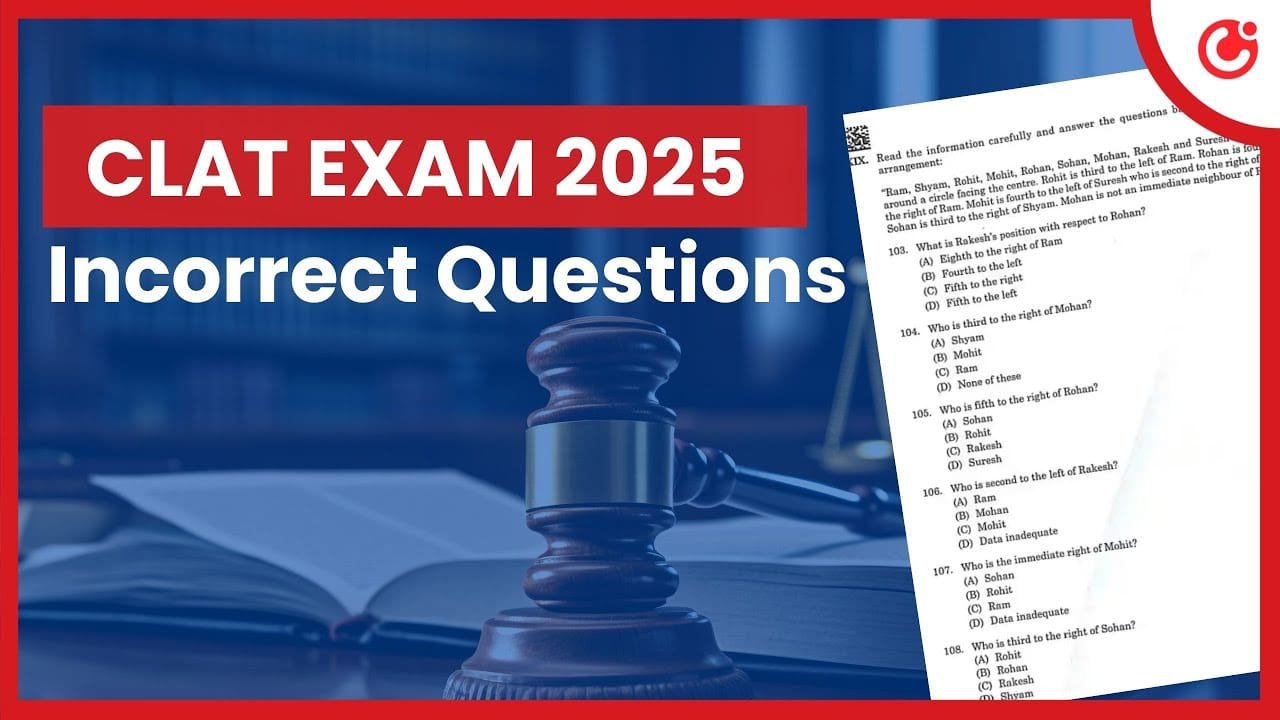
How CLAT UG 2025’s Flawed Logical Reasoning Section Sparked Nationwide Petitions

As soon as the CLAT results were announced, students discovered that several Logical Reasoning questions were flawed. The ambiguity of certain puzzles and the lack of clear premises led many to believe their scores were unfairly affected. Within hours, petitions began pouring into high courts in Delhi, Mumbai, Chennai, and other cities. Candidates demanded the removal of disputed questions, correction of answer keys, and reissuance of merit lists. The urgency of admission deadlines heightened the pressure on courts to act quickly. This immediate legal response underscored the high stakes of the exam and the depth of nationwide frustration.