Current Legal Update

Legal Battles and Political Interference in Indian Sports Federations: The Need for Governance Reforms

Legal complexities of Indian sport federations, frequently based on political interference, mismanagement, and power struggles within the organization, have severely crippled the development of sports across India. Failure in governance has resulted in fiscal losses, uncertainty for sportspersons, and reputational loss at the international stage. Judicial intervention, though beneficial in disentangling some situations, calls for long-term solutions based on structural reforms where transparency and professionalism stand above political agendas.

Current Legal Update

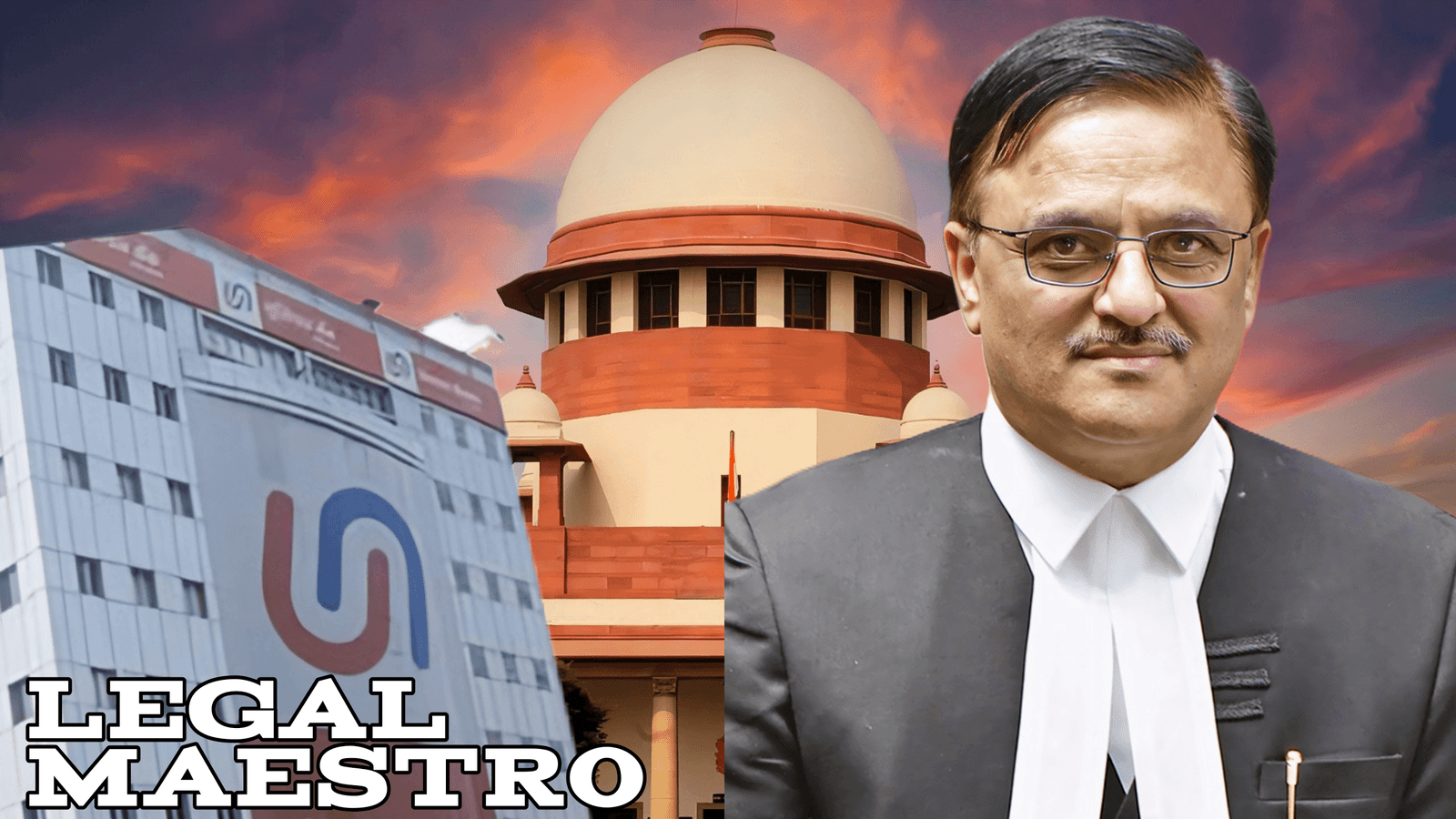
Justice B.R. Gavai and Supreme Court Delegation Visit Manipur to Enhance Relief and Legal Assistance

The tour of Justice B.R. Gavai and the Supreme Court delegation to Manipur was an important move in tackling the humanitarian and legal issues that have resulted from the long-standing ethnic strife in the state.

By directly interfacing with displaced groups, opening up legal and medical relief programs, and easing access to vital services, the judiciary expressed renewed commitment towards justice and relief.

While the road to lasting peace remains complex, such interventions serve as a beacon of hope for the affected populations, reinforcing faith in legal institutions and the nation’s collective ability to restore normalcy.

CRIMINAL LAW

Understanding Sections 9 and 10 of the Bhartiya Nyaya Sanhita, 2023

Sections 9 and 10 of the Bhartiya Nyaya Sanhita, 2023, provide that punishments should be just and proportionate. Section 9 avoids excessive punishment for offenses which are part of a single offense, so that an individual is punished for the composite offense and not for every component part. It also makes a distinction between offenses which are connected and offenses which are separate to provide fair sentencing. Section 10 offers relief against uncertainty so that an accused person is penalized for the lowest offense in situations of doubt. Such provisions secure justice by inhibiting harsh and unjust punishments, affirming that sentencing should be reasonable and well-balanced.

Law Notes

Section 73 & 74: Rule-Making Power and Repeal of Old Laws in Rajasthan Court Fees Act

Section 73 and 74 of the Rajasthan Court Fees and Suits Valuation Act, 1961, enact the authority of the State Government to enact rules and explain the effect of the repeal of previous laws. Section 73 makes sure that court fee stamps are regulated well, whereas Section 74 facilitates the transition from previous laws to the new Act. These enactments ensure legal stability and prevent cases from being unjustly influenced by law changes.

Law Notes

Cancellation of Stamps and Deduction on Refunds (Section 68 & 69)

This abstract examines Sections 68 and 69 of the Probate and Administration Act 1959 (Revised 1972), with a view to examining stamp cancellation and refund deductions in Malaysian probate actions. Section 68 demands that stamps employed for payment of court fees must be cancelled for non-reuse purposes, to maintain fiscal integrity. Section 69 allows deductions from refunds, i.e., administrative charges, when excess fees are refunded, weighing fairness against operating requirements. These measures enhance financial monitoring and procedural accountability in the administration of estates