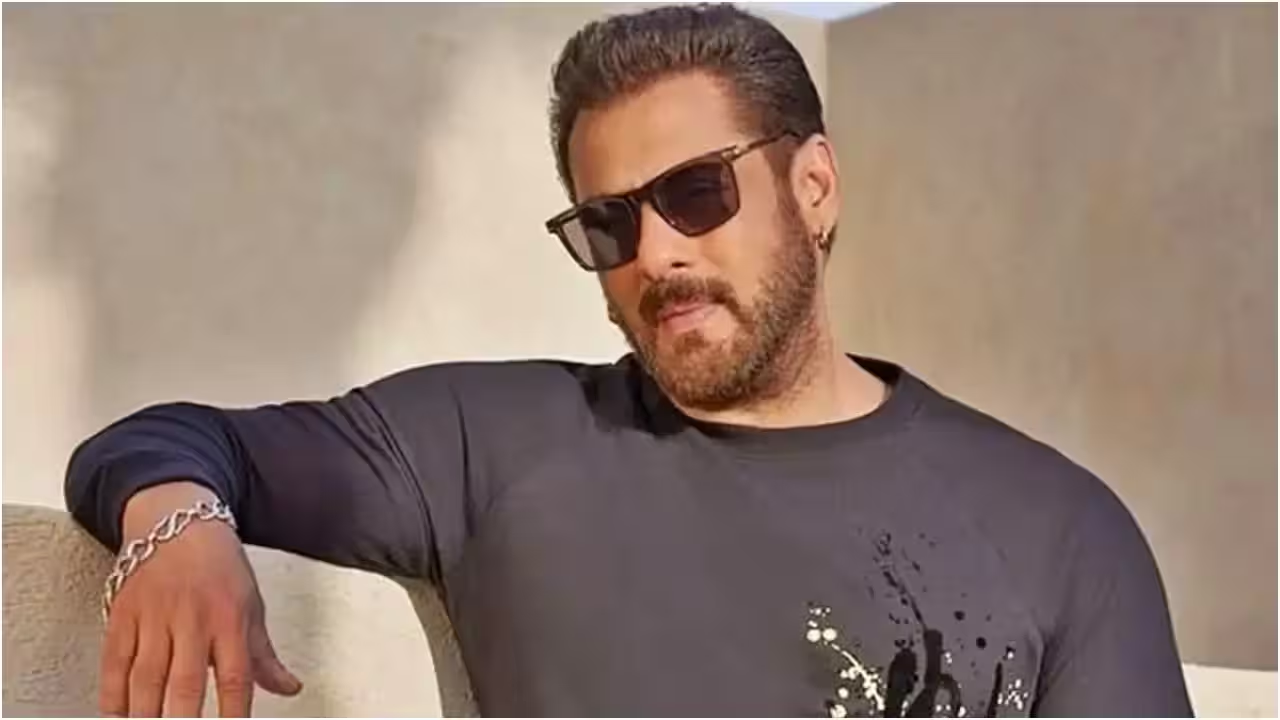
Bollywood star Salman Khan is involved in a legal battle over a movie based on his case which involved blackbuck poaching in 1998. The movie, named Kala Hiran: The Battle for Legacy, is currently in the Delhi High Court.
Khan has also protested the film and its promotion, saying that they are exploiting his name and are portraying the incidents in a way that may harm his image.
The film makers have denied that they’re making a biographical film about Salman Khan. They believe their story is about the black buck and the Bishnoi relation with wildlife protection.
The conflict has posed an interesting question before the Indian law. Is it possible to make a movie about a real crime without the consent of the person who was actually charged with the crime?
India Today
+1
What’s the Fuss over Kala Hiran?
Bharat S. Shrinate is the director of the film while Amit Jani is the producer. It is said to be based on the incidents of blackbuck poaching in Rajasthan in 1998.
Need Help With Your PhD or LLM Thesis?
Explore our thesis and dissertation writing support services for PhD and LLM students. Get subject-specific academic assistance for your research project.
Explore Our Services →The Khan’s legal team made an objection to the project in June 2026 and asked for banning it.
Khan’s attorneys say the promotional material references are enough to help viewers identify Khan, despite the producers’ assertion that it is not about his life.
The actor has also protested against rumours about his association with gangster Lawrence Bishnoi.
Producer Amit Jani has come out in defense of the project, claiming that it is based on events already recorded in public documents. He has been maintaining that the movie is not a biopic and it was about Wildlife safety and Bishnois community.
Live Law
+1
What went wrong in the original blackbuck case?
The criminal case can be traced back to October 1998, when Salman Khan and other actors were shooting for the movie Hum Saath Saath Hain in Jodhpur.
The two blackbucks were allegedly killed by them.
A court in Jodhpur on April 5, 2018, sent Salman Khan a total of five years jail under Wildlife Protection Act, 1972 for the Kankani blackbuck case.
In that case, other accused people such as Saif Ali Khan, Tabu, Sonali Bendre and Neelam was found not guilty.
Khan challenged his conviction and got bail. He is still waiting for the case to be appealed, so the trial court ruling is still subject to challenge.
Proceedings were adjourned in February 2026, when a judge of the Rajasthan High Court withdrew from the case, citing conflicts of interest.The court proceedings were adjourned in February 2026 when a judge of the Rajasthan High Court recused himself due to conflicts of interests in the case.
The Times of India
+1
What does Delhi High Court say about the Film?
The Delhi High Court ordered the removal of the teaser and some promotional content from the film in July 2026.
Justice Jyoti Singh noted on the first glance that it seems to be exploiting Salman Khan’s public nature without his knowledge or consent.
The court noted about the actor, his movies and the pending criminal trial.
It also brought to his attention potential reputation issues.
This was an interim order. It did not make any final determination on whether the entire movie was legally eligible.
At a hearing on 10th September 2026, the makers of the movie informed the court that the movie could not be released as it had not been certified by the Central Board of Film Certification.
Delhi High Court had asked Khan to respond to the application moved by producer Amit Jani for postponement of proceedings in the actor’s case on October 7. That application was submitted for further hearing to be held on December 16, 2026.
SCC Online®
+2
May a Filmmaker Make a Movie Without the Permissions of the Accused Person?
There is nothing in Indian law that mandates a filmmaker to get permission from everyone whose name is used in a criminal case before making a movie based on such a case.
Freedom of speech and expression is protected by Article 19(1)(a) of the Constitution. Films are also covered by this protection.
These can be based on publicly available facts, such as court judgments, newspaper reporting or documented historical events, and can be used by a filmmaker.
This freedom is not unlimited, however.
If a movie makes false claims as if they are true or relies on another person’s identity for an unauthorized commercial promotion or undermines another person’s legitimate rights, then the movie could be objectionable on legal grounds.
Much will be based on the content of the film and how the person is portrayed.
What are Personality Rights and why has Salman Khan raised them up?
Personality rights cover aspects of a person’s identity such as their name, image, likeness and other characteristics that are closely related to these elements.
For a recognizable actor, it could even be a familiar hairstyle or way of speaking or an accessory.
Salman Khan’s legal counsels say the promotional content is a facemask and mentions of the actor entice viewers.
The Delhi High Court took note of these claims while issuing the order for removal of the teaser.
It is not enough for a filmmaker to create a movie about a public figure to infringe on personality rights. The use of recognizable characteristics to imply a connection or endorsement by a celebrity can create a legal issue, however, for commercial purposes.
Legal News – The Indian Express
Can public court records be the basis for a film?
Court proceedings are normally public record, with the exception of provisions of the law.
The filmmaker can then review those records and create a script based on the events discussed at a criminal trial.
However there is a difference between an allegation and a proven fact.
The film should not falsely report disputed allegations as final judicial findings, for instance, if a crime has been charged, then the film should not falsely suggest that the allegations are the conclusion of judicial findings.
While Salman Khan has been convicted in Kankani blackbuck case, his appeal is pending in the trial court.
An appeal does not cancel out the conviction. Likewise, the legal proceedings haven’t concluded.
For a filmmaker who is confronted by these events, it is relevant to take the status of the proceedings into account and not to “blend” together the various criminal cases to get a “mixed” picture.